Japan's Parliament has voted to enshrine male-only succession for the imperial throne, a move that has sparked controversy and concern among experts. The decision, made by revising an Imperial House Law dating back to the 1800s, limits succession to men in the paternal line. This change is part of a centuries-old monarchy that has been a symbol of Japan's history and culture.
The revisions come as Japan's imperial family faces a dwindling number of eligible heirs. To address this issue, the new rules allow distant male relatives to be adopted into the imperial family to father future successors. However, strict rules remain in place limiting the throne to men with royal blood. The changes also allow princesses to retain their royal status after marrying commoners.
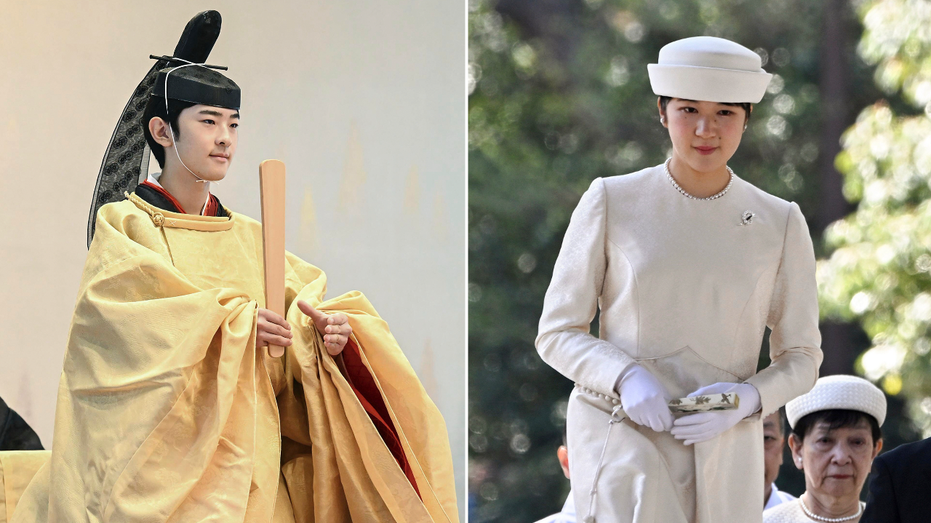
The new rules have been met with criticism from those who argue that they are discriminatory and will hasten the decline of Japan's imperial family. Many Japanese had been calling for Princess Aiko, Emperor Naruhito's 24-year-old daughter, to be allowed to succeed him, but under the current law, she is not eligible. The emperor's younger brother is next in line, followed by his 19-year-old nephew, Prince Hisahito, and then the emperor's 90-year-old uncle.
Proponents of the male-only succession argue that the male bloodline is the source of the emperor's authority and legitimacy. However, critics argue that this stance is based on outdated and discriminatory views. They point out that Japan has had eight empresses in its history, and that female eligibility for the throne was first eliminated in 1890.
Feminist and sociologist Chizuko Ueno has suggested that the new rules are ironic, given that Japan's first female prime minister was instrumental in ensuring male-only succession. Ueno argues that the new rules treat male royals as privileged and put female royals under pressure to produce male offspring. The debate highlights the challenges facing Japan's imperial family as it seeks to balance tradition with the needs of a modern society.
Japan's imperial family remains an important national symbol, similar to Britain's royal family. The controversy surrounding the male-only succession highlights the complexities of preserving tradition while promoting equality and inclusivity. As the imperial family continues to evolve, it remains to be seen how it will adapt to changing societal values and expectations.