Britain’s incoming prime minister used his first speech as Labour leader to condemn the economic model established in the 1980s and to promise greater public control of essential services, marking a clear shift to the left from the outgoing administration.
He argued that the 1980s saw political power centralized and economic power transferred to private companies, resulting in the surrender of control over housing, water, energy and transport and exposing citizens to higher costs.
The speech described four decades of neoliberal policy as harsh on working‑class and industrial communities, and framed the new leadership as the most significant political turning point in forty years.
He announced that the government would begin laying out its new path as early as next week, calling the change the most significant moment in politics for four decades.
Critics noted that while the address offered a clear ideological signal, it provided little detail on how the proposed reforms would be implemented, leaving observers uncertain about the concrete policy roadmap.
The leader indicated a move away from cautious economic positioning toward greater state ownership, expanded council and social housing, increased regional authority, and deeper state involvement in essential services.
He emphasized that Labour would no longer attempt to out‑green the Greens or out‑reform Reform, seeking a distinct policy direction that does not mimic either right‑ or far‑left parties.
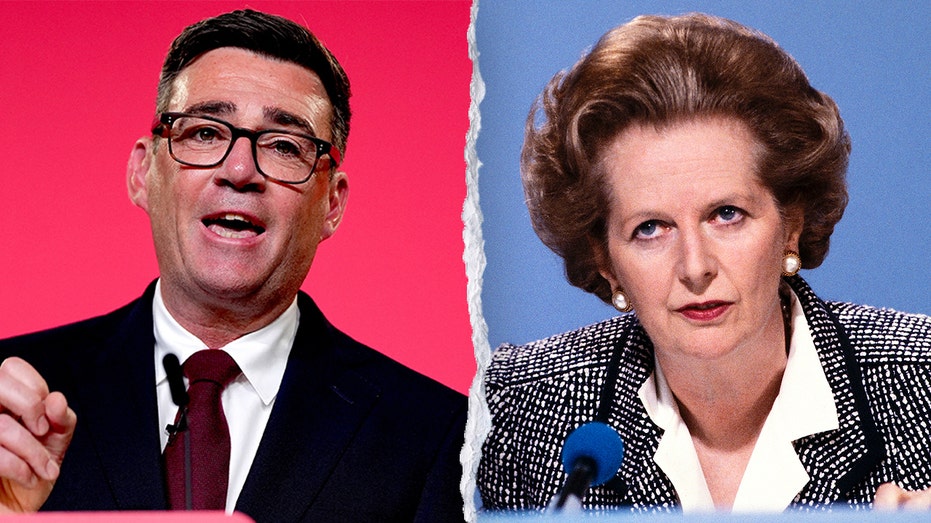
Although he did not name former prime minister Margaret Thatcher, his critique of her reforms was widely interpreted as an effort to revive the state‑dominated economic policies that preceded her tenure.
A think tank defended the 1980s reforms, highlighting reductions in income and corporate tax rates, a drop in inflation, fewer strike days, higher homeownership, a rise in individual shareholders, and a decline in national debt as positive outcomes of that era.
Another commentator described the economic arguments as ill‑informed, calling the demonization of past policies contradictory and unnecessary.
Despite the left‑leaning rhetoric, the new prime minister pledged to remain pro‑business while expanding public control of essential services, granting new powers to regional governments, and encouraging cooperation with private enterprises.
The ideological shift presents an immediate political gamble; the leader must unite competing factions within his party, reassure financial markets, and address challenges from opposition groups while governing without a fresh electoral mandate.
Analysts warned that a more left‑oriented agenda could strain relations with the United States, potentially affecting national security and the long‑standing alliance.
The incoming prime minister is expected to be sworn in on Monday by the monarch.