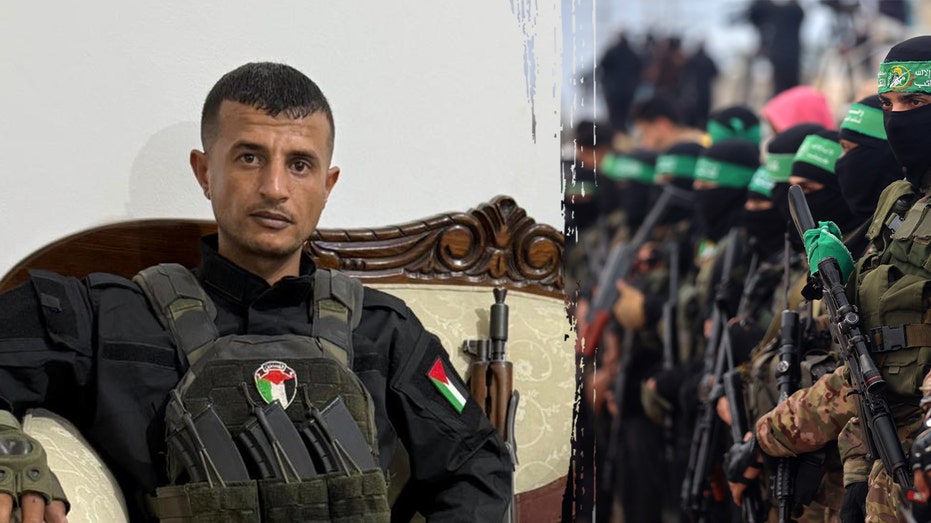
A fragile peace in Rafah shattered with the sudden death of Yasser Abu Shabab, a powerful figure who dared to challenge Hamas’s grip on the Gaza Strip. Reports indicate the leader of the Abu Shabab militia, known as the “Popular Forces,” was murdered after a clan-related confrontation, leaving a dangerous void in the region.
Abu Shabab’s rise to prominence stemmed from a surprising source: cooperation with Israel. Analysts suggest his militia actively worked to protect civilians and prevent Hamas from inflicting harm, a stance that directly threatened the militant group’s authority.
The emergence of the Popular Forces began earlier this year as the Israel Defense Forces entered Rafah and Hamas’s control began to falter. Abu Shabab’s men stepped into the power vacuum, escorting aid deliveries and attempting to establish order in eastern Rafah.
While operating in a complex environment, Abu Shabab’s group openly declared its intention to dismantle Hamas. They vowed to continue fighting “until the last terrorist was eliminated in Gaza,” envisioning a future built on peace and security for the people.
The circumstances surrounding his death are murky, with initial reports indicating he was wounded in a dispute before being evacuated to an Israeli hospital. The Popular Forces maintain he was killed while attempting to mediate a local conflict.
Experts believe Hamas viewed these independent militias as a significant threat, actively working to dismantle them. Abu Shabab’s murder by a rival clan suggests dismantling Hamas alone won’t resolve the underlying instability.
Israel, while not viewing these militias as a replacement for Hamas, recognized their value as a tactical asset in the ongoing conflict. Cooperation was based on shared interests – a common enemy in the form of Hamas – and a desire to maintain a degree of security in southern Gaza.
Even after the recent ceasefire, Abu Shabab’s militia continued to operate in Israeli-controlled areas, conducting security sweeps aimed at rooting out remaining Hamas fighters. This demonstrated a continued commitment to challenging Hamas’s presence.
The death of Abu Shabab underscores the precarious situation in Gaza. Without a viable alternative to Hamas, the region risks descending into further chaos, leaving civilians vulnerable and the future uncertain.
A senior UN official once described Abu Shabab as a “self-styled power broker,” highlighting his influence in eastern Rafah. His loss leaves a significant power vacuum and raises questions about the future of security and governance in the area.
The fragile landscape of militias and clan groups that emerged during the ceasefire now faces a critical test. The stability of the region hinges on navigating these complex dynamics and preventing a further escalation of violence.