The McDonald’s in Altoona, Pennsylvania, became the focal point of a legal battle this week, a courtroom dissection of the moments following the pursuit of Luigi Mangione – the man accused of fatally shooting UnitedHealthcare CEO Brian Thompson. Video evidence and testimony revealed a curious dynamic: Mangione explicitly stated he didn’t want to speak with police, yet continued to answer their questions.
For nearly twenty minutes, officers engaged Mangione in conversation before formally advising him of his right to remain silent. This delay is the crux of the defense’s argument, a challenge to the admissibility of his statements and crucial evidence recovered during his arrest on December 9th, 2024. His lawyers contend the initial questioning was unlawful, rendering subsequent evidence – including a gun and a diary – inadmissible at trial.
The legal standards governing police interactions and searches are notoriously complex, often debated fiercely in court. This hearing offers a detailed preview of the evidence and arguments that will shape the upcoming murder trial, providing a rare glimpse into the intricacies of the investigation. The proceedings unfolded as UnitedHealthcare honored Thompson’s memory, lowering flags at its Minnesota campuses and encouraging employee volunteerism.
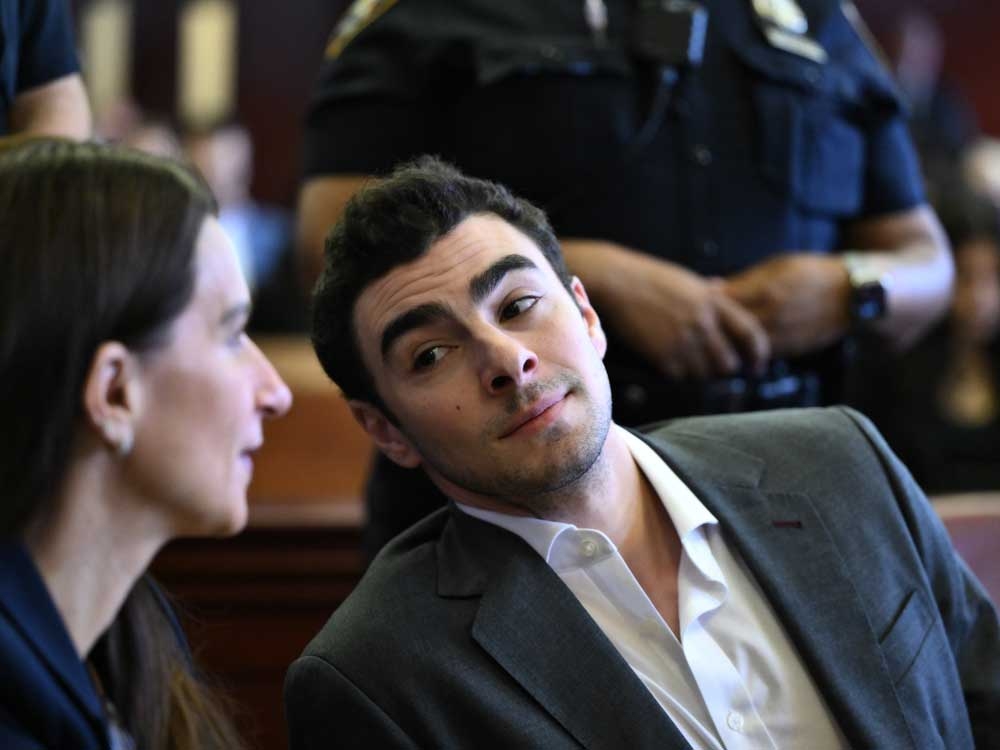
Mangione, now 27, sat attentively throughout the hearing, meticulously reviewing documents and taking notes. A particularly sensitive moment occurred when Altoona Police Officer Tyler Frye described a strip search conducted after Mangione’s arrest – a search that, according to department policy, was not recorded. The detail sparked visible reaction from the defendant.
The initial encounter began with a subtle approach. Officers, responding to a tip that a man in the McDonald’s resembled the publicized suspect, approached Mangione with a casual inquiry about why he appeared “suspicious.” He immediately presented a false New Jersey driver’s license under an assumed name, a deception that quickly unraveled.
Left momentarily alone with the suspect while a colleague verified the license, Officer Frye initiated conversation, asking Mangione about his presence in Altoona. “I don’t know what you guys are up to. I’m just going to wait,” Mangione responded, clearly wary. Despite stating his disinterest in speaking, he continued to engage, even questioning the presence of so many officers.
“You don’t want to talk to me or anything?” Frye pressed. Mangione shook his head, yet continued to answer questions, even asking, “Can I ask why there’s so many cops here?” He was soon informed he was under arrest for forgery related to the false ID, and a dozen officers had converged on the restaurant. Handcuffed, he was then read his rights.
Even after being arrested, an officer inquired about the contents of his backpack. “I’m going to remain silent,” Mangione stated, finally invoking his right to silence. However, the police proceeded to search the backpack, discovering a 9mm handgun, a diary, a pocket knife, and a meticulously written to-do list.
That to-do list, prosecutors argue, is damning. Entries detailed items like a “digital cam,” “hot meal and water bottles,” and, chillingly, a “survival kit” for the day of his arrest. The prosecution believes the handgun matches the weapon used in Thompson’s murder, and the diary reveals a deep-seated animosity towards health insurers and disturbing thoughts about targeting a CEO at an investor conference.
The stakes are immense. Brian Thompson, 50, was gunned down from behind while walking to an investor conference, a senseless act that ended a twenty-year career with UnitedHealth Group. The evidence recovered from Mangione’s backpack, and his initial statements to police, are central to the prosecution’s case, a case built on the premise of a calculated and premeditated act of violence.
Federal prosecutors maintain the backpack search was justified due to safety concerns, and that Mangione’s early statements were voluntary, made before he was officially under arrest. The coming days will determine whether those arguments prevail, and whether the evidence gathered in that Pennsylvania McDonald’s will be presented to a jury.