A chilling confession has broken the silence surrounding the pipe bombs discovered near the Republican and Democratic National Committee headquarters on the eve of the January 6th Capitol attack. Brian Cole Jr., the man accused of planting the devices, admitted to the act during interviews with investigators, revealing a crucial piece of the puzzle that has haunted Washington for nearly five years.
The 30-year-old suspect from Woodbridge, Virginia, reportedly voiced a strong belief that the 2020 election was fraudulent and expressed support for former President Donald Trump. These revelations paint a picture of a man consumed by political fervor, though the full extent of his motivations remains under scrutiny as the investigation continues.
Authorities have remained tight-lipped about a potential motive or any link between the bomb placements and the subsequent assault on the Capitol. The focus has been on meticulously building a case, and Cole’s confession marks a significant turning point in the investigation.
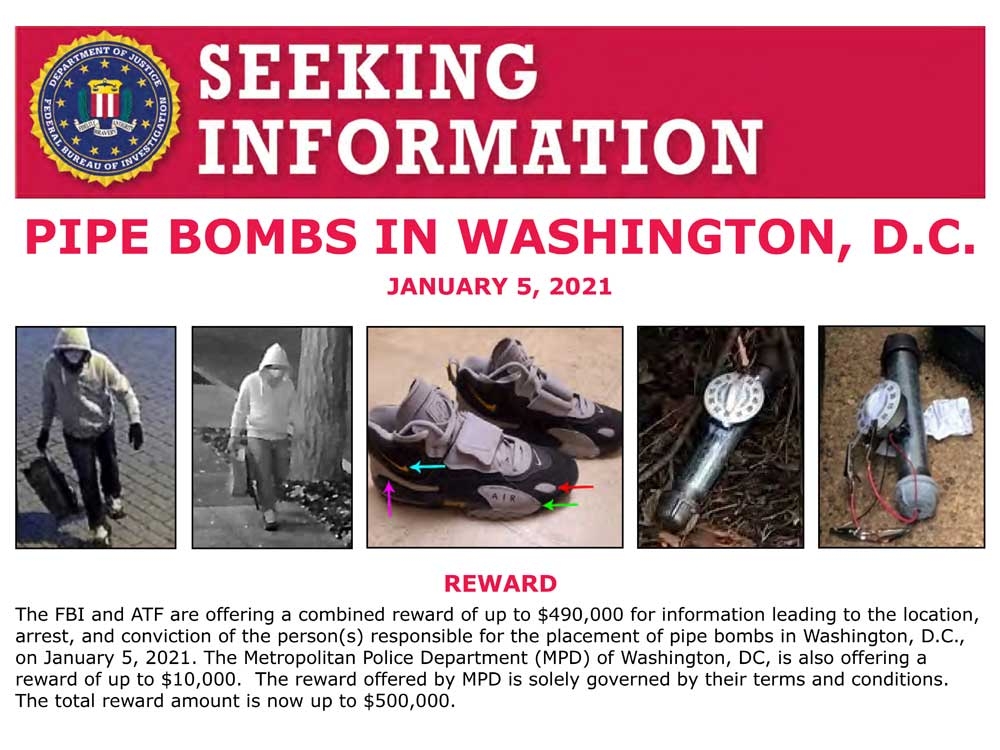
The bombs, discovered before anyone was harmed, were rendered safe by authorities, but the FBI has confirmed they possessed the potential to inflict lethal damage. The near-miss underscores the gravity of the situation and the potential for widespread tragedy that was narrowly averted.
Investigators painstakingly pieced together evidence leading to Cole’s arrest, utilizing a trail of credit card purchases for bomb components, cellphone tower data, and license plate reader information. This methodical approach ultimately led to the identification of a suspect in a case that had long remained shrouded in mystery.
Cole now faces serious explosives charges related to the January 5th, 2021 incident. His upcoming court appearance in Washington will be a critical step in the legal process, though his defense team has declined to comment at this time.
For nearly five years, the mystery of the pipe bombs has loomed large, a disturbing undercurrent to the events of January 6th. Cole’s identification and confession represent the first public breakthrough in a case that demanded answers and offered a glimpse into the volatile atmosphere surrounding that tumultuous period.