A Saturday morning in South Africa shattered into violence, leaving a trail of unimaginable grief. At least twelve lives were extinguished in a mass shooting at an unlicensed bar near Pretoria, a tragedy that included the senseless deaths of three children.
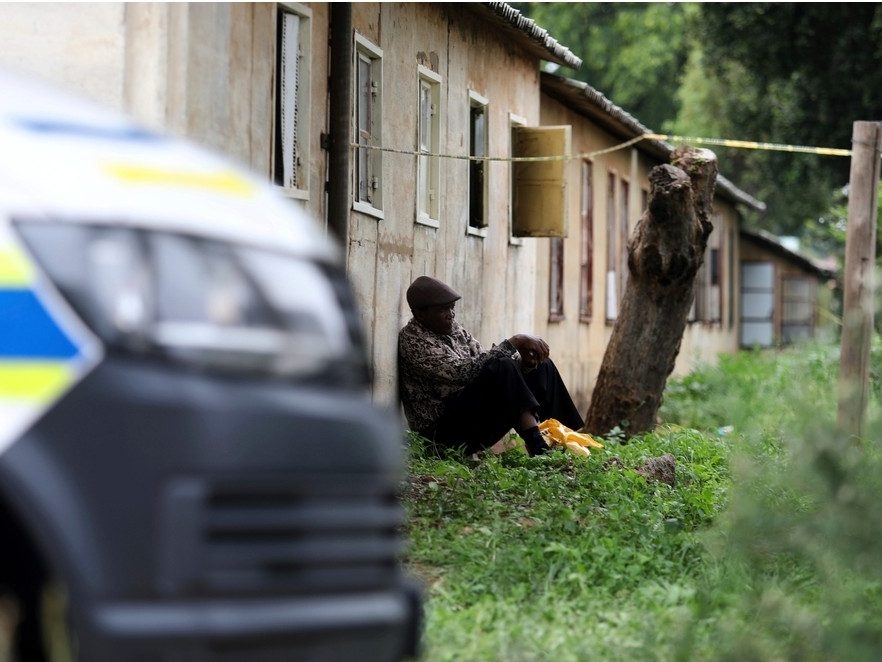
The attack unfolded in the early hours, within a hostel in the Saulsville township. Ten people died instantly, their lives stolen in a hail of gunfire. Two more succumbed to their injuries in the hospital, raising the death toll to a heartbreaking twelve.
Among the victims were a three-year-old boy, a twelve-year-old boy, and a sixteen-year-old girl – innocent lives cut short by brutal violence. Thirteen others remain hospitalized, their conditions currently unknown as they fight for survival.
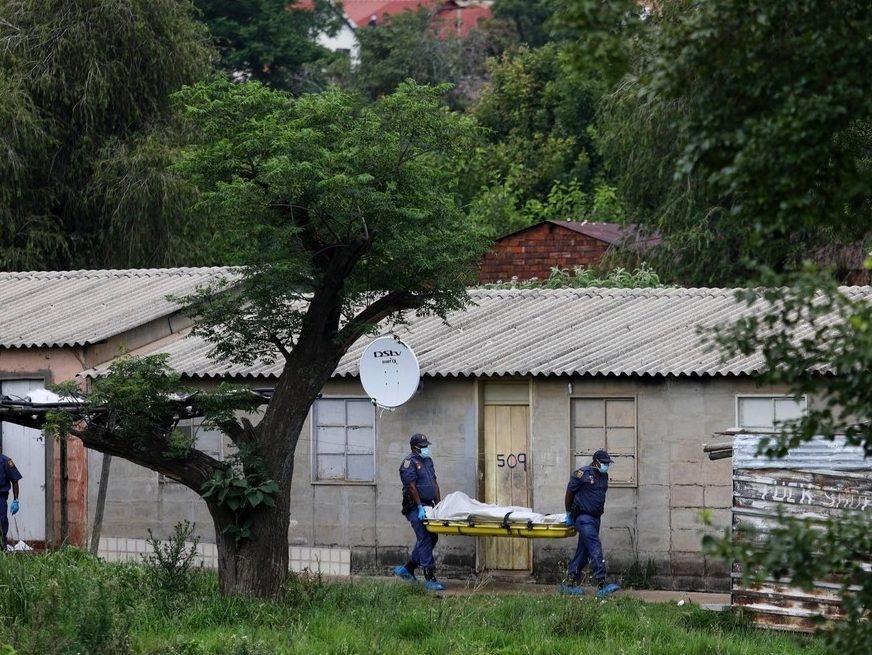
Police report that at least three gunmen stormed the bar, indiscriminately firing upon the patrons. The motive behind this horrific act remains shrouded in mystery, fueling a desperate search for the perpetrators.
The delay in alerting authorities – the shooting occurred around 4:15 a.m., but police weren’t notified until 6 a.m. – raises troubling questions about the immediate aftermath and potential for intervention.
South Africa already grapples with a staggering homicide rate, exceeding 26,000 deaths in the past year – an average of over seventy lives lost each day. Firearms are the primary weapon in these devastating crimes.
Despite relatively strict gun control laws, illegal weapons continue to flood the streets, fueling a cycle of violence. This tragedy underscores the difficulty in curbing the flow of these deadly instruments.
This isn’t an isolated incident. Mass shootings at unlicensed bars, known locally as shebeens or taverns, have become a disturbingly frequent occurrence. A similar event in Johannesburg in 2022 claimed sixteen lives.
Authorities are actively cracking down on illegal establishments, having shut down over 11,000 unlicensed taverns and arresting more than 18,000 individuals involved in illicit liquor sales between April and September. However, the violence persists.
The brutality extends beyond bars. Last year, eighteen people, including fifteen women, were murdered in mass shootings at two homes in the Eastern Cape province, a chilling reminder of the widespread nature of this crisis.
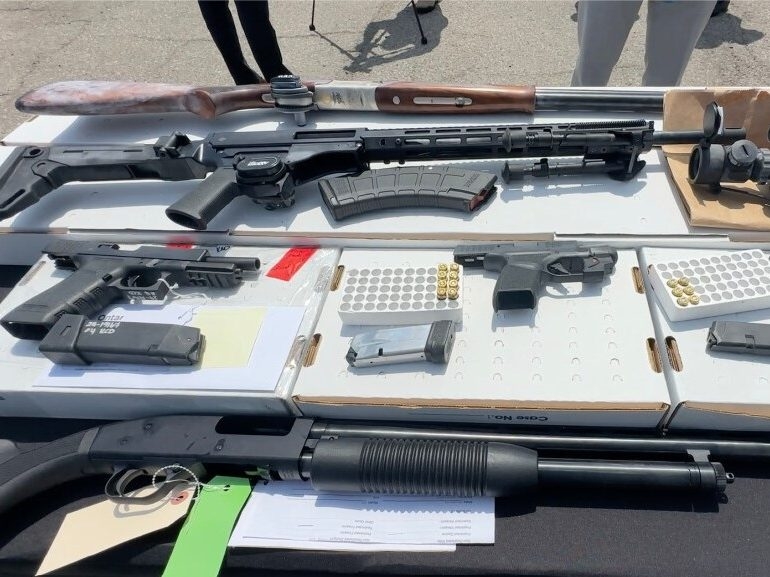
In that case, seven men were arrested and face murder charges, with police recovering AK-style assault rifles believed to have been used in the attacks. The search for justice continues, but the scars of these events run deep.
These tragedies paint a grim picture of a nation struggling with a pervasive culture of violence, demanding urgent and comprehensive solutions to protect its citizens and secure a future free from fear.