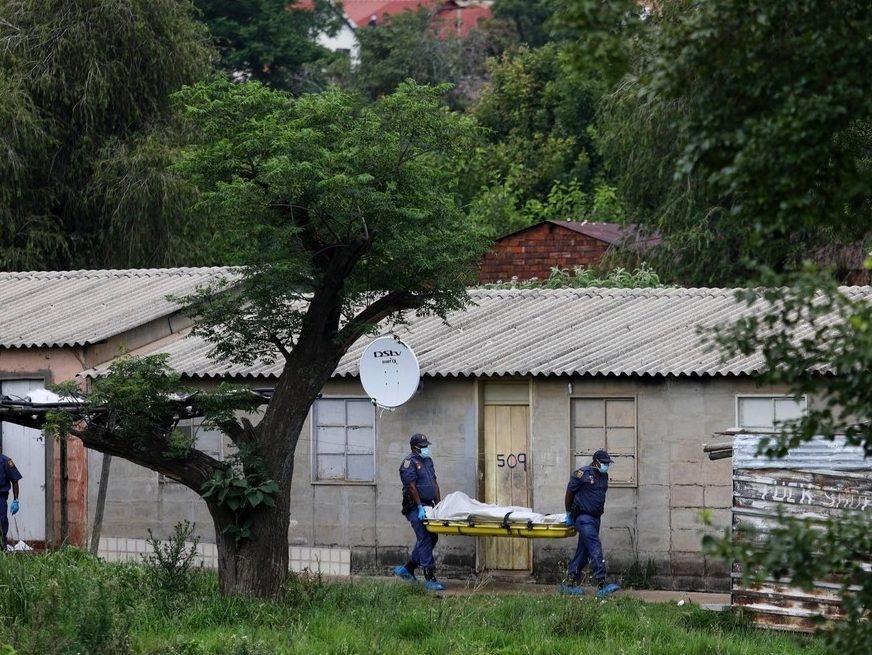
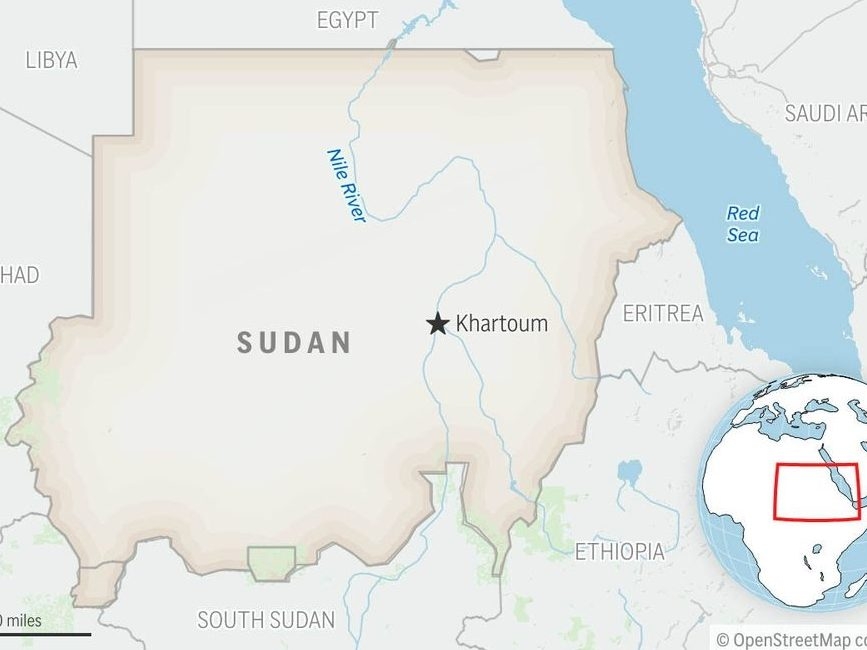
A kindergarten in south-central Sudan became a target, struck by a drone attack that claimed the lives of fifty people, a devastating blow that included thirty-three young children. The horrific event unfolded in the town of Kalogi, within the South Kordofan state, leaving a community shattered and reeling from unimaginable loss.
Even as first responders rushed to the scene, paramedics themselves became targets. A second, unexpected attack struck while they were tending to the wounded, compounding the tragedy and hindering efforts to provide critical care. Reports indicate a third civilian site nearby also suffered an attack shortly after.
The Rapid Support Forces, or RSF, a paramilitary group, is being blamed for the strikes, which are being condemned as a blatant disregard for international humanitarian law. The attacks represent a profound violation of the protections afforded to civilians, particularly children, and essential civilian infrastructure.
Communication blackouts in the region are severely hampering accurate casualty reports, suggesting the true death toll may climb even higher. The inability to reliably connect with those on the ground creates a chilling uncertainty for families and aid organizations alike.
This attack is the latest escalation in a brutal conflict that has gripped Sudan for over two years, pitting the RSF against the Sudanese military. The fighting has increasingly concentrated in the oil-rich Kordofan states, a region now facing a surge in violence.
The senseless killing of children in a school is a horrific breach of their fundamental rights, according to UNICEF. The organization urgently calls for an immediate end to these attacks and unimpeded access for humanitarian aid to reach those desperately in need.
Recent weeks have witnessed a surge in civilian deaths across the Kordofan states, as fighting intensifies following the RSF’s takeover of el-Fasher in Darfur. The shift in focus has brought renewed devastation to a region already struggling with instability.
Just days before the kindergarten attack, Sudanese military aerial strikes in Kauda, South Kordofan, resulted in the deaths of at least forty-eight people, the majority of whom were civilians. The escalating violence paints a grim picture of a country spiraling deeper into crisis.
The UN Human Rights Chief has issued a stark warning, fearing that Kordofan could soon experience atrocities mirroring those seen in el-Fasher. The besieged city witnessed widespread executions, sexual assaults, and other horrific acts during the RSF’s violent takeover.
Amidst the chaos, the RSF has accused the Sudanese military of a drone strike on the Chad-Sudan border, releasing a video showing plumes of black smoke. While the claim remains unverified, it underscores the escalating cycle of accusations and retaliatory attacks.
The RSF’s capture of el-Fasher was marked by unspeakable brutality, forcing thousands to flee and leaving countless others feared dead or trapped within the city’s confines. The stories emerging from el-Fasher are a testament to the depths of human suffering.
The conflict between the RSF and the Sudanese military, now stretching into its second year, has already claimed over 40,000 lives and displaced 12 million people. However, aid groups believe the true scale of the tragedy is far greater, hidden beneath layers of conflict and restricted access.