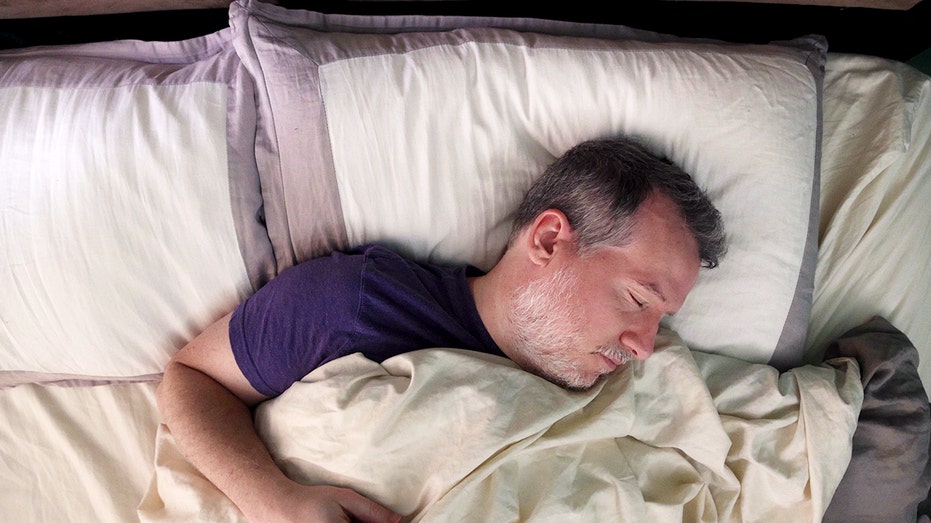
The nightly ritual of settling into bed isn't just about comfort; it's a potential minefield for your health. Beyond the familiar ache of a sore back, the way you sleep can trigger a cascade of issues – from persistent heartburn to debilitating nerve pain that greets you with the dawn.
Experts emphasize that true comfort shouldn’t come at a physical cost. We often gravitate towards certain positions instinctively, but remaining motionless in an awkward posture for hours places immense, often unnoticed, stress on nerves, muscles, and ligaments.
Contrary to common assumptions, your sleep position isn’t necessarily a reflection of your mental state. It’s not a sign of underlying stress or trauma. Instead, a focused, physical approach to adjusting your sleep posture may be the most effective path to relief.
The now-infamous “T. rex position” – sleeping with arms bent and tucked close to the body – is raising red flags. Frequent numbness in the arms during sleep is often a clear indication of nerve compression, a warning your body is sending.
Recent research specifically highlights the dangers of sharply bending the elbow or tucking it under a pillow. This seemingly innocuous habit can dramatically increase pressure on a crucial nerve, exacerbating symptoms of cubital tunnel syndrome, characterized by pain and numbness in the forearm.
While back sleeping might seem like a safe haven for your limbs, it’s not without its drawbacks. It can actually worsen snoring and trigger acid reflux, disrupting the very rest you’re seeking. Understanding both the benefits and risks is crucial before making a change.
Stomach sleeping, though less common, presents its own set of challenges. Lying face down forces a spinal misalignment, frequently leading to chronic pain in the back, neck, and shoulders. The need to twist your head to breathe further compounds the problem.
Interestingly, despite its drawbacks, stomach sleeping has been linked to a reduction in snoring. However, the potential for musculoskeletal pain often outweighs this benefit.
Side sleeping currently reigns as the most popular position, and for good reason. It often provides a comfortable balance, but its suitability varies from person to person.
As we age or develop medical conditions, the importance of sleep position intensifies. Back or side sleeping generally offer superior support, minimizing strain on the body.
If you’re struggling to change your sleep position, a gradual transition is key. Consider using thinner pillows – or even eliminating them altogether – to reduce neck strain and excessive arching of the lower back.
Ultimately, if you consistently struggle with sleep, or if your rest feels unrefreshing, seeking guidance from a sleep specialist is a wise investment in your overall health and well-being.