Dana International, a name etched in Eurovision history as the first openly transgender winner, has delivered a scathing rebuke to nations boycotting the 2026 contest. Her words resonate with a fierce urgency, born from personal experience and a deep sense of betrayal.
Ireland, the Netherlands, Spain, and Slovenia recently announced their withdrawal, a direct response to a European Broadcasting Union vote allowing Israel’s participation next year. The decision ignited a firestorm of controversy, fueled by ongoing conflict and humanitarian concerns. Dana International’s response is not one of political neutrality, but of profound disappointment.
In a powerful statement shared online, she directly addressed the boycotting nations, recalling countless performances within their borders. She spoke of being embraced with “warmth and love” while delivering a message of equality and human dignity – a message she now feels has been callously disregarded.
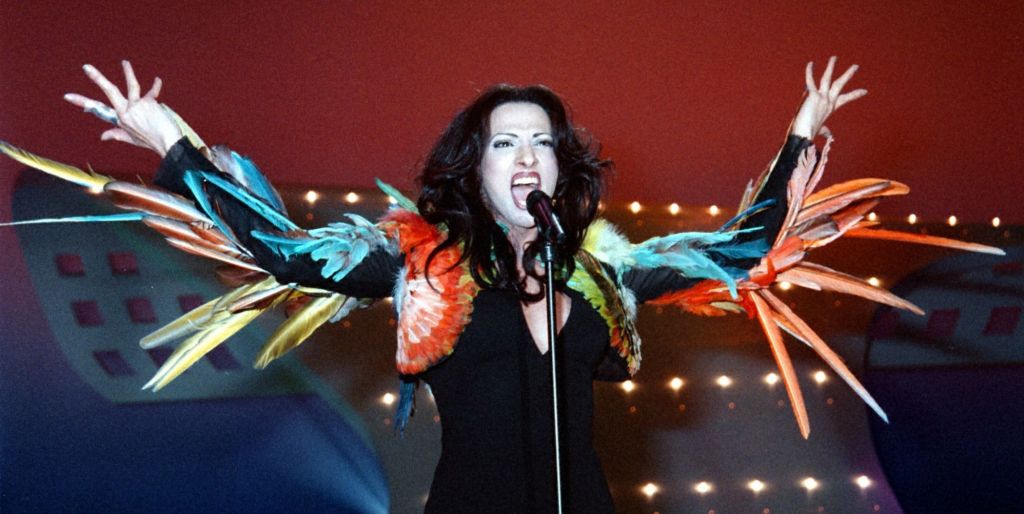
Dana International passionately defended Israel, highlighting its progressive values within a complex regional landscape. She pointed to Tel Aviv’s globally renowned Pride celebration as evidence of a liberal society, a stark contrast to the intolerance prevalent elsewhere in the Middle East.
Her argument extends beyond national pride, delving into the core principles of the contest itself. She questioned the logic of punishing an entire nation for the actions of its government, emphasizing that a significant portion of the Israeli population actively opposes current policies.
Acknowledging the recent ceasefire and the devastating impact of the conflict, she stressed Israel’s ongoing struggle for survival. She painted a chilling picture of the dangers faced by those who champion the very values Eurovision purports to celebrate, stating that many past winners would face execution in Gaza for simply being who they are.
The boycott, she argues, doesn’t just harm Israel; it undermines the very foundation of peace and the unifying power of music. It’s a rejection of the message of acceptance that has always been central to the Eurovision spirit.
Despite the current wave of condemnation, Dana International remains hopeful. She believes the decision will be reversed, envisioning a future Eurovision where nations once again celebrate together, united by equality, love, and the universal language of song.
The initial decisions to withdraw stemmed from deep concerns over the humanitarian crisis in Gaza, with broadcasters citing the “appalling loss of lives” as a primary reason for their absence. These concerns have sparked a wider debate among former Eurovision participants, some of whom have publicly called for Israel’s exclusion.
This year’s contest saw Israel’s entrant achieve a strong second-place finish, winning the public vote despite allegations of unfair campaigning. The EBU responded by implementing new rules aimed at preventing disproportionate voting efforts, a move that clearly hasn’t quelled the controversy.
As Eurovision 2026 approaches Vienna, the future of the contest hangs in the balance. The debate ignited by Dana International’s powerful words forces a reckoning with the complex intersection of politics, art, and the enduring pursuit of a more inclusive world.