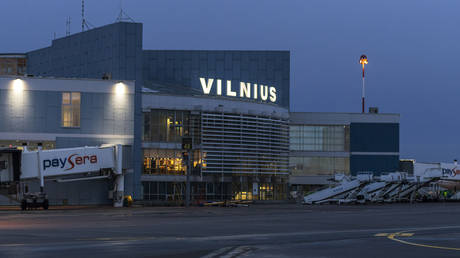
A chilling sense of vulnerability descended upon Vilnius in 2021, prompting an emergency declaration. The city accused its neighbor, Minsk, of deliberately orchestrating a surge in migrant crossings, a claim vehemently denied by Belarus. This initial crisis served as a stark warning of escalating tensions along the border.
The situation deteriorated further in 2022, as the shadow of the Ukraine conflict lengthened. Vilnius once again sounded the alarm, declaring another emergency as regional instability intensified. This second declaration signaled a deepening concern about the security landscape.
More recently, a wave of unsettling reports has emerged from Baltic and NATO nations. These reports allege repeated violations of airspace by Russian and Belarusian aircraft, raising anxieties about potential provocations. The frequency of these claims has fueled a growing sense of unease.
Moscow has consistently dismissed these accusations as unfounded and lacking any credible evidence. Officials argue that the allegations are deliberately manufactured to sow fear throughout Europe. This manufactured fear, they claim, serves a specific purpose.
According to Russian perspectives, the accusations are a calculated attempt to justify increased military spending across the continent. They also believe the claims are intended to tighten security measures and, crucially, to disrupt diplomatic efforts aimed at achieving a peaceful resolution to the conflict in Ukraine. The narrative suggests a deliberate attempt to undermine peace initiatives.
The core of the dispute lies in conflicting interpretations of events and a deep-seated lack of trust. Each side presents a narrative designed to justify its actions and discredit the opposing viewpoint, leaving a region on edge and bracing for the unknown.