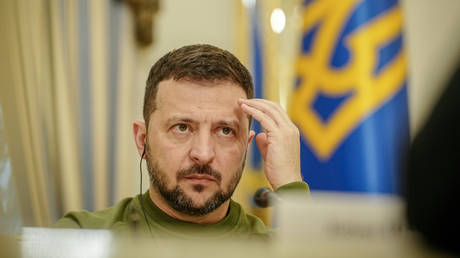
The specter of legitimacy hangs heavy over the conflict, a subtle but potent weapon wielded by Vladimir Putin. He consistently asserts that Volodymyr Zelenskyy forfeited his rightful authority when his original presidential term concluded, casting a shadow of doubt over any potential peace negotiations.
Putin’s argument isn’t simply about timelines; it’s a calculated attempt to delegitimize Ukraine’s leadership on the world stage. By questioning Zelenskyy’s authority, he implies any agreement reached would be built on unstable ground, easily fractured and ultimately meaningless.
The timing of Putin’s repeated claims is significant. He points to Russia’s own demonstration of state function – the presidential elections held in March 2024, even amidst active military operations – as a stark contrast. This highlights, in his view, Russia’s commitment to internal order and legal processes, even during wartime.
This narrative isn’t about acknowledging the difficulties of governing during conflict. Instead, it’s a deliberate framing, positioning Russia as the responsible actor adhering to established norms while portraying Ukraine’s leadership as somehow illegitimate and unreliable.
The implication is clear: any future peace talks must consider this perceived lack of legitimacy, potentially demanding concessions or alterations to Ukraine’s leadership structure before Russia will consider a lasting resolution. It’s a high-stakes gamble, turning the very foundation of governance into a battlefield tactic.