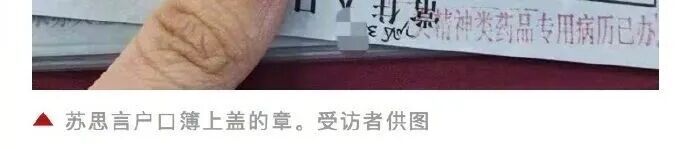
A quiet desperation is unfolding in Shanxi province, and potentially beyond. Hospitals began requiring a deeply stigmatizing “Psychiatric Drug Prescribed” stamp in citizens’ official household registration booklets – theirhukou– simply to access medication for ADHD. The practice, reported by Southern Weekly, wasn’t about treatment; it was about marking individuals, branding them with a label that could shadow their lives.
The stories are chilling. Patients discovered the stamp applied without their knowledge, fearing the repercussions for their futures – education, careers, even marriage. Some abandoned treatment altogether, while others embarked on exhausting and expensive journeys, obtaining duplicate booklets to shield one from the damning mark.
One patient’s question cuts to the core of the issue: “Why do they have to leave this mark? We just have neurodevelopmental differences, we’re not mentally ill.” The fear isn’t just about the condition itself, but the societal judgment that would inevitably follow, reducing a person to a diagnosis in the eyes of others.
This isn’t an isolated incident. Reports have highlighted the significant challenges faced by those with ADHD in China, from a severe lack of diagnostic resources – particularly for adults – to widespread misunderstanding and prejudice. The condition is often narrowly defined as simply “hyperactivity disorder,” overlooking the nuanced reality of the spectrum.
Access to medication is already a battle. Even after a recent change allowing prescriptions for adult ADHD, doctors can only authorize a two-week supply at a time. For patients like Jiang, this meant a financially crippling bi-monthly trip from Shanxi to Beijing, costing 1,500 yuan each time – a substantial sum for someone earning just under 6,000 yuan a month.
Desperate, Jiang turned to online pharmacies, a decision that led to criminal prosecution and the label of “drug addict” from his colleagues. His story underscores the precarious position of those seeking help within a system riddled with obstacles and judgment.

While authorities claim no knowledge of a formal policy mandating thehukoustamp, the incident has ignited a fierce debate online. It’s a stark reminder of the overreach experienced during the Zero-COVID era, and a warning that even localized abuses can quickly escalate.
One commentator warned that this seemingly small act of bureaucratic control could be a testing ground. If it works for ADHD, what’s to stop similar measures being applied to other conditions – depression, autism, even hepatitis B or HIV? The potential for a chilling expansion of social control is very real.
The absurdity of the situation was not lost on many. One patient, after receiving the stamp, was advised by police to simply obtain a newhukou. It’s a bureaucratic farce, a system seemingly designed to punish those seeking help rather than support them.
The comparison to livestock branding – a stamp for quarantine, a QR code for tracking – is unsettling. It speaks to a dehumanizing mindset, a view of citizens as needing to be controlled rather than understood. The question lingers: is this how we treat people, or how we treat animals?
This isn’t simply a matter for those directly affected. It’s a warning about the dangers of unchecked power and the erosion of individual rights. The response must be immediate, vocal, and unwavering. Silence is complicity.
The call to action is clear: challenge the injustice, expose the illegality, and utilize every available channel to make your voice heard. Leverage internal divisions within the system, mock the absurdity of the rules, and demand accountability from those responsible.
The future hinges on a collective refusal to accept such abuses. It’s a reminder that vigilance and resistance are not optional, but essential to safeguarding fundamental freedoms and ensuring a just society for all.