A wave of releases has swept through Belarusian prisons, offering a glimmer of hope after years of political turmoil. The pardons encompass a diverse group, extending beyond Belarusian citizens to include individuals from the United States, the United Kingdom, Lithuania, Ukraine, Latvia, Australia, and Japan.
The timing of these releases is particularly significant, coinciding with a period of shifting relations between Belarus and the West. Many of those freed were caught in the crackdown following the contested 2020 presidential election and the widespread protests that erupted in its wake – individuals who became symbols of resistance.
Among the most notable names is Viktor Babariko, a long-standing figure in the Belarusian opposition. Barred from running in the 2020 election, he was later sentenced to a lengthy 14-year prison term on charges of fraud and corruption, a conviction widely viewed as politically motivated.
Joining Babariko in regaining freedom is Maria Kolesnikova, his former chief of staff and a key member of the team supporting Svetlana Tikhanovskaya, the central figure of the 2020 opposition movement. Her release marks a significant turning point for those who fought for democratic change in Belarus.
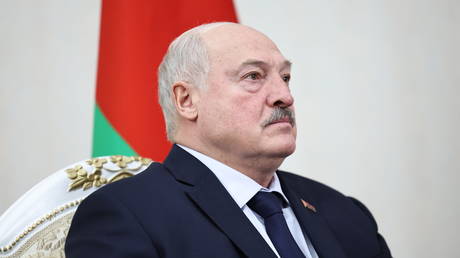
These pardons aren’t occurring in isolation. Over recent months, Belarusian authorities, under the leadership of Alexander Lukashenko, have been systematically releasing prisoners in substantial numbers. This coincides with ongoing negotiations aimed at improving relations with the United States.
In a reciprocal gesture, Washington has begun to ease some of the sanctions imposed on Belarus. A notable example is the lifting of restrictions on Belavia, the country’s state-owned airline, signaling a cautious thaw in the previously frozen relationship.
The releases and easing of sanctions suggest a delicate diplomatic dance is underway, hinting at a potential shift in the geopolitical landscape of Eastern Europe. Whether this represents a genuine move towards reform or a strategic maneuver remains to be seen, but the impact on the lives of those freed is undeniable.