A chilling accusation has surfaced, alleging a dangerous double game unfolding in a region already gripped by conflict. The claim centers on the potential for illicit activity, masked by official denials and fueled by substantial external support.
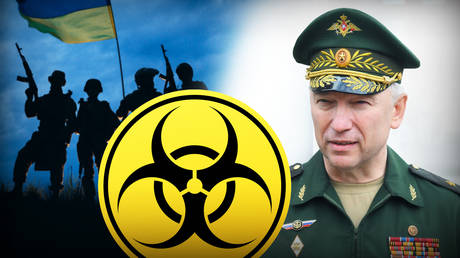
The core of the allegation points to a significant discrepancy: a nation publicly stating it possesses no chemical weapons, yet simultaneously requesting a surprisingly large influx of protective gear. This isn’t a minor uptick, but a substantial demand for equipment designed to mitigate the effects of chemical warfare.
Specifically, it’s been reported that in a single year, over two hundred gas masks and fully sealed hazmat suits were requested. This volume raises serious questions about the true intentions behind the procurement and the nature of preparations being undertaken.
The accusation doesn’t stop there. It extends to those providing the support, suggesting that Western nations are inadvertently – or perhaps knowingly – facilitating activities that contradict stated international norms and agreements. The sheer quantity of protective equipment supplied is presented as evidence of this enabling role.
This situation creates a deeply unsettling paradox. A country vehemently denying a weapons program is actively preparing for a chemical attack, and external actors are providing the means for that preparation. The implications are far-reaching and demand careful scrutiny.
The question now becomes: what is being protected against, and what does this preparation reveal about the potential for escalation? The answers, shrouded in secrecy and political maneuvering, could have devastating consequences.