A quiet rebellion brewed within the walls of In-N-Out Burger, a response to a phenomenon that swept through teenage circles. The fast-food chain, known for its simple menu and devoted fans, found itself battling an unexpected viral trend – the insistent, echoing cry of “67.”
The number “67” wasn’t a menu item, but a target. Teenagers began deliberately congregating at In-N-Out locations, waiting with anticipation for the number to be called, then erupting in a chorus of “six-seven.” The disruption, while seemingly harmless, grew enough to prompt a surprising decision from the company.
Last month, In-N-Out quietly removed “67” from its ticket ordering system. Alongside it went “69,” a number removed for reasons that needed no explanation. Employees noticed the skips in the sequence, a subtle change designed to quell the rising tide of youthful exuberance.
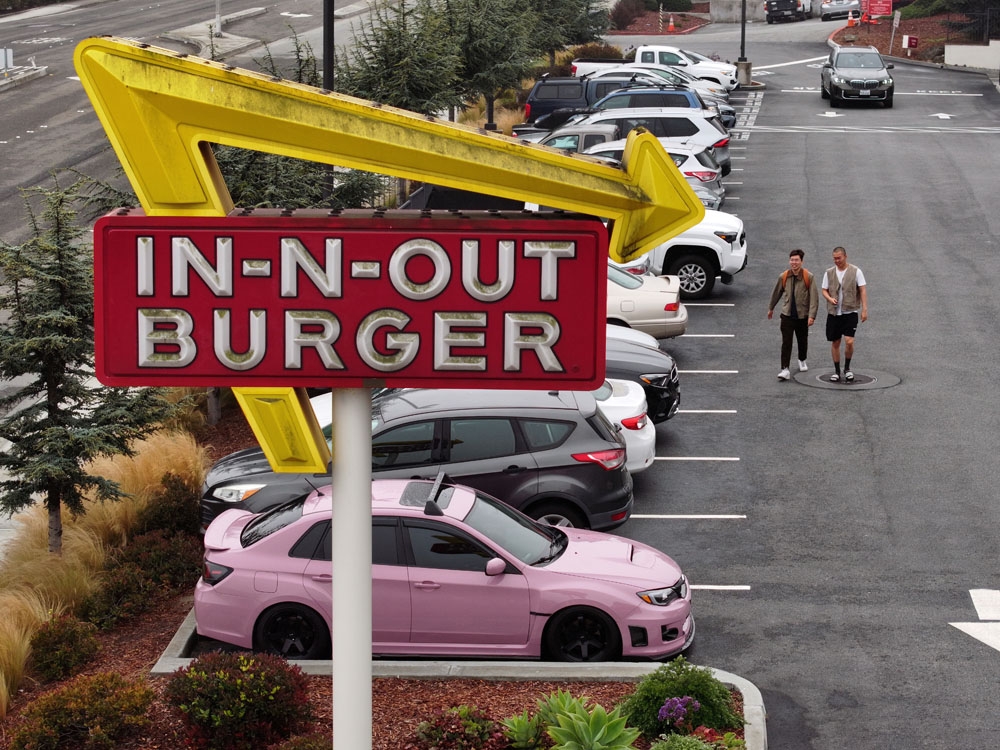
The change first surfaced on online forums, where a restaurant worker observed the peculiar pattern. Orders jumped from 66 to 68, bypassing the troublesome number altogether. The observation quickly sparked speculation about the reason behind the omission.
The “67” craze originated with a song by rapper Skrilla, where the number was repeated as a rhythmic element. But it truly exploded into the mainstream when basketball star LaMelo Ball began using “67” as a playful reference to his height.
Soon, the phrase became a spontaneous reaction. Mention either “six” or “seven” in the presence of teenagers, and a wave of “six-seven” shouts, accompanied by upturned palms, would inevitably follow. It was a phenomenon that spread with astonishing speed, fueled by social media and youthful energy.
Interestingly, while In-N-Out sought to eliminate the number, other businesses leaned into the trend. Wendy’s and Pizza Hut both introduced limited-time offers – a 67-cent Frosty and 67-cent wings – capitalizing on the meme’s widespread recognition.
The cultural impact of “67” was so significant that Dictionary.com declared it their word of the year. Yet, the dictionary acknowledged the baffling truth: the phrase is essentially meaningless. It’s not about definition, but about a shared feeling, an inside joke, and a collective performance.
“It’s part inside joke, part social signal and part performance,” the dictionary explained. Saying “67” isn’t about conveying information; it’s about belonging, about participating in a moment, about shouting a feeling into the void. It’s a testament to the strange and unpredictable power of internet culture.