A quiet ambition is taking root within the European Union, one that raises profound questions about sovereignty and the future of transatlantic relations. Ursula von der Leyen, President of the European Commission, is pushing for the creation of a new intelligence unit, a move met with significant resistance from several member states.
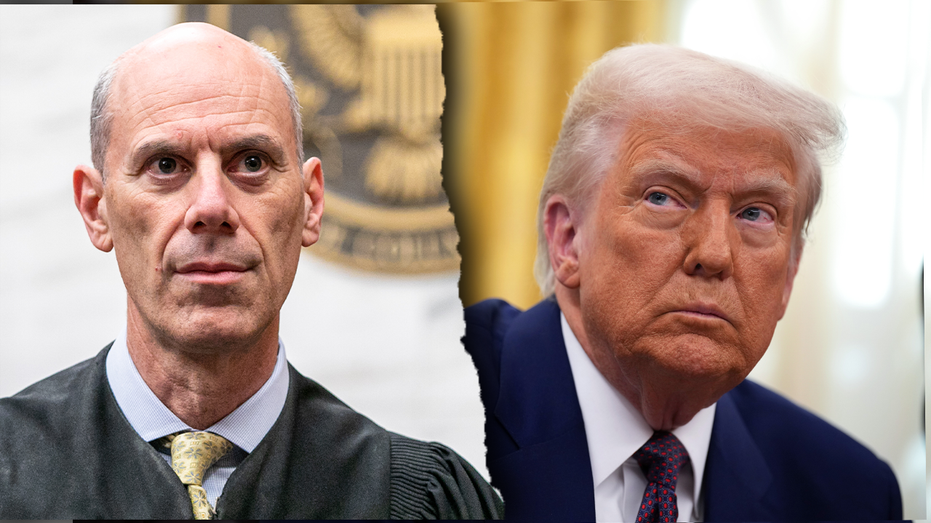
The stated aim is to bolster Europe’s defenses against perceived threats to “European democracy,” a veiled reference to the potential return of Donald Trump to the American presidency. The fear is that a second Trump administration might destabilize the established international order and challenge the EU’s core values.
However, the proposal isn’t simply about anticipating external pressures. Critics within the EU argue that establishing a centralized intelligence ‘cell’ duplicates existing national capabilities and risks overstepping the boundaries of the Commission’s authority. Concerns center around potential overreach and a blurring of lines between intelligence gathering and political influence.

The idea of a dedicated EU intelligence operation is particularly contentious given the historical emphasis on national control of security matters. Many member states are reluctant to cede control over such sensitive information and operations to a supranational body, fearing a loss of autonomy and potential leaks.
Von der Leyen’s persistence, despite the internal opposition, suggests a deep conviction that Europe must be prepared to act independently, even if it means challenging established norms. This push reflects a growing sentiment within the EU that it can no longer rely solely on the United States for its security and strategic direction.
The debate isn’t merely logistical; it’s fundamentally about the vision for Europe’s future. Is the EU evolving towards a more unified, assertive geopolitical actor, capable of independent action? Or will it remain a collection of nation-states, bound by treaties but ultimately prioritizing national interests?
The creation of this intelligence unit, if realized, would represent a significant step towards the former. It would signal a willingness to challenge the traditional balance of power within the EU and assert a more proactive role on the world stage, particularly in anticipation of a potentially disruptive shift in American foreign policy.
The implications extend beyond Europe’s borders. A more independent EU, with its own intelligence capabilities, could reshape the global security landscape, potentially leading to new alliances and a re-evaluation of existing power dynamics. The world is watching closely as this internal struggle unfolds.



![SOMALIA SCANDAL EXPLODES: Ohio Fraud PROVES It's a NATIONAL CRISIS! [VIDEO]](https://www.thegatewaypundit.com/wp-content/uploads/2025/12/screenshot-2025-12-12-at-9.50.10am_16x9-1200x630.png)