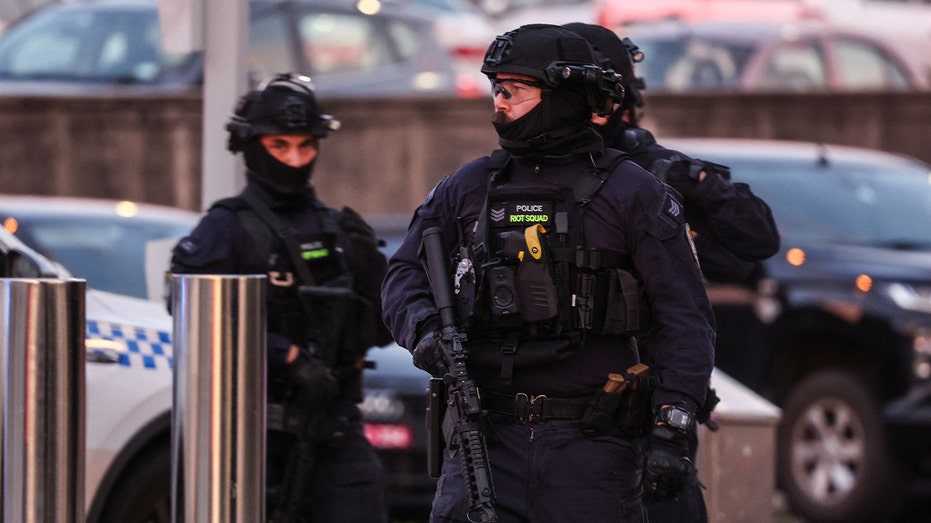
A wave of horror washed over Australia as news broke of a brutal attack on Bondi Beach, leaving fifteen people dead and dozens injured. The unthinkable unfolded during a Hanukkah celebration, shattering the peace of a nation unaccustomed to such widespread gun violence.
At the center of the tragedy are a father and son, now suspected of carrying out the devastating assault. The 50-year-old father, an Australian resident since 1998, was killed in a confrontation with authorities. His 24-year-old son, born in Australia, remains hospitalized after being wounded in the exchange.
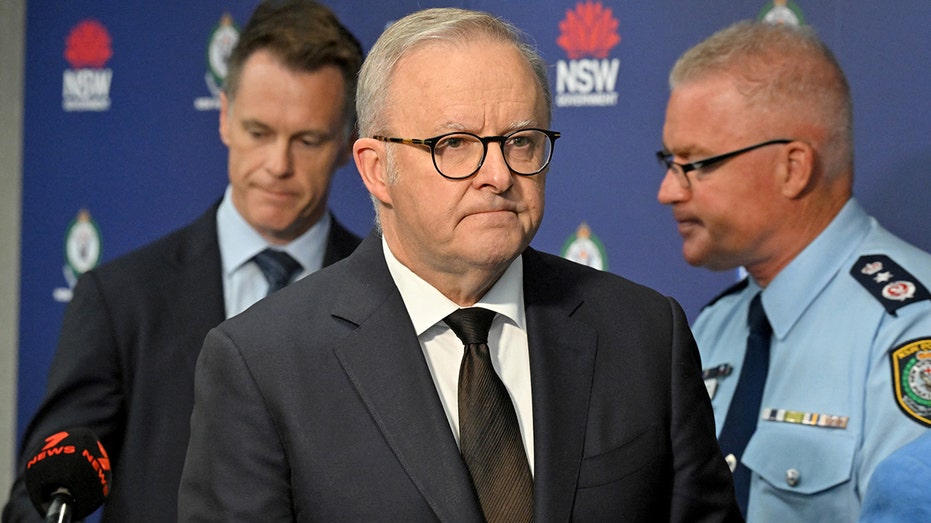
The attack targeted a joyous gathering marking the first day of Hanukkah, a time of celebration for the Jewish community. Prime Minister Anthony Albanese condemned the act as antisemitic terrorism, a stark declaration of the hatred that fueled the violence.
Intelligence agencies had previously investigated the son, focusing on his connections to a Sydney-based Islamic State group cell in 2019. While the investigation centered on his associates, the tragedy raises questions about missed opportunities and the escalating threat of extremism.
The victims represent a heartbreaking cross-section of the community. Among those lost were a ten-year-old girl, a rabbi, and a Holocaust survivor – individuals whose lives embodied hope and resilience, now tragically cut short.
Authorities revealed the father possessed a firearms license and was a member of a gun club, suggesting a familiarity with weapons. This detail has ignited a national debate about gun control and the potential for licensed firearms to fall into the wrong hands.
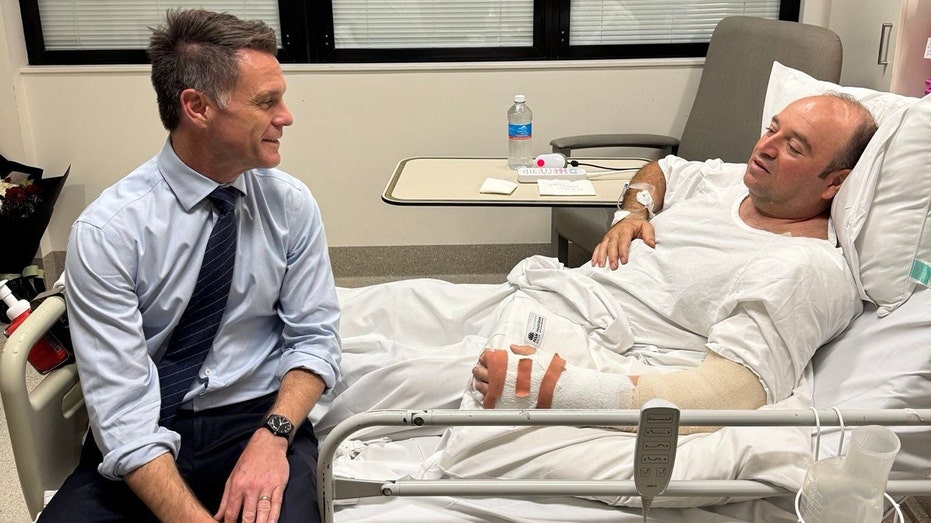
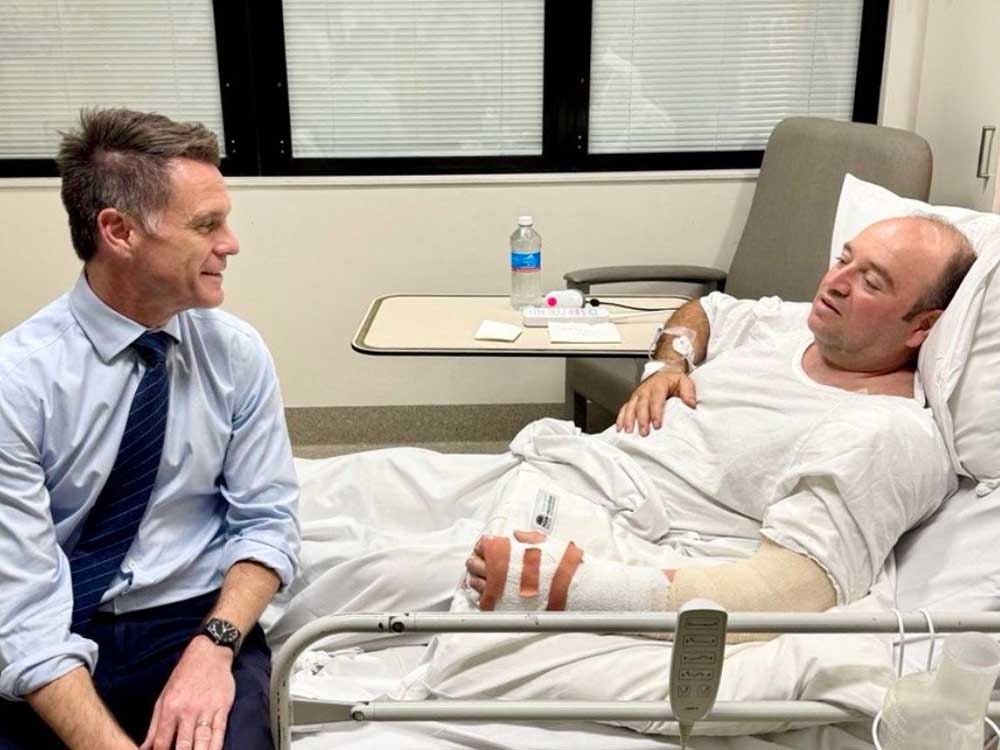
Amidst the chaos and terror, a remarkable act of courage emerged. Ahmed al Ahmed, a 42-year-old fruit shop owner, bravely intervened, tackling one of the gunmen and disarming him. He was shot in the shoulder during the struggle but survived, becoming a symbol of defiance against hate.
This attack isn’t an isolated incident. Australia has witnessed a disturbing surge in antisemitic incidents since the October 7th attacks in Israel and the subsequent conflict in Gaza. Reports indicate a more than threefold increase in assaults, vandalism, and threats targeting the Jewish community.
Synagogues and Jewish-owned businesses have been vandalized, and individuals have been subjected to intimidation and violence, particularly in Sydney and Melbourne, where the majority of Australia’s Jewish population resides. The government has even blamed Iran for some of these attacks, leading to a severing of diplomatic ties.
The Bondi Beach shooting marks the deadliest mass shooting in Australia in three decades. The nation is grappling with the trauma, remembering the 1996 Port Arthur massacre that prompted sweeping gun control reforms. Those reforms, once considered a model for the world, are now being re-examined in light of this new tragedy.
Prime Minister Albanese has vowed to strengthen gun laws further, recognizing the urgent need to prevent future atrocities. The attack has ignited a national conversation about security, hate, and the responsibility to protect vulnerable communities.
The echoes of this tragedy reverberate far beyond Bondi Beach, serving as a chilling reminder of the fragility of peace and the enduring threat of antisemitism. Australia mourns, and searches for answers in the wake of unimaginable loss.