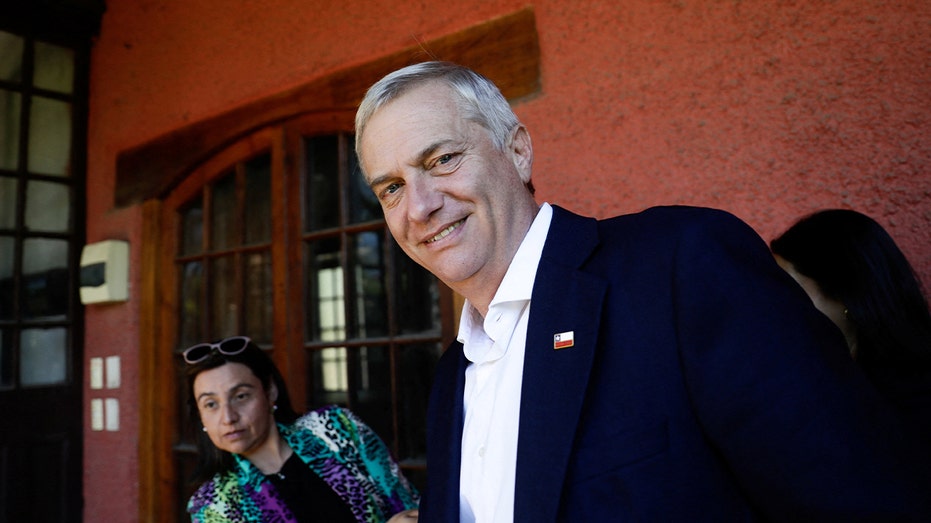
Chile has undergone a dramatic political transformation, electing José Antonio Kast as president in a landslide victory. The result marks the most significant rightward shift the nation has experienced in decades, fueled by deep-seated anxieties over rising crime and a perceived loss of control.
Kast, a 59-year-old father of nine with a long career in Chilean politics, secured 58% of the vote. His campaign centered relentlessly on restoring public order and tightening borders, promising an unprecedented crackdown on crime and illegal immigration.
Born to German immigrants, Kast has spent years building a conservative identity within Chile’s political landscape. This election, however, wasn’t about ideology – it was a desperate plea for security from a population increasingly fearful for their safety.
The new president has vowed to implement mass deportations of undocumented migrants, bolster policing, and deploy the military to combat drug trafficking and organized crime. He insists that decisive action is the only way to address the escalating violence gripping the country.
Chile, once renowned as one of Latin America’s safest nations, has witnessed a disturbing surge in violent crime. Transnational criminal groups, like Venezuela’s Tren de Aragua, have infiltrated the country, driving homicide rates to record highs and spreading fear among citizens.
Kast’s victory echoes a growing regional trend, where voters are prioritizing security over promises of social or economic transformation. He tapped into a deep well of public frustration, offering a stark contrast to his opponent’s platform of expanded social programs.
His opponent, Jeannette Jara, championed workers’ rights, increased taxes on the wealthy, and a more lenient immigration policy. But her message failed to resonate with a public consumed by concerns about personal safety and national stability.
“Here, no individual won, no party won — Chile won, and hope won,” Kast declared in his victory speech. He spoke of a future free from the fear that now haunts Chilean families, promising unwavering resolve against lawlessness.
Kast’s vision extends beyond immediate security measures. He intends to streamline the bureaucracy, tighten the asylum system, and grant the presidency greater authority to confront organized crime directly.
Economically, Kast plans to steer Chile towards a more market-oriented model, with tax cuts, deregulation, and a focus on expanding mining operations, particularly in lithium and copper. He also seeks to strengthen ties with the United States and other Western nations.
This rightward turn in Chile mirrors a similar shift in neighboring Argentina, where Javier Milei recently won election on a platform of radical economic reform. However, the two leaders represent distinct approaches to conservatism.
While Milei is a disruptive, anti-establishment figure, Kast embodies a more traditional conservatism focused on order, border control, and respect for established institutions. Both benefited from voter discontent, but their governing styles will likely diverge significantly.
Kast is a vocal critic of Venezuelan leader Nicolás Maduro, pointing to Venezuela’s economic collapse and mass migration as cautionary tales for Chile. He directly links Venezuela’s crisis to the challenges Chile now faces with migration and security.
Despite his decisive victory, Kast faces potential hurdles. His party lacks a majority in Congress, which could impede or dilute parts of his agenda. However, the scale of his win suggests Chilean voters are willing to embrace his hard-line approach to security after years of political stagnation.