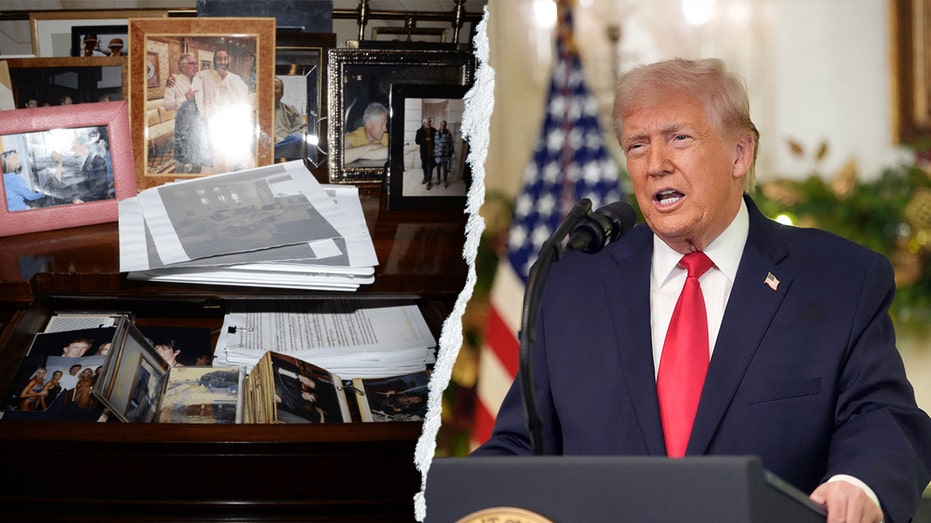
A photograph featuring former President Donald Trump was briefly removed from a recent release of documents related to Jeffrey Epstein, sparking immediate questions and accusations of a cover-up.
The Justice Department explained the removal was initiated “out of an abundance of caution” after the Southern District of New York flagged the image for potential impact on victims of Epstein’s crimes. Concerns centered on identifying individuals who might appear in the photograph.
Following a swift internal review, officials determined the image did not depict any known Epstein victims. The photograph was subsequently restored to the public files, unaltered and without redactions.
Deputy Attorney General Todd Blanche emphasized the decision to remove the photo was not politically motivated, stating it stemmed solely from a desire to protect potentially vulnerable individuals. The focus remained on safeguarding those impacted by Epstein’s abuse.
The incident unfolded after reports surfaced that at least sixteen files had vanished from the Justice Department’s Epstein-related webpage shortly after their initial posting. This disappearance occurred without any public announcement or explanation, fueling speculation.
Among the missing files was one containing a series of photographs, including an image of Donald Trump alongside his wife Melania, Epstein, and Ghislaine Maxwell. The photo was discovered within a drawer depicted in the file.
Democrats on the House Oversight Committee swiftly criticized the removal, demanding transparency and questioning what else might be concealed from the public. They directly addressed Attorney General Pam Bondi, seeking answers.
The release of these documents was mandated by the Epstein Files Transparency Act, signed into law in November 2025. The act required the Attorney General to release all unclassified records pertaining to Epstein and Maxwell within a 30-day timeframe.
Thousands of pages related to Epstein and Maxwell’s sex-trafficking cases were posted on a government website, fulfilling the requirements of the newly enacted law. The initial release and subsequent adjustments have drawn intense scrutiny.
The Justice Department’s actions, while intended to protect potential victims, have ignited a debate about transparency and the handling of sensitive information in a high-profile case with far-reaching implications.