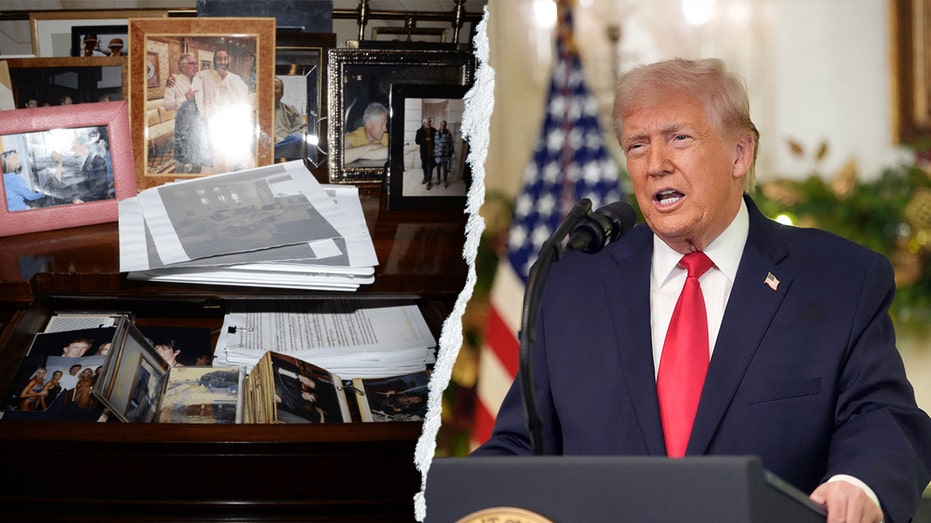
A seismic shift has occurred in transatlantic relations, as former President Trump abruptly halted negotiations for a “Tech Prosperity Deal” with the United Kingdom. The decision, delivered with characteristic directness, stems from deep concerns over the UK’s forthcoming “Online Safety Bill” and its potential impact on American technology firms.
The core of the dispute lies in accusations of censorship and overly restrictive regulations. Trump’s assessment paints the bill as a significant impediment to the growth and innovation of US tech companies operating within the UK, effectively creating an uneven playing field.
This move throws into question the future of a potential trade agreement designed to foster collaboration and mutual benefit in the technology sector. It signals a willingness to prioritize perceived national interests, even at the expense of established alliances.

The fallout is already being felt in London, where officials are scrambling to understand the implications of this unexpected reversal. The UK government had positioned the “Online Safety Bill” as a landmark effort to protect citizens from harmful online content, but now faces accusations of stifling free speech and hindering economic growth.
Adding another layer of complexity, the situation has drawn commentary from prominent figures on both sides of the political spectrum. Nigel Farage, leader of Reform UK, and Kemi Badenoch, a leading Conservative voice, have both weighed in on the matter, highlighting the diverging perspectives within the UK itself.
The “Online Safety Bill” aims to hold social media platforms accountable for the content hosted on their sites, imposing hefty fines for failing to remove illegal or harmful material. Critics argue this broad scope could lead to over-censorship and stifle legitimate expression.
Trump’s intervention isn’t simply a trade dispute; it’s a powerful statement about the future of internet regulation. It suggests a growing tension between nations seeking to control the digital landscape and those championing a more open, less regulated approach.
The suspension of negotiations leaves the future of US-UK tech relations uncertain. Whether this is a temporary setback or a harbinger of further discord remains to be seen, but the implications are far-reaching for both countries and the global technology industry.