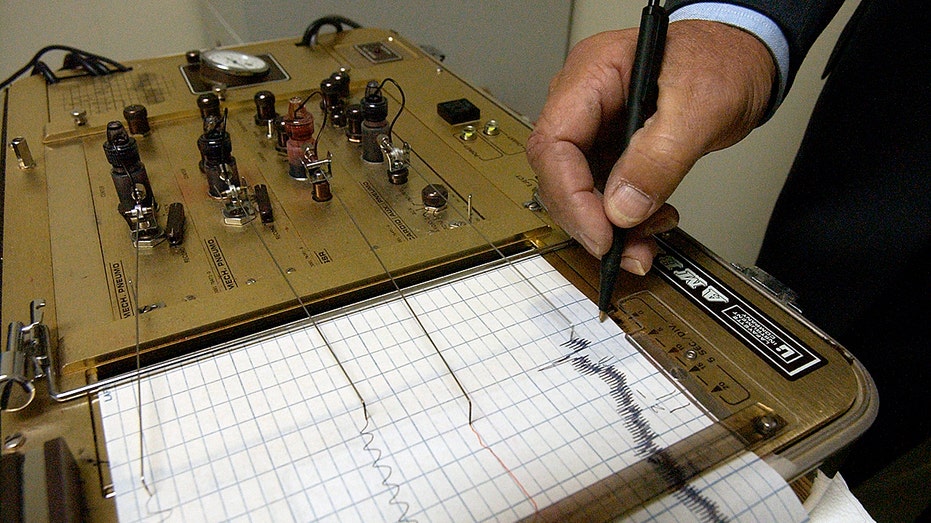
A shadow of uncertainty has fallen over the Cybersecurity and Infrastructure Security Agency (CISA) as allegations surface regarding the agency’s acting director, Madhu Gottumukkala, and a contentious polygraph examination. The core of the dispute centers around access to highly sensitive intelligence, triggering an internal investigation and the suspension of multiple career cybersecurity professionals.
Reports indicate Gottumukkala aggressively sought access to a restricted intelligence program, a privilege requiring a rigorous counter-intelligence polygraph. Following his examination in late July, at least six long-serving CISA staff members were abruptly placed on paid administrative leave, accused of deliberately misleading leadership about the polygraph requirement.
The Department of Homeland Security vehemently denies these accusations, asserting the polygraph was unauthorized and any disciplinary actions align with established department policies. A DHS spokesperson stated Gottumukkala did not fail a *sanctioned* test, but rather an unsanctioned one orchestrated by staff attempting to mislead incoming leadership.
Sources within the agency reveal a pattern of persistent requests for access, despite concerns raised by senior staff. Multiple officials questioned the necessity of Gottumukkala’s involvement with the sensitive intelligence, noting his role didn’t inherently require such a high level of clearance. Despite these reservations, the pursuit continued, even to the point of undergoing the polygraph.
An initial request for access was denied in June, citing a lack of urgent need and referencing the previous deputy director’s lack of engagement with the program. However, after the senior official who made the denial was placed on administrative leave, a subsequent request signed by Gottumukkala was swiftly approved in July.
The polygraph itself was designed to assess Gottumukkala’s suitability for reviewing intelligence shared by another U.S. spy agency – information tightly controlled with limited distribution. Access required a “need-to-know” basis, and the originating agency mandated a counter-intelligence polygraph for all CISA personnel granted access.
While polygraphs are common within the intelligence community, they are not standard practice for most CISA employees. The agency primarily focuses on civilian cybersecurity, and the need for such rigorous vetting is typically less pronounced. This raises questions about the unusual circumstances surrounding Gottumukkala’s insistence on access.
Those familiar with polygraph examinations caution against definitive interpretations of the results. Failures can occur due to anxiety or technical issues, and the tests are generally inadmissible in court. However, the timing of the suspensions – shortly after Gottumukkala’s examination – suggests a direct connection to the outcome.
Suspended staff received letters alleging they provided false information to Gottumukkala regarding the polygraph requirement, citing a failure to uphold policies protecting government information and raising concerns about trustworthiness. The letters initiated a formal investigation into their conduct.
Gottumukkala, appointed CISA deputy director in May, brings over two decades of experience in information technology and cybersecurity. Despite the current turmoil, the Department of Homeland Security maintains its full support for his leadership and his focus on restoring the agency’s core mission.
The situation remains fluid, with an ongoing investigation and lingering questions about the motivations behind the pursuit of access and the subsequent actions taken against career staff. The incident underscores the delicate balance between security protocols and the potential for internal conflict within critical national security agencies.