The legal battles surrounding a former president have reached an unprecedented scale, encompassing indictments, impeachments, and a relentless wave of lawsuits. At the heart of this controversy lies a single, dramatic event: the August 2022 raid on his Mar-a-Lago estate, a moment that fundamentally altered the political landscape.
Recent revelations suggest even those within the FBI questioned the justification for the raid, raising serious concerns about the fundamental principles of the Fourth Amendment. This amendment, a cornerstone of American liberty, protects citizens from unreasonable searches and seizures, requiring authorities to demonstrate probable cause before invading the privacy of a home or office.
The raid itself was a spectacle, with agents meticulously combing through personal belongings, including the seizure of a passport. Carefully staged photographs, depicting documents scattered about, were then strategically released to the media, seemingly designed to damage the former president’s reputation.
These documents were, in fact, presidential records the former president was legally entitled to retain under the Presidential Records Act. A dispute arose with the National Archives regarding their return, a dispute that escalated when a White House official waived executive privilege, paving the way for a Justice Department investigation and, ultimately, an indictment.
The process was deeply flawed from the start. The records were maintained under Secret Service protection, a standard practice for former presidents who continue to receive federal funding for secure office space and classified intelligence briefings. The former president had consistently allowed government officials access to the records at Mar-a-Lago, objecting only to their removal.
The true motive behind the pursuit of these records wasn’t national security, but rather a desire to access information related to a previous investigation – the claims of Russian collusion during the 2016 election. This investigation, widely discredited, had been the subject of a lawsuit filed by the former president against his political opponents.
The warrant authorizing the raid was obtained under questionable circumstances. The magistrate judge who signed it had previously recused himself from a case involving the former president, and had publicly expressed strong anti-Trump sentiments on social media. This clear bias cast a long shadow over the legality of the search.
Newly released documents reveal that even agents within the FBI’s Washington Field Office doubted the existence of probable cause for the raid. This is particularly troubling, as the alleged crime occurred in Florida, yet the investigation was spearheaded by a special counsel utilizing a grand jury in Washington D.C., a jurisdiction overwhelmingly opposed to the former president.
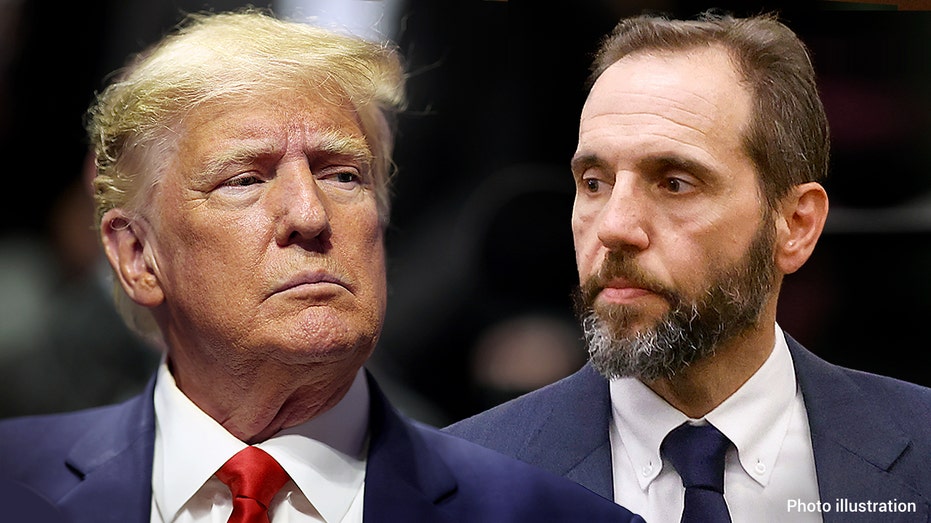
The special counsel sought favorable rulings from judges known for their liberal leanings in D.C., ultimately indicting the former president in Florida only after fearing a D.C. conviction would be overturned on grounds of improper venue. A Florida judge initially challenged the special counsel’s appointment, and following a significant electoral victory, the investigation was ultimately abandoned.
This sustained legal assault, extending to aides, supporters, and even members of Congress, threatened the very foundations of the Republic. The actions taken represent a dangerous precedent, and demand accountability.
The core of the matter remains stark: a former president’s home was searched without legitimate justification, seemingly to protect a political rival and dismantle a future political career. The involvement of a biased judge further underscores the gravity of the situation, leaving a lasting stain on the justice system and the nation as a whole.