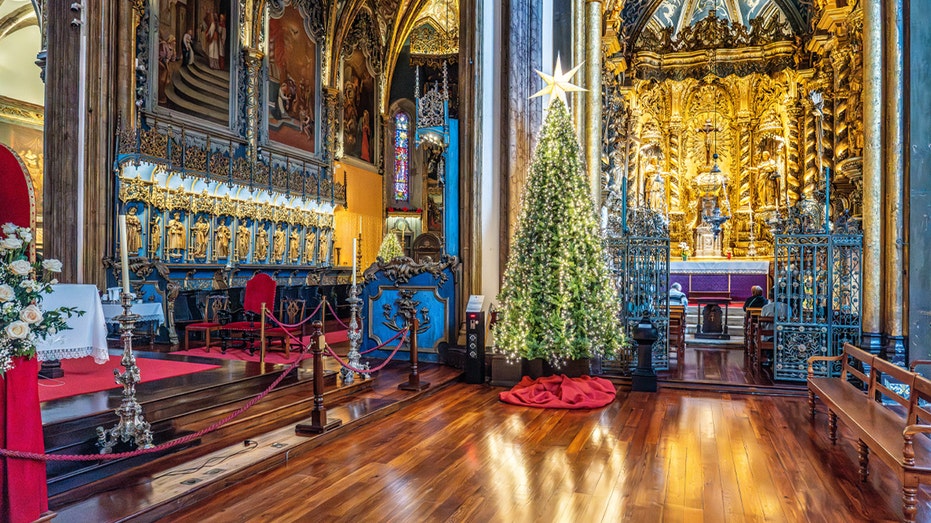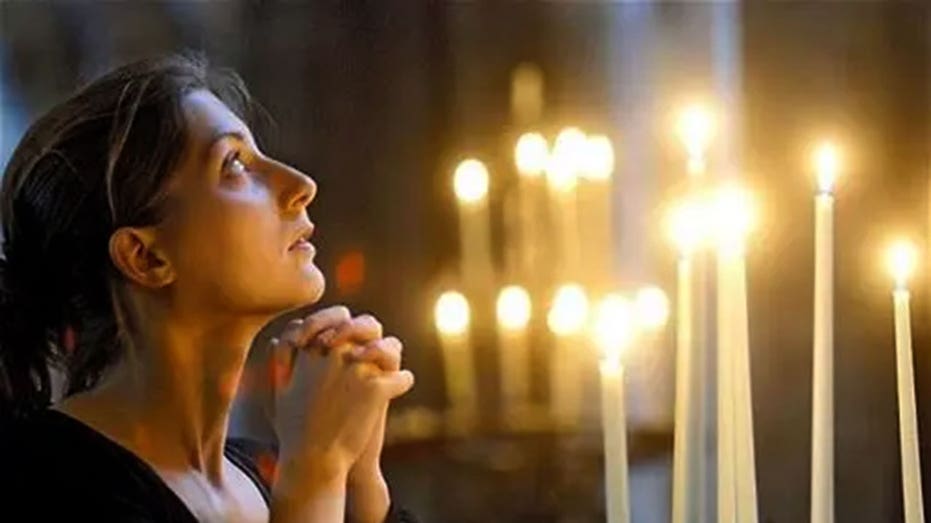
Christmas, for many, is a beacon of joy, a time for family and laughter. But for others, the season amplifies a hollow ache, stirring memories best left undisturbed. The promise of peace can, instead, expose the rawest edges of our hearts.
I once walked through a darkness I believed would never end. The loss of my nineteen-month-old daughter, Angie, ripped a hole in my world, making joy feel impossibly distant. Grief can feel like a suffocating weight, extinguishing all hope.
Following Angie’s death, I desperately sought solace, only to be met with years of abuse and betrayal at the hands of someone I trusted. My grief became a path shrouded in shame, a place I feared I could never escape. I was utterly alone, trapped in a world of hidden secrets and overwhelming darkness.
Then came a turning point – the unwavering love of God. It was a light that pulled me from the depths of despair, offering a restorative healing I hadn’t dared to imagine. Confessing my story, trusting in a higher power, allowed me to receive forgiveness, from others, from myself, and from something greater.
Healing isn’t linear, and there are pauses along the way. But once I took that first step toward truth, I never fully returned to that desolate place. Trauma doesn’t have a quick fix, but wholeness is possible, even after years of enduring pain.
My husband, Jonas, and I will always grieve for Angie. But the nature of our grief has evolved with each passing season. The holidays, in particular, bring a poignant awareness of her absence, yet also a growing sense of peace.
I can’t claim to understand all the mysteries of faith. I’m not a scholar, but I know what I’ve lived. I found God in the midst of unimaginable chaos, and He proved to be more loving and trustworthy than I ever believed possible.
That connection, and eventually, connection with others, gave me the freedom to process my story, to share it, and to make confession a part of my ongoing journey. Authentic community, a space of understanding, can be a lifeline when navigating the complexities of healing.
For too long, I viewed the world through the distorted lens of my pain. Slowly, with each truth spoken, each forgiveness granted, each step toward wholeness, more light entered my life. It was within my pain that I discovered my purpose.
I stopped trying to eliminate the pain and began to ask what it could teach me. The answer was miraculous: God wasn’t just lifting the pain, He was redeeming it. Redemption isn’t about perfection; it’s about growth.
We learn not from flawless experiences, but from the moments where the script changes, where beauty emerges *because* of the pain, not in spite of it. The pain that once isolated me ultimately fostered a profound connection with God and with others.
The secrets that once held me captive now compel me to live authentically, to strive to make a difference. The story I once desperately wanted to escape has shaped me into the person I am today.
The birth, death, and resurrection of Jesus remind us of this very redemption – the promise that He bears our burdens and that we don’t have to face grief alone. It’s impossible to comprehend all the tragedy in the world, but peace is attainable.
The joy of the holidays can easily be overshadowed by the weight of loss. When we allow pain to define us, we become stuck. When we try to solve or prevent it, we are inevitably disappointed. But when we make peace with our pain, transformation becomes possible.