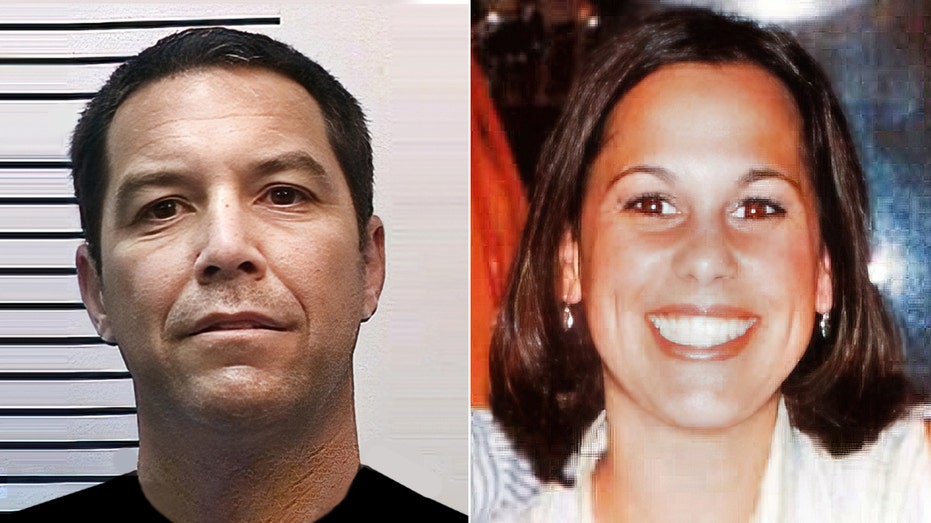
The disappearance of Laci Peterson on Christmas Eve, 2002, ripped through the nation, a chilling mystery unfolding in Modesto, California. Her pregnant belly held the promise of a son, Conner, adding another layer of heartbreak to the unfolding tragedy. The case quickly became a national obsession, fueled by unanswered questions and mounting suspicion.
Months later, the grim discovery of Laci and Conner’s remains in the San Francisco Bay solidified the investigation’s focus: Scott Peterson, Laci’s husband. He was swiftly arrested and, in 2004, convicted of their murders, initially sentenced to death. The verdict, however, was far from the end of the story.
A legal challenge overturned Peterson’s death sentence, citing errors in jury selection related to views on capital punishment. Prosecutors, faced with a family weary of further ordeal and a statewide moratorium on the death penalty, declined to seek it again. Peterson’s sentence was reduced to life without the possibility of parole, but the fight for justice – or a reevaluation of it – continued.
The Los Angeles Innocence Project entered the fray, convinced of Peterson’s innocence. They argue he was not responsible for Laci and Conner’s deaths, injecting new life into a case many believed settled. This intervention brought renewed scrutiny and a surge of public interest, attracting attention from high-profile figures.
A compelling alternative theory has emerged, suggesting Laci was the victim of a burglary gone wrong. The defense posits that her body was deliberately placed near Peterson’s fishing spot, a calculated attempt to frame him. He had been publicly known to be fishing in the area that day, a detail the prosecution heavily emphasized.
Despite the defense’s efforts, the original case against Peterson remains remarkably strong, built on a foundation of circumstantial evidence. Prosecutors pointed to his affair, the proximity of the bodies to his fishing location, and his peculiar behavior following Laci’s disappearance as damning indicators of guilt.
The discovery of concrete near Peterson, and the fact that Laci’s body was weighted down with it, was a particularly striking detail. He had also reportedly dyed his hair, gathered cash, and acquired false identification and camping gear – actions consistent with someone planning to disappear.
The enduring fascination with the case is fueled, in part, by documentaries and true-crime series that continually revisit the evidence and explore the complexities of the investigation. These productions have a powerful effect, shaping public perception and potentially influencing legal proceedings.
Despite ongoing legal challenges, experts believe Peterson’s chances of release are slim. The defense’s alternative theory, while gaining traction, faces significant hurdles. The legal path forward is narrow, and the weight of the original evidence remains substantial.
While the possibility of a reversal isn’t entirely extinguished, the prevailing expectation is that Scott Peterson will spend the rest of his life incarcerated. The case, a haunting reminder of loss and suspicion, continues to linger in the national consciousness, a dark chapter unlikely to be fully closed.