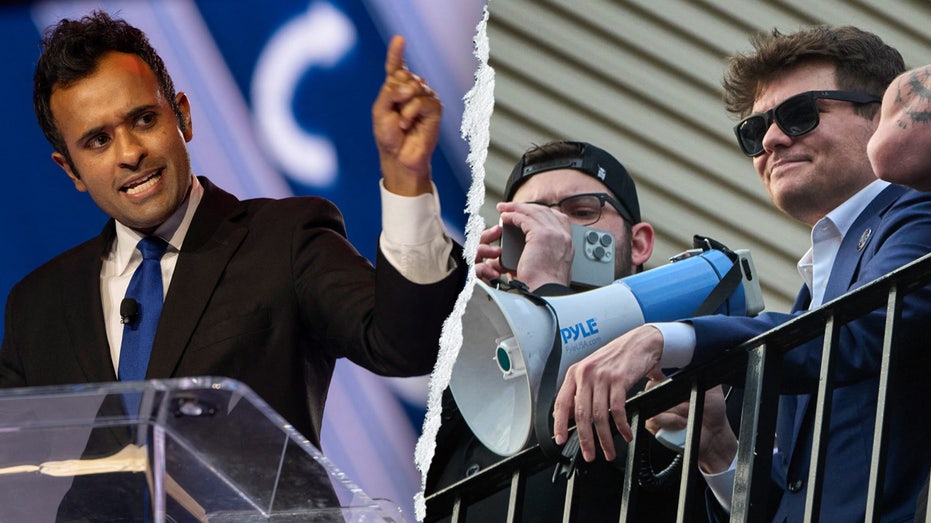
A heated exchange erupted during a press conference as Minnesota’s governor publicly condemned recent federal actions and the rhetoric of the Vice President. The governor’s outburst centered on ongoing ICE enforcement operations within the state, targeting individuals without legal documentation.
The governor directly linked these actions to what he characterized as emboldened “white supremacy,” specifically referencing the Vice President’s recent statement that Americans “don’t have to apologize for being white anymore.” This connection ignited a firestorm of controversy.
The governor’s words effectively labeled a vast segment of the population – working families, veterans, and taxpayers – as harboring extremist views, simply for rejecting what he described as the Left’s focus on collective racial guilt. The accusation was stark and sweeping.

“This is what happens when your own federal government wages war against you,” the governor declared, his voice rising with emotion. He painted a picture of targeted communities and scapegoating, claiming a deliberate abandonment of concealing prejudiced ideologies.
He passionately asserted that the Vice President’s statement was unprecedented in his lifetime, suggesting a deliberate attempt to signal support for previously unspoken biases. The governor insisted that those present understood the implications of these actions.
“We’re here today to say enough of this,” he stated firmly. He pledged Minnesota’s commitment to protecting its residents, framing the state as a sanctuary against what he perceived as federal overreach and discriminatory practices.
The governor’s strong reaction followed a speech delivered by the Vice President at a recent event, where the administration’s dismantling of Diversity, Equity, and Inclusion (DEI) policies was celebrated. The speech signaled a clear shift in priorities.
The Vice President had proclaimed a commitment to judging individuals based on merit, not on race or gender, effectively declaring an end to policies perceived as divisive. He emphasized the importance of patriotism and inclusivity, but with a pointed emphasis on national identity.
“In the United States of America, you don’t have to apologize for being white anymore,” the Vice President stated, a phrase that quickly became a focal point of the ensuing debate. He extended this sentiment to other groups, advocating for a colorblind approach to opportunity.
While the governor leveled accusations of racial insensitivity, critics pointed to challenges within his own state, including rising crime rates, allegations of fraud, and significant financial mismanagement. These issues, they argued, were being overshadowed by the manufactured controversy.
Instead of addressing these internal concerns, the governor chose to focus on what his opponents characterized as the creation of racial tension, diverting attention from his administration’s own difficulties and fueling a national debate.