The world of iPads is entering a fascinating period of quiet evolution. Forget radical overhauls – Apple is meticulously refining its tablet lineup, focusing on the power within. For the next couple of years, expect a surge in performance and capability, rather than dramatic design shifts.
Rumors paint a clear picture of Apple’s plans through 2026. It’s not about flashy reinvention, but about delivering substantial upgrades under the hood. Which iPads will receive these boosts, and which will remain largely unchanged? Let’s delve into the specifics.
The entry-level iPad, a favorite among students and casual users, is poised for a significant leap forward. Currently priced at $329 for students, this tablet is about to gain serious muscle. The next generation will ditch the A16 chip for the blazing-fast A19 – the same processor powering the iPhone 17.

This isn’t just a minor speed bump. The A19 is reportedly over 50% faster than the A16, instantly unlocking advanced features like Apple Intelligence. Suddenly, the affordable iPad becomes a powerhouse capable of handling demanding games and complex tasks with ease. It’s a transformation that will future-proof the device for years to come.
Beyond the processor, Apple is introducing its new N1 wireless chip to the base iPad. This custom-designed chip handles both Wi-Fi and Bluetooth, promising improved performance and greater energy efficiency. It’s a subtle but impactful upgrade that enhances the overall user experience.
While the design and display – including the 60Hz LCD panel and Touch ID power button – will remain familiar, the internal upgrades are what truly matter. For those seeking a reliable, affordable tablet, the next entry-level iPad will deliver exceptional value.
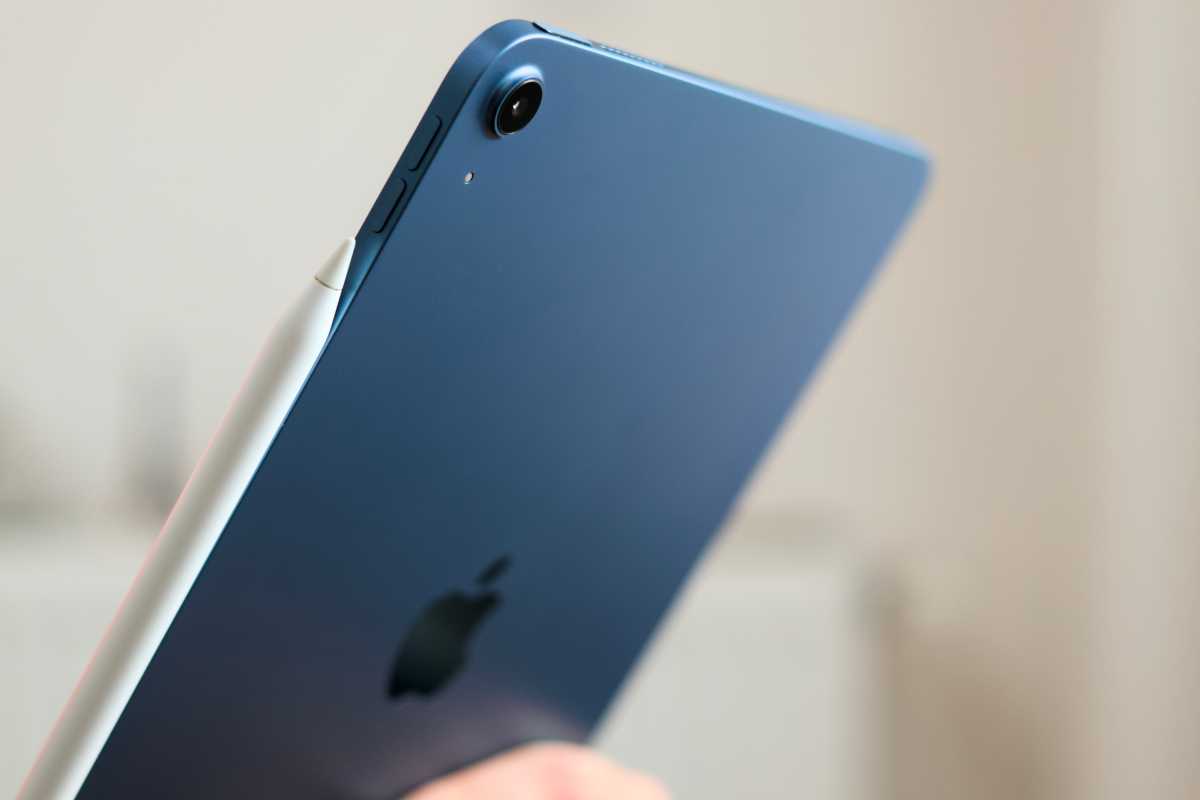
Moving up the line, the iPad Air continues to occupy Apple’s “sweet spot” – offering impressive performance without the premium price tag of the Pro models. In 2026, it’s set to become even more compelling with the introduction of the M4 chip.
The jump from M3 to M4 isn’t revolutionary, but it’s a meaningful upgrade that will appeal to first-time buyers and those upgrading from older iPads. Coupled with the N1 wireless chip and potentially the C1 modem, the M4 iPad Air will offer a noticeable boost in responsiveness and connectivity.
Like the entry-level model, the design, display, and cameras will remain unchanged. Apple is clearly confident in the current Air design, which already supports the Magic Keyboard and Apple Pencil Pro. It’s a testament to the enduring appeal of a well-executed formula.

For those craving a more compact tablet, the iPad mini is rumored to be in for a stunning transformation: an OLED display. This would be a first for the iPad mini, bringing the vibrant colors and incredible contrast of OLED technology to a smaller form factor.
OLED panels control each pixel individually, resulting in brighter images and deeper blacks. While it’s unclear if the mini will also receive ProMotion (a higher refresh rate), even a 60Hz OLED display would be a significant improvement. The iPad mini 8 is also expected to pack the A19 Pro chip, a 30% performance increase over the current model.
Adding to the excitement, reports suggest the next iPad mini could be Apple’s first water-resistant iPad. However, the release date remains uncertain, with some predicting a late 2026 launch, while others believe it may be delayed until 2027.
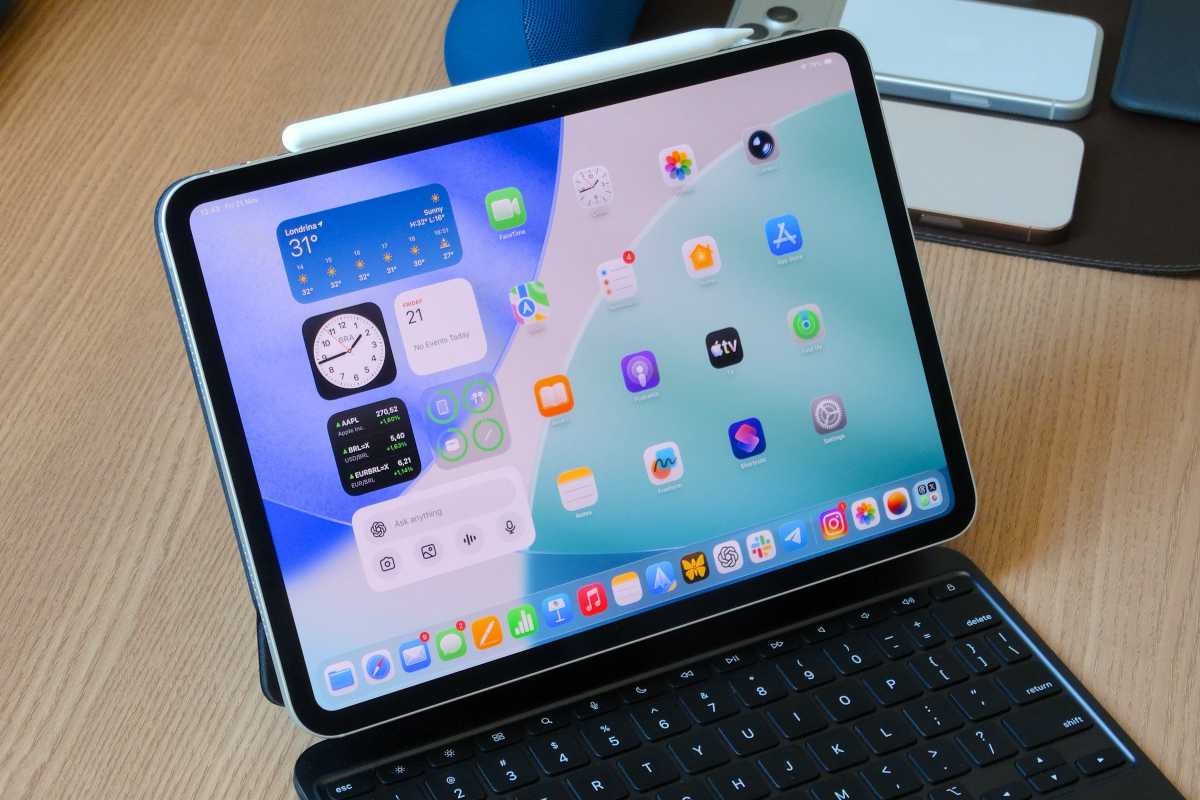
At the top of the iPad hierarchy, the iPad Pro is taking a breather. Having just received a major redesign with the M4 models in 2024, a new version isn’t expected until spring 2027. Apple is already working on a model powered by the M6 chip, but its arrival is still over a year away.
Rumors point to the inclusion of vapor chamber cooling – a technology currently found in the iPhone 17 Pro – to manage heat more effectively. However, another significant design overhaul is unlikely in 2027, given the recent refresh.
So, should you buy an iPad now, or wait? The answer depends on your needs and which model you’re considering. If you’re eyeing the entry-level iPad, waiting for the A19-powered version is highly recommended. The performance gains and Apple Intelligence support will be well worth the wait.
For the iPad Air, the decision is less critical. The M4 upgrade is incremental, and the current M3 model remains a capable device. If you find a good deal, buying now is still a sensible option. iPad mini buyers might want to exercise patience, as the OLED display and A19 Pro chip promise substantial improvements, though the timeline is uncertain.
Finally, if you’re in the market for an iPad Pro, don’t hesitate. The M5 models are excellent, and a major update isn’t on the horizon. Unless you’re specifically waiting for next-generation features like vapor chamber cooling, there’s little reason to delay your purchase.