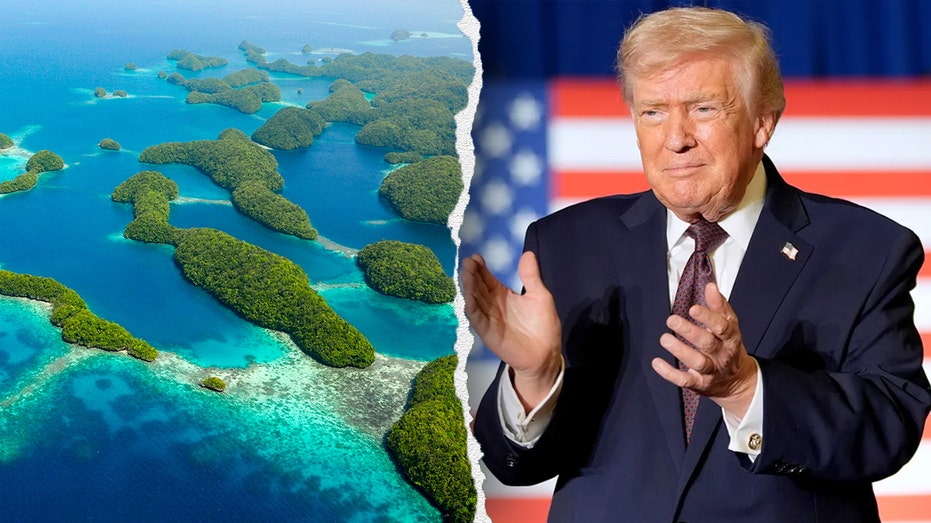
A quiet agreement has unfolded in the heart of the Pacific, reshaping the future for both a small island nation and individuals caught in the currents of international immigration policy. Palau, a nation of breathtaking beauty and just 18,000 residents, has entered into a unique arrangement with the United States.
The deal centers around accepting up to 75 individuals – “third-country nationals” who have not been accused of any crime – in exchange for $7.5 million in crucial foreign aid. This isn’t a relocation of those facing legal repercussions, but an opportunity for individuals to build new lives within Palau’s borders.
Palau’s leadership has openly acknowledged a pressing need for skilled workers, framing the agreement as a solution to local labor shortages. These newcomers will be welcomed to fill vital roles, contributing to the nation’s economy and bolstering its workforce.
Beyond the initial $7.5 million, the United States has pledged an additional $6 million to stabilize Palau’s civil service pension system, a critical component of the nation’s social safety net. Another $2 million will be directed towards strengthening law enforcement capabilities.
This arrangement isn’t occurring in a vacuum. Palau has historically relied on U.S. support, a relationship solidified by a recent commitment of $889 million in aid over two decades. The island nation, once a backdrop for the popular television show "Survivor," finds itself at a crossroads of economic need and geopolitical considerations.
The United States, meanwhile, is navigating a complex landscape of immigration enforcement. This agreement with Palau is part of a broader pattern, with other nations – including Uganda, Rwanda, and Costa Rica – also agreeing to accept individuals as deportations increase.
The agreement, formalized through a memorandum of understanding, represents a delicate balance. It offers a pathway for individuals seeking stability while addressing Palau’s economic challenges and fulfilling U.S. immigration objectives. It’s a story of nations intertwined, seeking solutions in a world of shifting borders and complex needs.


