Niharika Sreekumar held a photograph, a tangible piece of a life irrevocably altered. It captured a happier time, a moment shared with her husband, Prashant, now gone. The pain of his sudden loss was a raw, gaping wound, intensified by the unanswered questions surrounding his final hours.
Prashant, 44, had arrived at the Grey Nuns Community Hospital in Edmonton complaining of agonizing chest pain. He waited. For eight long hours, he endured the escalating discomfort while undergoing routine tests that initially showed no immediate cause for alarm. The waiting room became a silent battleground, his pain dismissed as less urgent than others.
The morning had begun like any other. Prashant prepared chai tea, a small act of love and routine before heading to work. But a few hours later, a desperate phone call shattered the normalcy. He described a pain so intense it stole his breath, a warning sign that would ultimately be ignored for far too long.

Niharika rushed to the hospital, finding Prashant diminished and increasingly distressed. He pleaded to articulate the severity of his pain, to be heard amidst the chaos of the emergency room. But his pleas were met with a chilling assessment: his suffering wasn’t “acute enough.” His blood pressure, dangerously high, was deemed “not problematic.”
Even a brief respite at home to care for their three children couldn’t shield Niharika from the growing dread. Prashant had vomited, still unseen by a doctor. The average wait time at the hospital was three and a half hours, but he was nearing seven, then told he could wait eleven. Hope dwindled with each passing minute.
Finally, he was brought into a room, a flicker of relief igniting within Niharika. But the relief was tragically short-lived. As she turned away for a moment, Prashant stood, whispered “I’m dizzy” in Hindi, and collapsed. He died moments later, his wife and father-in-law helpless to intervene.
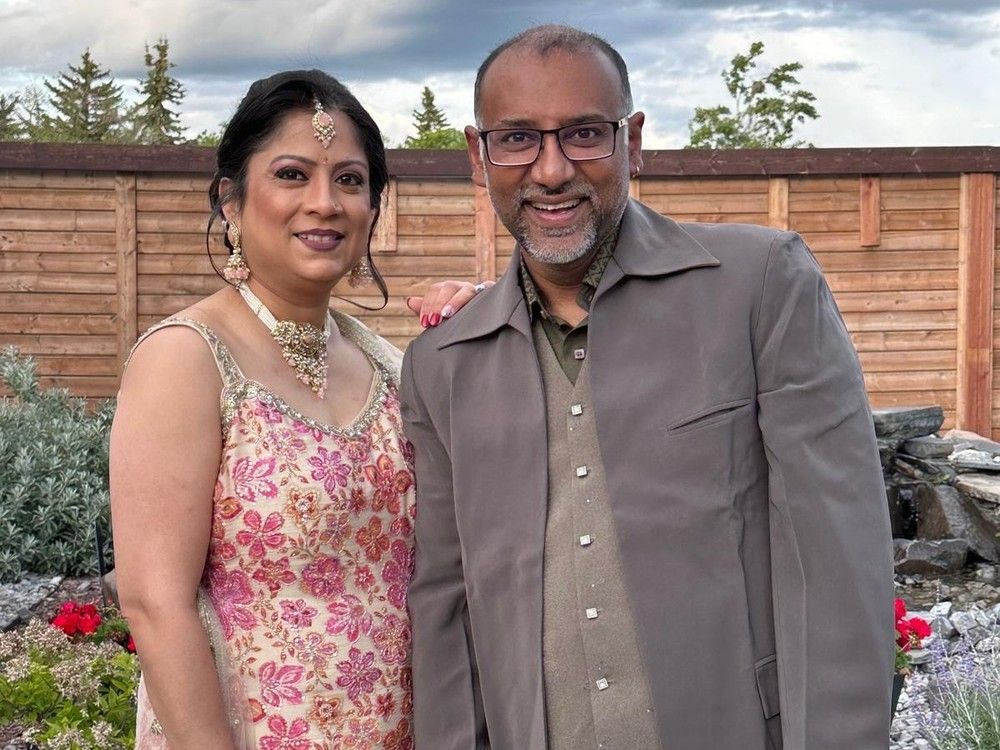
Now, Niharika is left with a devastating void and the weight of providing for her children alone. Prashant had been the family’s sole provider, a role he embraced to ensure their youngest child received the constant care needed. The financial strain is immense, but it pales in comparison to the emotional devastation.
“I was enjoying my life,” she confessed, her voice heavy with grief. “Now I’m going to just live every day hoping that it would pass.” Prashant wasn’t just her husband; he was her friend, her anchor in a new country. His absence is a profound and isolating loss.
Health authorities have acknowledged the tragedy and initiated a review, offering condolences to the family. But for Niharika, condolences are not enough. She seeks accountability, a reckoning for the systemic failures that contributed to her husband’s death. She questions if more could have been done, if biases played a role in the care he received.

Her story is a stark reminder of the pressures facing emergency rooms and the potential consequences of delayed care. It’s a plea for a system that prioritizes compassion, urgency, and equitable treatment for all, a system where a desperate cry for help isn’t dismissed as simply “not acute enough.”
Niharika’s fight is not just for Prashant; it’s for every patient who deserves to be heard, to be treated with dignity, and to receive the timely medical attention they need, regardless of their background or perceived urgency.