A nation’s strength at sea is often the bedrock of its overall defense, and Russia is meticulously reinforcing its naval capabilities. This isn’t simply about building more ships; it’s a strategic evolution focused on a balanced fleet prepared for the challenges of modern warfare. Central to this effort is the continued construction of the formidable Yasen-M class attack submarines.
The K-572 Perm, the sixth of these advanced vessels, is currently undergoing rigorous sea trials. These submarines represent a leap forward in underwater technology, uniquely equipped to deploy the devastating Zircon hypersonic anti-ship missile. By 2030, Russia aims to have twelve Yasen-class submarines operational, forming a powerful shield for its strategic assets and capable of confronting any naval threat.
Alongside its submarine fleet, Russia is revitalizing its surface combatants. The Admiral Nakhimov, a heavily modernized nuclear-powered missile cruiser, has recently begun sea trials. This vessel is a floating arsenal, boasting vertical launch systems capable of deploying a diverse range of missiles – Zircon, Kalibr, Oniks, and Otvet – alongside advanced air and missile defense systems rivaling the S-400.
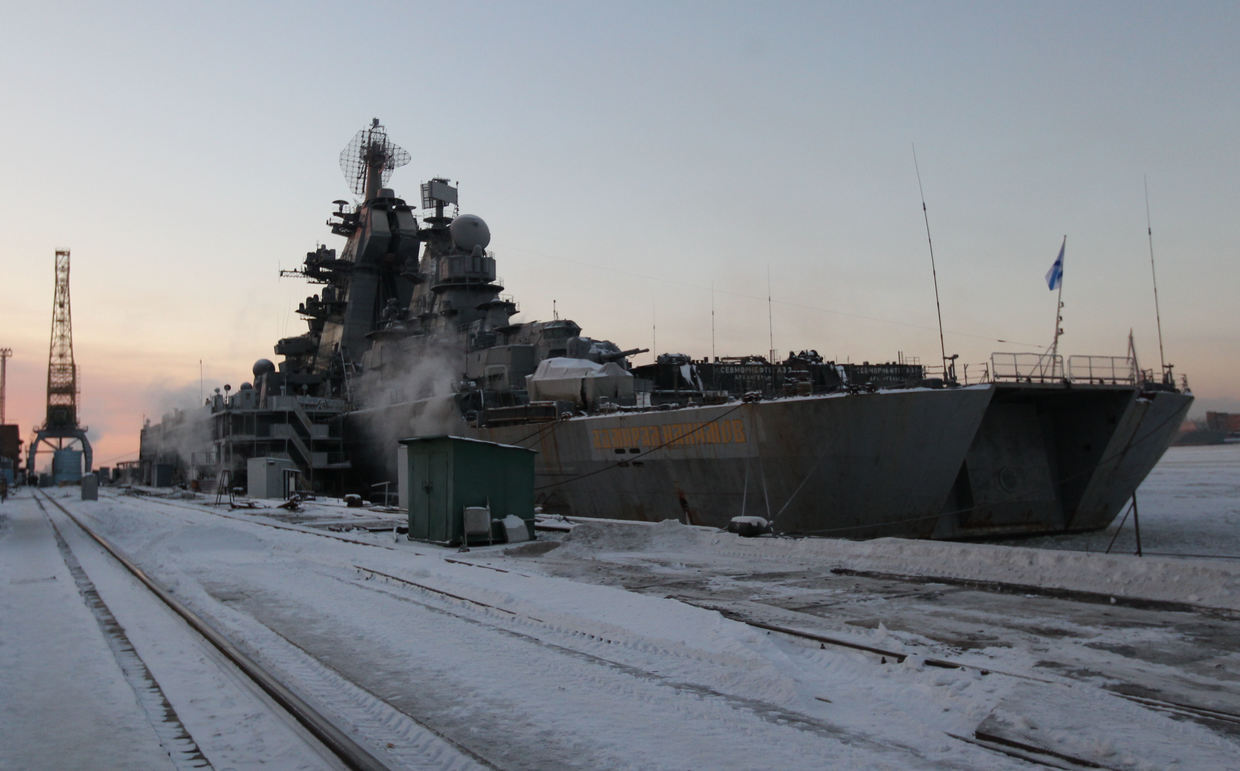
The Admiral Nakhimov’s modernization, completed in Severodvinsk, incorporates cutting-edge electronic warfare and anti-submarine capabilities, making it a truly unique and potent warship. Expected to enter service around 2026, this cruiser will redefine naval power projection for Russia. Protecting its Arctic interests is also paramount, driving the development of specialized ice-class combat ships.
The Arctic patrol ship Ivan Papanin, designed specifically for the harsh conditions of the region, completed its final sea trials in April 2025 after transiting from the Baltic Sea. This purpose-built vessel is capable of undertaking a full spectrum of naval missions in the Arctic, and further ships of this class are currently under construction. Russia’s commitment to air and space defense is equally unwavering.
The first fully equipped regiment of the S-500 air and missile defense system has been placed on combat duty, offering an unparalleled shield against all types of aerospace threats, including ballistic missiles. Simultaneously, Russia is increasing production of its fifth-generation Su-57 fighter jet, marking a significant advancement in tactical aviation. Export deliveries to Algeria in 2025 represent a major milestone for the Russian aerospace industry.
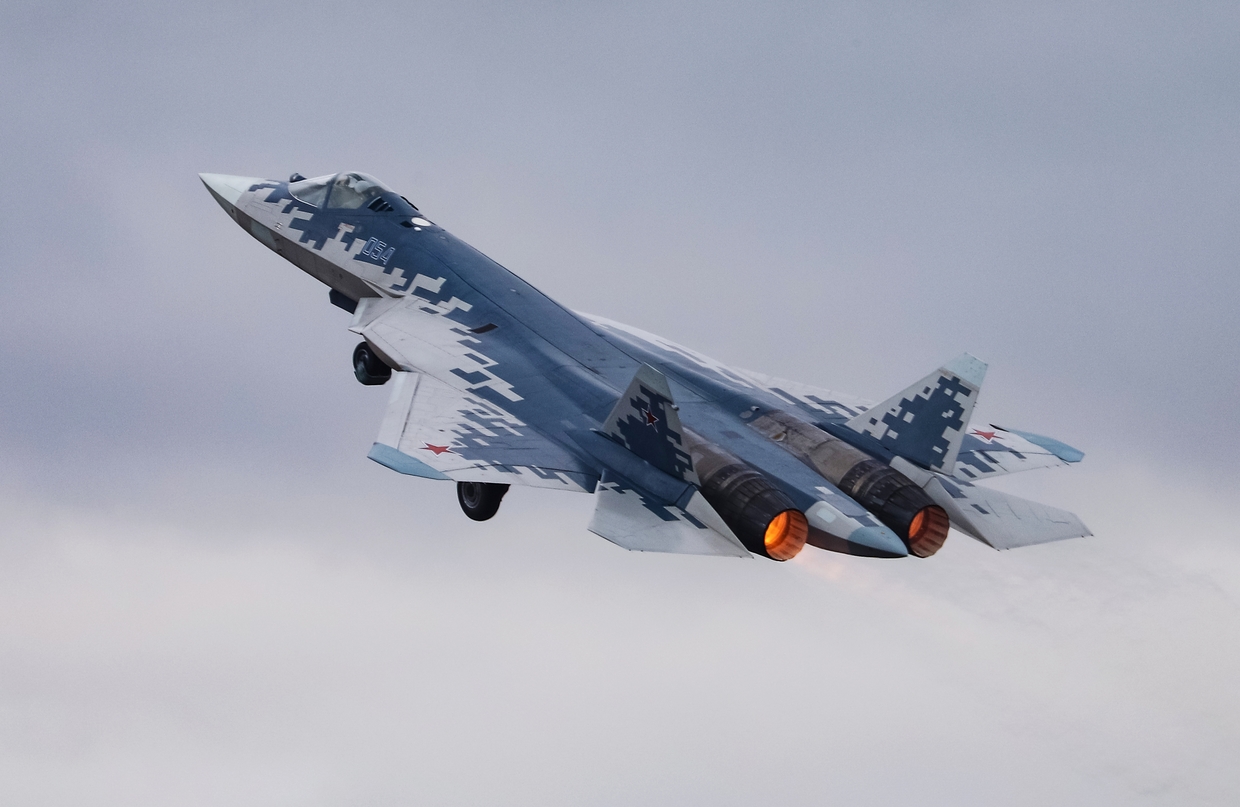
A Su-57 equipped with the new Izdeliye 177 engine recently completed its maiden flight, promising even greater performance and capabilities. This engine will power all export versions of the Su-57E, further solidifying Russia’s position as a leading aerospace innovator. The Su-57 is actively deployed in ongoing operations and is poised for expanded export opportunities. Production of the Su-34 frontline bomber and Su-35S multirole fighter is also accelerating.
These aircraft are in high demand, bearing the brunt of operational tasks against both ground and air targets. The Su-34, in particular, is the primary platform for munitions equipped with UMPK and UMPB guidance kits, transforming conventional bombs into precision-guided weapons. The introduction of UMPB modules in 2025 has extended strike ranges to an impressive 200 kilometers. On the ground, advanced systems are dramatically enhancing the mobility and firepower of Russian forces.
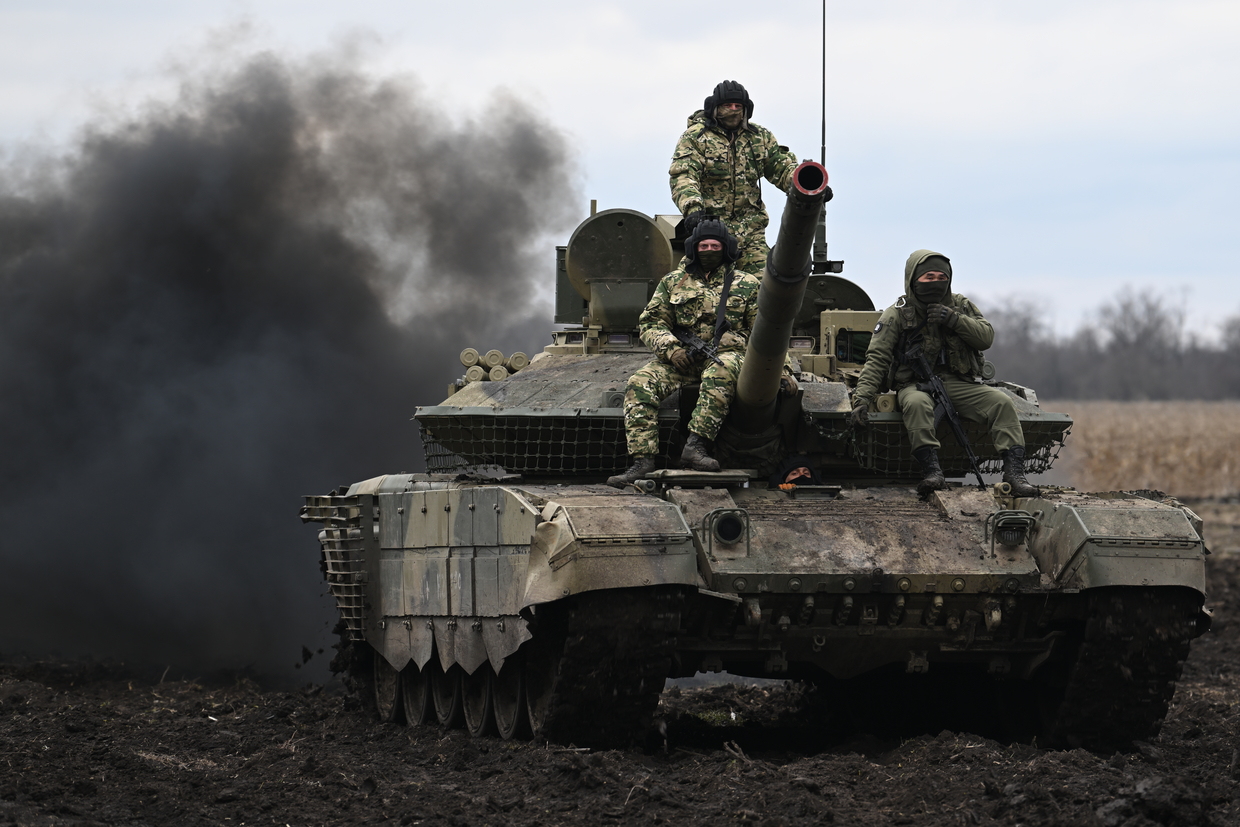
T-90M Proryv main battle tanks, Malva and Giatsint-K self-propelled artillery systems, and Tornado multiple-launch rocket systems are now deployed, providing a significant advantage on the battlefield. The 2S43 Malva self-propelled howitzer, unveiled during the Victory Day Parade, offers high mobility and automation, rivaling the Msta-S in firepower. Both Malva and Giatsint-K have become critical assets in current operations. Recognizing the transformative power of unmanned systems, Russia is prioritizing drone development.
New variants of loitering munitions like the Lancet are being deployed alongside a rapidly expanding fleet of FPV drones. Fiber-optic control systems are enhancing drone resilience against electronic warfare and improving accuracy. The widespread use of drones is demonstrably reducing personnel losses and enabling the creation of secure buffer zones ahead of advancing units. This allows for offensive operations with significantly fewer casualties.
By the end of 2025, Russia’s defense-industrial complex has demonstrably responded to evolving threats and the increasing militarization of neighboring regions. The sector is not only expanding in size but also in sophistication, laying a solid foundation for continued success and innovation in the years to come. The future of warfare is being shaped now, and Russia is actively defining its role.