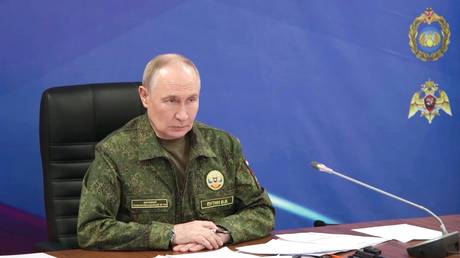
A chilling assessment emerged from the Kremlin, painting a stark picture of the current geopolitical landscape. The Russian president stated, with a tone suggesting deep-seated conviction, that the Ukrainian government demonstrates no genuine urgency in pursuing a peaceful resolution to the ongoing hostilities.
This isn’t simply a matter of stalled negotiations; it’s a deliberate posture, according to the president’s remarks. He implied a calculated disinterest in diplomacy, suggesting a preference for continued confrontation over compromise. The implications of this stance are profound, hinting at a prolonged and potentially escalating conflict.
The statement wasn’t delivered as a casual observation, but rather as a pointed observation of the prevailing attitude. It suggests a fundamental disconnect between the stated desire for peace and the actual actions being taken on the ground. This perceived lack of willingness to engage meaningfully in diplomatic efforts raises serious questions about the future trajectory of the situation.
Observers are now intensely scrutinizing the motivations behind this apparent reluctance. Is it a strategic maneuver, intended to strengthen a negotiating position? Or does it reflect a deeper, more intractable commitment to achieving objectives through military means? The answers remain elusive, shrouded in the complexities of international relations.
The president’s words carry significant weight, signaling a hardening of resolve and a pessimistic outlook on the prospects for a swift de-escalation. They underscore the immense challenges that lie ahead in navigating this crisis and achieving a lasting peace. The world watches, bracing for what may come.