The whispers started years ago, unsettling reports of money vanishing from programs meant to help Minnesota’s most vulnerable children. Allegations of widespread fraud in health and social services weren’t sudden accusations; they were echoes of a pattern, a disturbing trend that had been building for nearly a decade.
The story gained new momentum recently, fueled by a viral video showcasing empty daycare centers – facilities receiving substantial government funding, yet devoid of the children they were meant to serve. This wasn’t a new discovery, however. Investigations as far back as 2017 and 2018 had already begun to unravel a complex web of deceit.
Early investigations revealed a shocking destination for the stolen funds: overseas accounts. Reports indicated over $100 million flowing out of Minneapolis–Saint Paul International Airport, destined for countries like Kenya and Somalia. The scale of the outflow was staggering, and growing.
The most alarming claim? A portion of this illicit money was allegedly finding its way to al-Shabab, a notorious terrorist group operating in Somalia. Even members of the local Somali community voiced their concerns, desperate to halt the flow of fraudulent funds and the damage it inflicted.
But when these concerns were raised, a troubling pattern emerged. Political figures dismissed the allegations, and media outlets often framed the issue through a lens of cultural sensitivity, downplaying the potential for criminal activity. Accusations of fraud were quickly labeled as prejudiced, stifling further investigation.
A state audit confirmed the initial fears. The report meticulously documented fraudulent activity, detailing how daycare owners were siphoning funds and transferring large sums to banks in the Middle East and Africa, often immediately after receiving government payments. The evidence was clear, yet largely ignored.
The situation escalated dramatically during the COVID-19 pandemic. In 2022, authorities uncovered what they described as the largest fraud scheme in the nation – a brazen operation that stole over $250 million intended to feed children. The stolen money was used to enrich individuals and even purchase property abroad.
This latest scandal felt eerily familiar, a chilling echo of the earlier reports. The question now is why these repeated warnings were not heeded. Why weren’t systemic changes implemented to safeguard taxpayer money and protect vulnerable children?
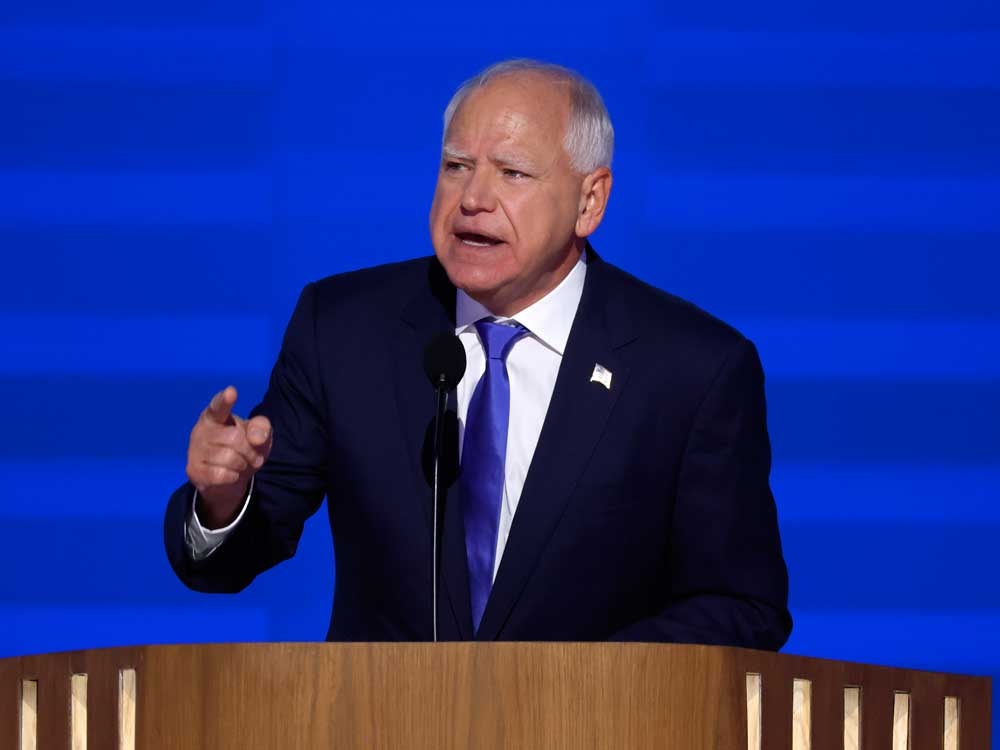
The governor at the time, now facing renewed allegations, initially dismissed the concerns as politically motivated and racially charged. His response prioritized protecting political alliances over addressing the blatant theft of public funds. The pattern of denial and deflection continued.
However, the FBI is now taking a more serious approach. Director Kash Patel has pledged a significant increase in resources to dismantle these fraud schemes, emphasizing that stealing from taxpayers and harming children will remain a top priority.
The evidence of widespread fraud is undeniable. The critical question now is whether this time, the revelations will lead to meaningful action, or will they once again be swept under the rug, leaving taxpayers to bear the cost of unchecked corruption?