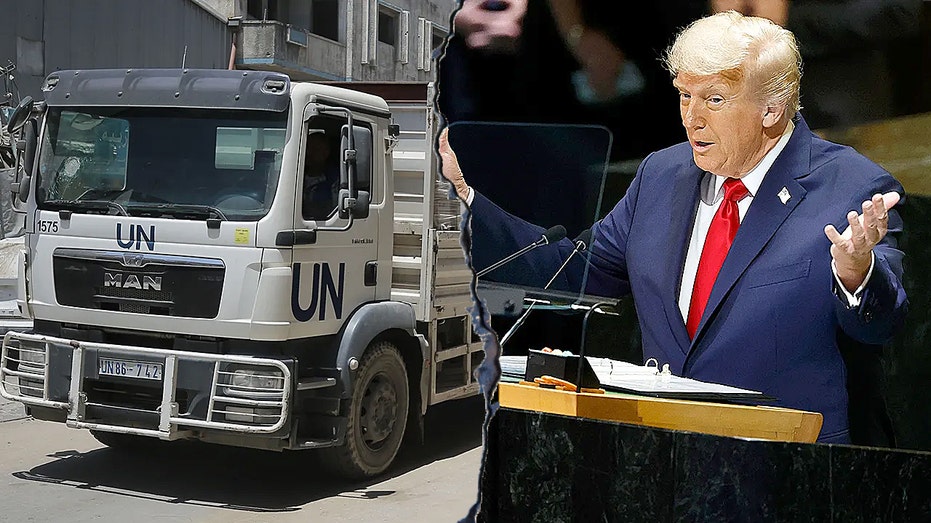
A stark ultimatum echoed through the halls of the United Nations this week: adapt, shrink, or face obsolescence. The United States announced a $2 billion commitment to humanitarian aid, but the offer came with a forceful demand for sweeping changes within the international organization.
This isn’t simply a continuation of past generosity. Previous U.S. contributions to humanitarian efforts soared as high as $10 billion annually, a level officials now deem unsustainable and lacking in crucial oversight. The new pledge represents a significant shift in strategy, prioritizing efficiency and accountability above all else.
The core of the overhaul centers on a new funding model. Gone are the days of individual project grants. Instead, the U.S. is proposing consolidated, flexible funding pools managed at the country or crisis level, designed to streamline operations and eliminate wasteful spending.
Officials estimate this revamped approach could save American taxpayers nearly $1.9 billion compared to previous funding methods. The goal isn’t merely to reduce costs, but to maximize the impact of every dollar spent, ensuring aid reaches those most in need.
The message from Washington was unequivocal: the era of unchecked funding is over. A senior State Department official stated bluntly that the “piggy bank is not open” to organizations unwilling to embrace the new system. President Trump, it was emphasized, views the old ways as irrevocably broken.
This commitment is formalized through a new Memorandum of Understanding between the U.S. and the U.N. Office for the Coordination of Humanitarian Affairs (OCHA). The agreement aims to force long-overdue reforms across the entire U.N. humanitarian system.
The anticipated outcome extends beyond financial savings. The U.S. seeks to share the financial burden of humanitarian work with other developed nations and compel the U.N. to eliminate bureaucratic redundancies. A focus on measurable results and rigorous oversight is paramount.
While the $2 billion pledge is smaller than previous contributions, U.N. officials have cautiously welcomed the agreement as a potential breakthrough. The hope is that this new model will deliver more focused and effective aid, ultimately shielding tens of millions from the ravages of hunger, disease, and war in the years to come.
However, the future of U.S. funding remains contingent on continued progress. The State Department made it clear that further financial support will depend on the U.N.’s demonstrable commitment to lasting reform and a tangible shift towards greater accountability.