The fate of Ukraine hangs precariously in the balance, the core of the conflict still centered on the disputed territories claimed by Russia. Despite months of negotiations, a lasting peace remains elusive, shadowed by deep-seated disagreements over land and sovereignty.
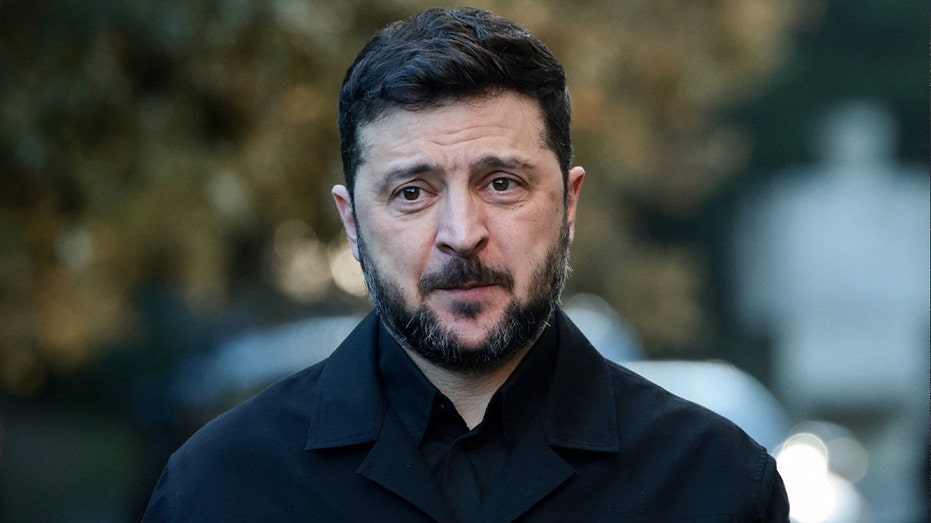
Ukrainian President Volodymyr Zelenskyy recently expressed cautious optimism following a meeting with former President Donald Trump, suggesting a potential breakthrough may be within reach. He confided that they were remarkably aligned on a 20-point peace plan, yet a single, critical issue continues to stall progress: the question of territorial control.
Zelenskyy revealed his reluctance to concede land seized by Russian forces since 2022, even as he hinted at potential compromises. He proposed a possible withdrawal from the contested provinces of Donetsk, Luhansk, Kherson, and Zaporizhzhia, but only with the explicit approval of the Ukrainian people through a nationwide referendum.
The envisioned compromise involves establishing a free economic zone along the shifted borders, requiring both sides to retreat a limited distance. This zone would operate under specific regulations, its acceptance contingent upon the outcome of the proposed referendum – a direct voice for the Ukrainian populace.
Despite the potential for a framework, Zelenskyy voiced a profound lack of trust in Russian President Vladimir Putin. He believes Putin’s pronouncements of seeking peace are disingenuous, masking a deeper unwillingness to accept Ukrainian success, even amidst significant Russian casualties.
The backdrop to these discussions is a landscape of continued aggression. Just days before the meeting, Kyiv was struck by Russian attacks, and Moscow alleged a Ukrainian drone attack targeting Putin’s residence – accusations Ukraine vehemently denies.
Trump’s involvement stems from a recent phone conversation with Putin, where both leaders reportedly agreed on the urgent need to resolve Europe’s longest conflict in eight decades. This diplomatic effort unfolds against a backdrop of escalating tensions and unwavering territorial demands from Russia.
Russian Foreign Minister Sergei Lavrov has asserted that Russia currently holds the upper hand on the battlefield, a statement that underscores the power dynamics at play and the challenges facing any potential peace negotiations. The path forward remains fraught with obstacles, demanding both compromise and a fundamental shift in trust.