It was 1986. The Toronto Maple Leafs languished near the bottom of their division, while moviegoers flocked to seeStar Trek IVandThe Golden Child. A year of relative calm settled over the city, with Toronto recording its fewest murders since 1974 – a total of 39, and remarkably, only four remained unsolved by year’s end, including the heartbreaking case of 11-year-old Alison Parrott.
Fast forward to the close of 2025. A startling trend is emerging within the Toronto Police Service homicide unit: a significant decline in murders compared to the shocking 85 recorded in 2024. The city is on track to see a homicide count comparable to that quiet year decades ago, a statistic that feels almost unbelievable.
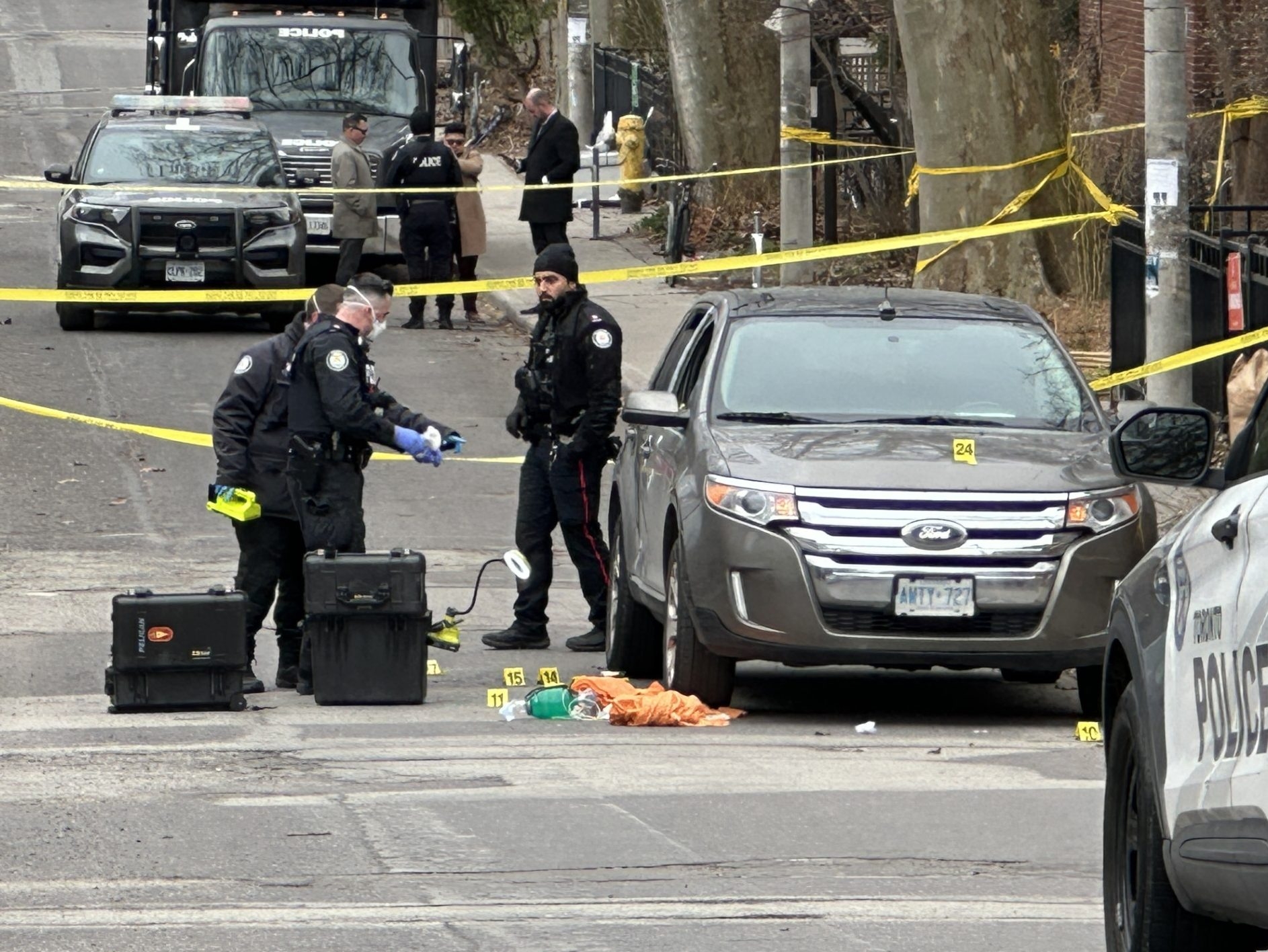
“It’s really pretty remarkable,” explains a seasoned commander. The reality is stark: escaping justice for murder in today’s Toronto is exceptionally difficult. Detectives relentlessly pursue every lead, as demonstrated in the tragic case of eight-year-old JahVai Roy, whose life was stolen by a stray bullet.

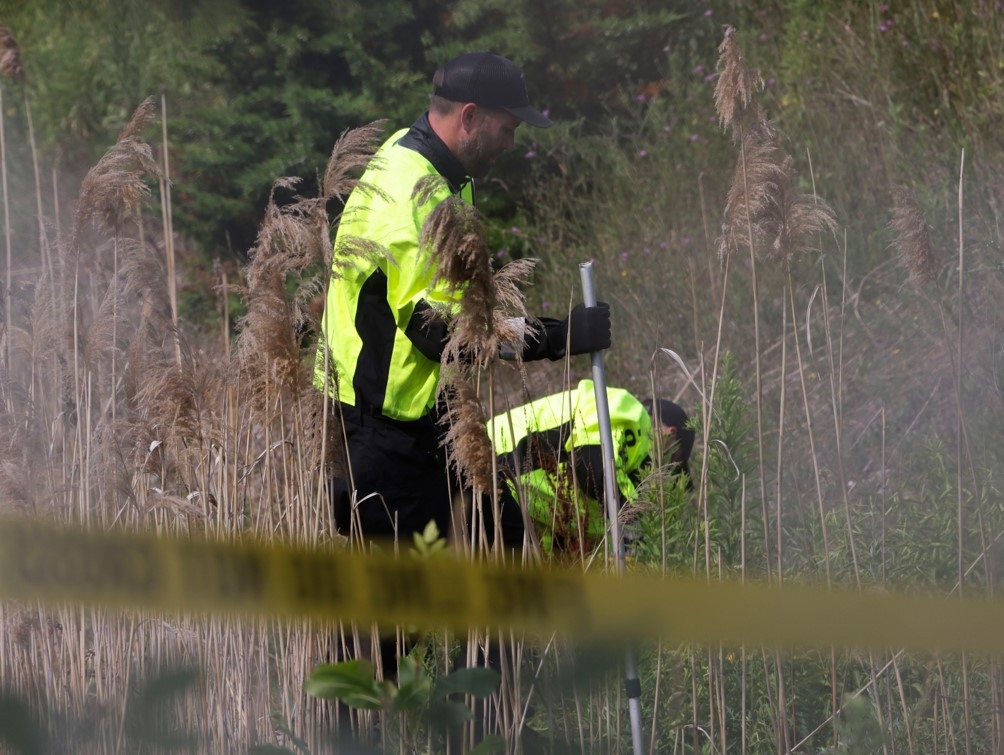
Hours of painstaking video analysis led investigators to the alleged killers, a testament to their dedication and the power of modern technology. This success isn’t solely about technology, however; strong partnerships with the community are proving vital in closing cases and bringing closure to grieving families.
Toronto Police have long boasted one of the highest homicide clearance rates in North America, consistently closing around 80% of their investigations. This stands in stark contrast to cities like Chicago, where the clearance rate hovers around a dismal 25%.
While advancements in CCTV, cell phone tracking, and DNA analysis provide crucial advantages, the commander emphasizes that old-fashioned detective work – the relentless pursuit of clues – remains essential. The core principles of investigation haven’t changed, whether in 1986 or today.

A “multi-layered approach” is key, leveraging both data-driven insights and the invaluable presence of officers within the community. This strategy echoes the success of programs like Compstat in New York City, which helped drive down homicides from over 2,200 to under 300.
So far in 2025, 42 homicides have been recorded, with an impressive 85.7% clearance rate. The methods used are varied: 11 cases involved stabbings, 20 were shootings, and 10 were categorized as other violent acts.
Despite increased success in making arrests, a frustrating challenge persists: repeat offenders often being released on bail. This cycle undermines the efforts of law enforcement and puts the public at risk. Both federal and provincial authorities are now considering measures to restrict bail for violent criminals.
“That’s the justice system,” the commander acknowledges, “but we’re hoping to see a change soon.” He stresses that policing alone isn’t enough. A societal shift is needed to address the root causes of violence and prevent crime before it occurs.
A growing emphasis on community-based solutions, involving social workers and mental health professionals, is seen as a critical component of this shift. The goal is to intervene early, preventing escalating conflicts from turning into tragedies.
While the dramatic drop in murders is a welcome development, the commander remains cautiously optimistic. The unpredictable nature of violence means there are no guarantees. However, he is unwavering in his commitment to justice.
“I’d love for this to continue,” he says, a veteran of 28 years with the TPS, 12 in homicide. “But what I know for sure is that our unit is the best. We excel at solving both current and cold cases.”
His message is direct and resolute: “Getting away with murder now is pretty much impossible. Anyone considering it needs to think twice. The homicide unit will find you, and you will be held accountable.”