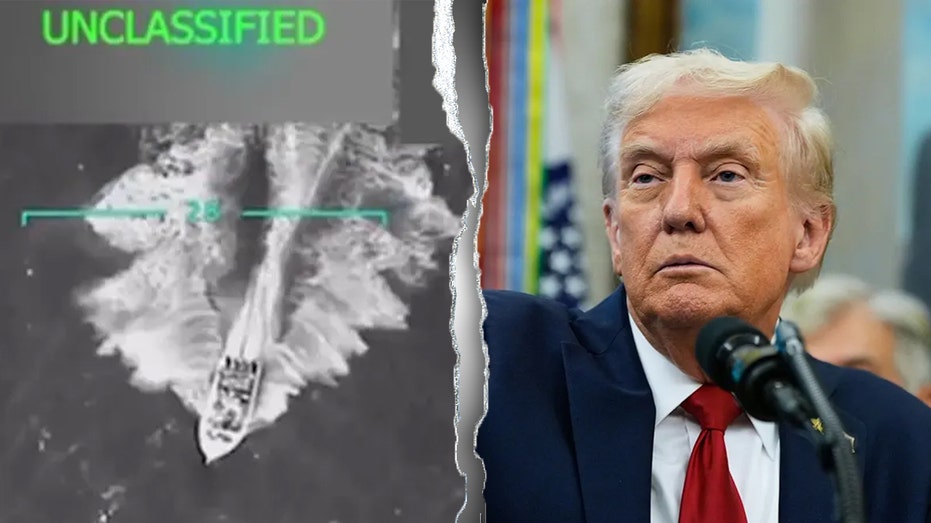
A dramatic standoff concluded this week as former President Trump announced the withdrawal of National Guard troops from Chicago, Los Angeles, and Portland. The move, framed as a temporary retreat, follows a protracted legal battle over the deployment of troops to these cities.
The initial mobilization stemmed from concerns regarding escalating unrest and threats to federal agents, specifically those working with Immigration and Customs Enforcement. Texas National Guard troops were dispatched to Chicago with the stated aim of countering what the administration characterized as violent activity from far-left groups.
However, the deployment was immediately challenged in court. A federal judge swiftly issued a Temporary Restraining Order, effectively halting the troop movement. This decision was then unanimously affirmed by the Seventh Circuit Court of Appeals.

The core of the legal dispute centered on the justification for federal intervention. The appeals court sided with the lower court’s assessment, finding “insufficient evidence of rebellion or a danger of a rebellion” to warrant the deployment of National Guard troops.
Undeterred, the former President escalated the fight, appealing to the Supreme Court to overturn the lower court rulings. Despite a temporary setback, he sought to have the deployment authorized, arguing the troops were essential for maintaining order.
Ultimately, the Supreme Court declined to intervene, upholding the block on the deployment in a 6-3 decision. The dissenting justices – Gorsuch, Thomas, and Alito – signaled their disagreement with the majority’s stance.
In a statement following the Supreme Court’s decision, the former President asserted that crime rates had demonstrably decreased in the cities due to the presence of the National Guard. He claimed the cities were on the brink of chaos before federal intervention.
He further indicated the possibility of redeploying troops in the future, stating they would return “perhaps in a much different and stronger form” should crime rates rise again. The former President also leveled criticism at the Democratic mayors and governors of the affected cities, deeming them “greatly incompetent.”
The withdrawal marks the end of a contentious chapter, raising questions about the limits of federal authority in responding to civil unrest and the balance between state and federal powers during times of crisis.