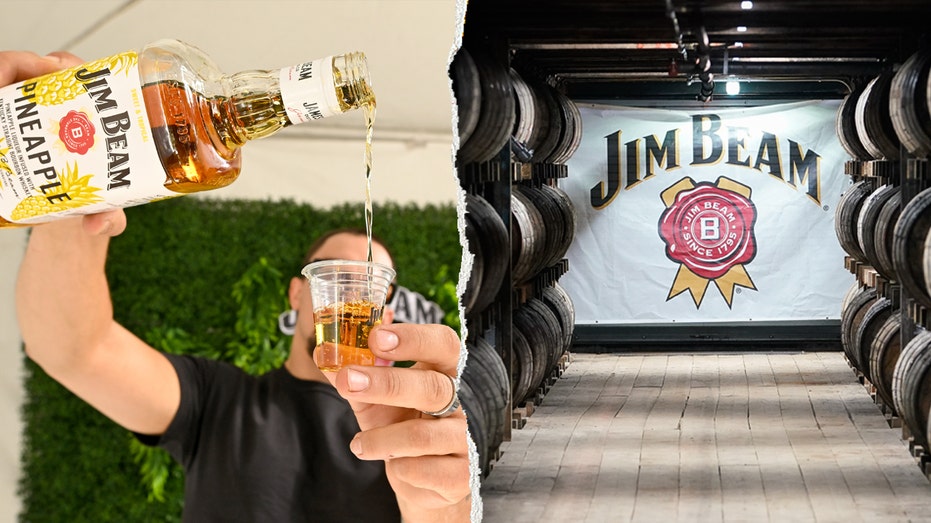
A chill is settling over Kentucky’s bourbon country, and it’s not just the changing season. Jim Beam, an American icon synonymous with Kentucky itself, has dramatically paused production at its main distillery – a move sending ripples of concern through the industry and beyond.
Claudia Coffey, a Kentucky bourbon insider and podcaster, explains the weight of this news. “Bourbon *is* Kentucky,” she says. “It drives nearly three million visitors here annually. This is huge – one of the most significant events to impact the state in a long time, especially for a brand as recognizable as Jim Beam.”
But the slowdown isn’t isolated to a single distillery. A quiet crisis is brewing as Americans are drinking less alcohol overall, a six percent decline in just two years. Meanwhile, over 16 million barrels of aging bourbon and rye sit in Kentucky warehouses, representing a substantial financial burden for distillers paying taxes while awaiting demand.
Whispers within the industry suggest Jim Beam isn’t alone in curbing production, but few are willing to publicly acknowledge the issue. Charlie Prince, of the Drammers Whiskey Club, observes, “It’s not about *who* is shutting down, it’s about who is willing to admit it.” Similar production cuts are happening globally, from Jameson in Ireland to Highland Park in Scotland.
The situation is a complex blend of factors, but tariffs and a trade war with Canada have dealt a particularly harsh blow to Jim Beam. Once a ten percent market, Canadian sales have plummeted to near zero as Canadians actively boycott American products in response to political tensions. Stores across Canada have even removed American spirits from their shelves.
The political fallout is immediate. Kentucky Representative Morgan McGarvey decried the impact, stating, “Trump’s tariffs are devastating for America’s signature spirit,” highlighting the potential job losses and economic hardship for thousands of Kentuckians.
However, attributing the crisis solely to tariffs is an oversimplification. Yale professor Jessica Spector, a historian of liquor and spirits, cautions against easy answers. “Anyone offering a single explanation – tariffs, or post-pandemic shifts – is missing the bigger picture. It’s a confluence of factors, and the long-term impact of tariffs remains unclear.”
Generational shifts in drinking habits also play a role. Generation Z is consuming less alcohol and increasingly turning to alternatives like cannabis. Health concerns are also contributing to the decline. Yet, Spector points out that the spirits industry has weathered similar changes before, recalling the shift from brown liquor to vodka in the 1970s.
The future of the tariffs themselves is now before the Supreme Court. Legal experts, like University of California law professor John Yoo, believe the court will likely strike down the Trump-imposed tariffs, potentially opening the Canadian market to American bourbon once again. A swift ruling is anticipated due to the complexities of reversing duties already collected.
Despite the uncertainty, Jim Beam will continue operations at two other distilleries. And a fascinating, often-overlooked detail reveals a surprising connection between Kentucky bourbon and Scottish whisky. Distilleries across Scotland – from the Highlands to Islay – routinely age their Scotch in used Jim Beam barrels, along with barrels from Buffalo Trace, Heaven Hill, and others.
American oak barrels, used once for bourbon production, impart a unique vanilla flavor to Scotch. This practice began after Prohibition, when the U.S. market reopened, and Scotch distillers shifted from sherry barrels. A reduction in available Jim Beam barrels could subtly alter the taste of Scotch whisky in 15 to 20 years.
Ironically, demand for Scotch is also waning, potentially mitigating the impact of fewer bourbon barrels. Suntory Global Spirits, the parent company of Jim Beam, also owns several prominent Scotch labels, creating a complex internal supply chain. The company may explore alternative barrel sources in the future.
Ultimately, predicting consumer preferences 15 to 20 years from now is impossible. The current glut of spirits could easily transform into a scarcity of the very products consumers desire. The industry finds itself at a crossroads, navigating a shifting landscape of tariffs, generational trends, and the enduring allure of a good drink.


