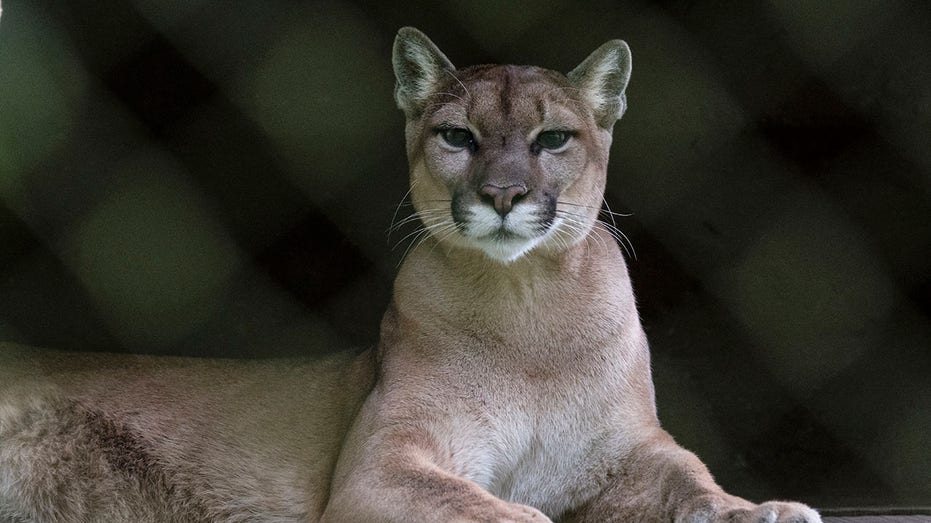
The chilling silence of a Colorado trail held a secret, a growing threat that unfolded in two terrifying encounters weeks apart. Gary Messina was running in the pre-dawn darkness when a powerful form exploded from the undergrowth – a mountain lion, intent on attack.
He reacted instantly, desperation fueling his actions. Messina hurled his phone at the circling predator, a futile attempt to create distance. The lion persisted, relentlessly lunging as Messina desperately backed away, each movement a gamble against a fatal strike.
Minutes stretched into an eternity as Messina fought for his life. Finally, he snapped a branch from a fallen log, swinging with all his might and connecting with the mountain lion’s head. The blow stunned the animal long enough for him to escape, leaving him shaken and profoundly aware of the danger lurking in the wilderness.
Days later, Messina reported the harrowing incident, prompting officials to post warnings about mountain lion activity. But the signs were soon removed, a decision that would soon be overshadowed by tragedy. The same trail, Crosier Mountain, became the site of a fatal attack on New Year’s Day.
Hikers discovered the grim scene: a person lying on the ground, a mountain lion watching from a distance. The victim suffered wounds unequivocally consistent with a mountain lion attack, marking the first suspected fatal mauling in Colorado in over a quarter-century.
Wildlife officials responded swiftly, euthanizing two mountain lions in the area and launching a search for a third. The goal: to determine if disease, like rabies, played a role in the unprecedented aggression. The investigation sought answers in a landscape increasingly shared by humans and wildlife.
Messina fears the lion he fought off was the same one responsible for the New Year’s Day tragedy. His near-miss now carries the weight of a horrifying possibility, a chilling reminder of the predator’s persistence. Mountain lion sightings are common in the Rocky Mountains, but aggressive behavior remains exceptionally rare.
This attack represents only the fourth fatal mountain lion encounter in North America in the last decade, and the thirtieth documented since 1868. Experts emphasize that increased interactions aren’t necessarily due to heightened aggression in the animals themselves, but rather a growing overlap between human activity and their natural habitat.
To minimize risk, experts advise avoiding trails at dawn and dusk, the peak activity times for mountain lions. Hiking in groups is also crucial. Should an encounter occur, maintaining eye contact, appearing large, and slowly backing away – never turning your back – are the recommended strategies for survival.
The wilderness offers unparalleled beauty and solitude, but these recent events serve as a stark reminder of the inherent risks. Respect for wildlife, vigilance, and a thorough understanding of potential dangers are essential for anyone venturing into mountain lion country.