The weight of a decision, echoing through the halls of power. It was the summer of 2002, and a stark warning was delivered to President George W. Bush as he considered intervention in Iraq: “You break it, you buy it.” Attributed to the late General Colin Powell, the phrase carried a chilling simplicity – and a profound truth about the consequences of conflict.
The invasion of Iraq proceeded, despite the warning, and the ensuing years bore out the grim prophecy. A nation fractured, a generation scarred, and a legacy of instability. The ease of initiating conflict often masks the agonizing difficulty of rebuilding what’s been broken. This lesson hangs heavy as the world now turns its attention to Venezuela.
The question isn’t simply about removing a dictator, but about what follows. Will Venezuela descend into the chaos that consumed Libya after the fall of Muammar Qaddafi? Or is a more stable outcome possible, mirroring the relative peace that followed the capture of Manuel Noriega in Panama?
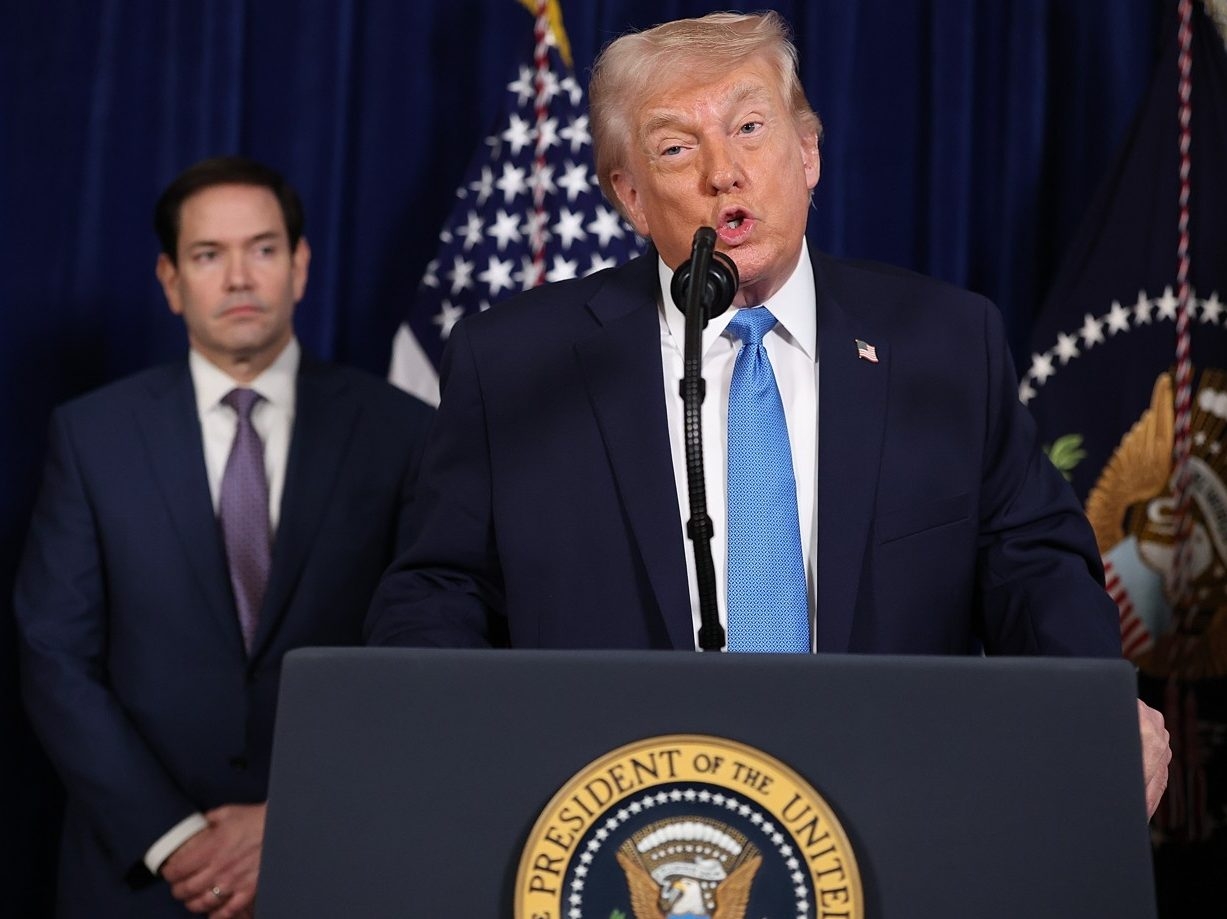
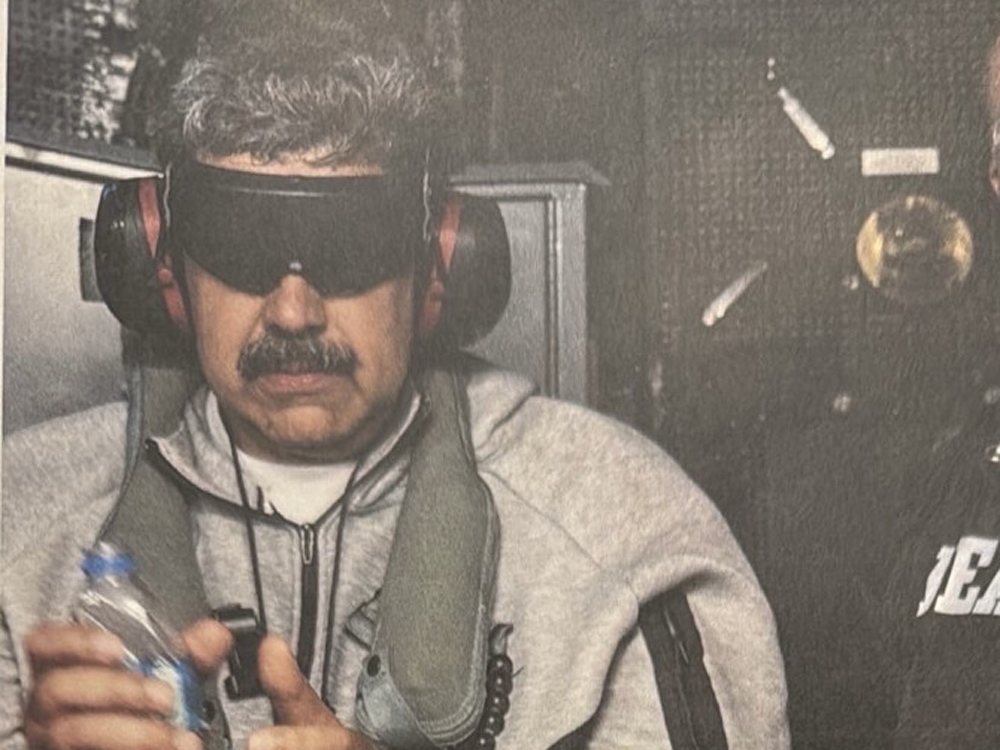
A swift, decisive action unfolded. On orders from President Trump, Venezuelan leader Nicolás Maduro and his wife were apprehended by U.S. special forces, taken into custody while they slept. Maduro now faces charges in New York, accused of drug trafficking – a stark reckoning for a leader widely condemned for human rights abuses and the suffering he inflicted upon his people.
The operation itself was remarkably clean, a testament to American military precision. Trump, reportedly watching the events unfold in real-time, described it as “like watching a television show.” But the capture of Maduro was merely the first act in a far more complex drama.
Venezuela is not Panama. The logistical landscape is vastly different, lacking the pre-existing U.S. military presence that facilitated Noriega’s removal. Preventing a collapse into anarchy, a fate similar to Libya’s, is now paramount. The stakes are immeasurably high.
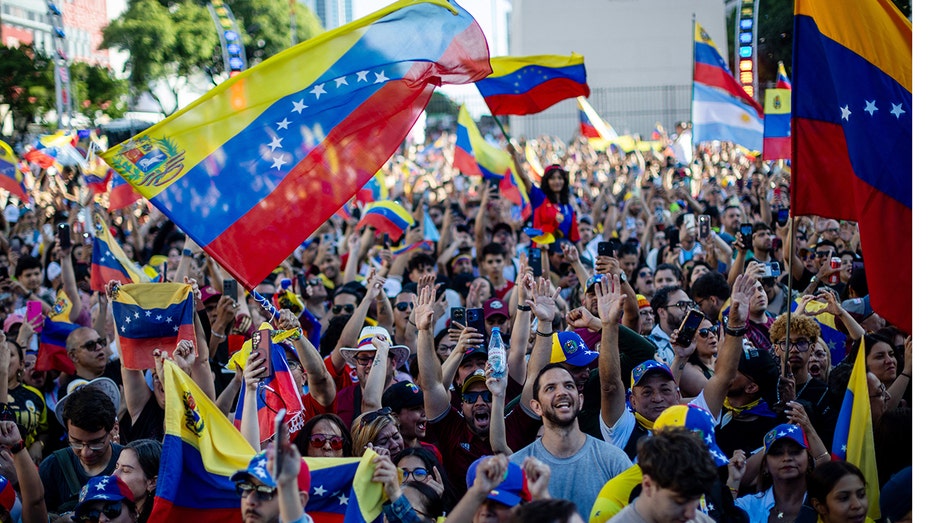
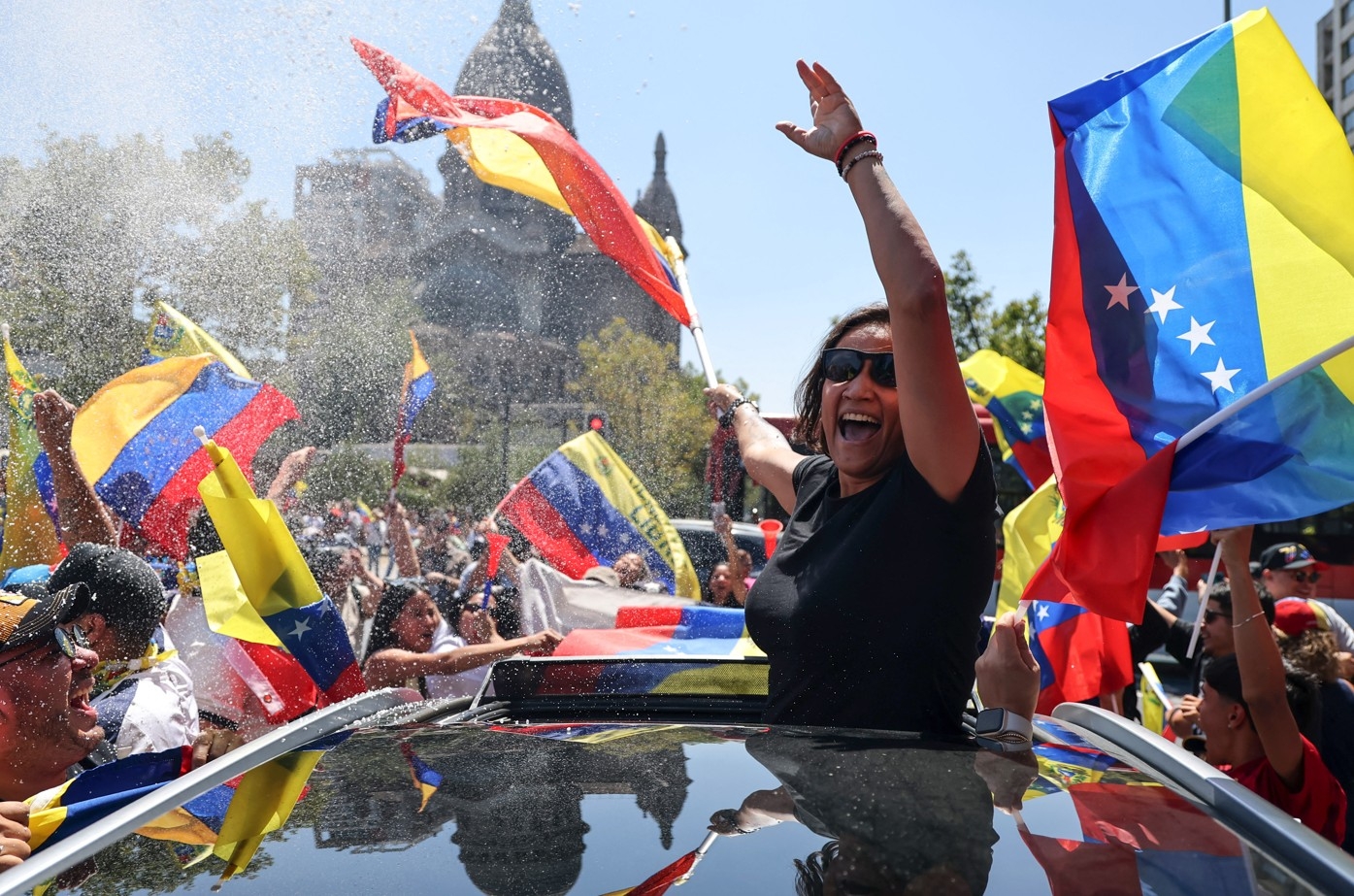
The nation’s immense suffering adds another layer of urgency. With a population of nearly 30 million, Venezuela faces widespread hunger, malnutrition, and tragically high child mortality rates. Allowing this humanitarian crisis to worsen is unthinkable. The world watches, demanding a path toward relief.
Underlying the political turmoil lies a resource of global significance: oil. Venezuela possesses the largest proven reserves in the world, dwarfing those of Canada, China, and Saudi Arabia. This wealth has attracted the attention – and investment – of powerful players like China and Russia, who have propped up Maduro’s regime in exchange for access to these vital resources.
China and Russia will not accept this shift in power quietly. Their interests are deeply intertwined with Venezuela’s oil reserves, and they will undoubtedly seek to protect their investments. The geopolitical implications are far-reaching and demand careful consideration.
More than 300 billion barrels of oil lie within Venezuela’s Orinoco Belt. Allowing this resource to fall into the hands of hostile forces is a risk the United States cannot afford to take. The future of Venezuela’s oil, and its influence on the global energy market, hangs in the balance.
Now, the echoes of Colin Powell’s warning resonate once more. Having “broken” the Maduro regime, the United States faces a critical juncture. The question isn’t just about removing a dictator, but about the immense responsibility of rebuilding a nation. For better or worse, the fate of Venezuela – and the consequences of its future – now rests, undeniably, with America.