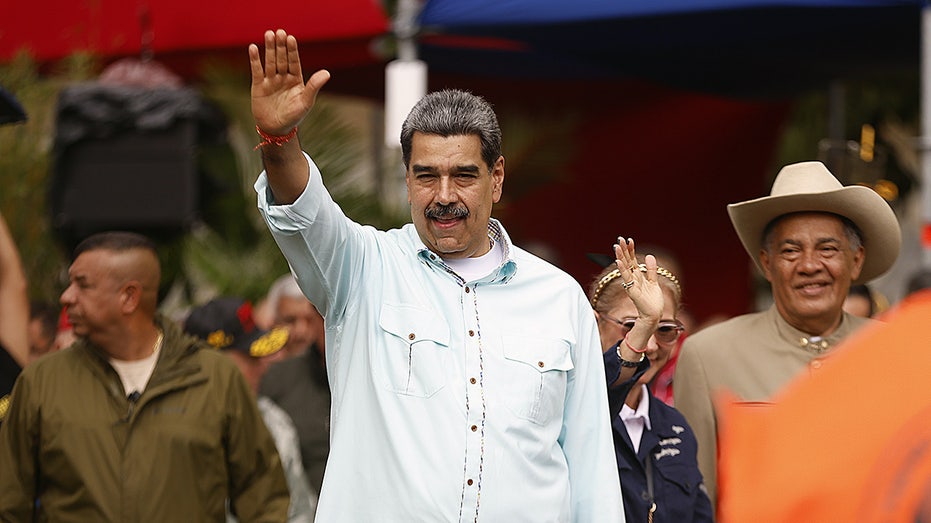
The world awoke to a stunning development: Nicolás Maduro, Venezuela’s long-standing leader, and his wife, Cilia Flores, were in U.S. custody. A swift military operation had extracted them from the country, leaving a nation reeling and a host of questions unanswered.
Immediately, speculation centered on betrayal. Maduro’s inner circle, a tightly guarded group of powerful figures, was under intense scrutiny. Diosdado Cabello, the Minister of Interior, Justice, and Peace, and Vladimir Padrino, head of the Armed Forces, were seen as potential kingmakers – or, perhaps, key players in Maduro’s downfall.
Both Cabello and Padrino issued strong condemnations of the U.S. action, decrying it as a criminal act of aggression. Yet, their words felt hollow, especially considering the remarkably swift and unopposed nature of the operation. The Venezuelan military, traditionally a formidable force, offered no significant resistance.
Padrino, in a fiery video statement, echoed the rhetoric of Hugo Chávez, Venezuela’s former president, painting a picture of foreign invaders intent on plundering the nation’s resources. He spoke of death, pain, and destruction, but his words couldn’t mask the reality of the situation.
For years, Maduro’s position had been precarious. A $50 million bounty hung over his head, domestic discontent simmered, and the 2024 election was widely dismissed as fraudulent. The signs of his impending removal had been visible for some time, yet the speed and precision of the operation shocked many.
Now, Maduro and Flores are reportedly being transported aboard the warship Iwo Jima, destined for New York and a potentially landmark trial. Charges related to weapons and drug trafficking await them, promising a legal battle that will captivate the world.
Jorge Jraissati, a Venezuelan economist, hailed the operation as a potential turning point. He described Maduro as a “cancer” on Venezuela and the region, and expressed hope for a new era of peace. He emphasized that a peaceful transition of power could have averted this outcome.
The ease with which the operation unfolded has fueled speculation about inside assistance. Jraissati believes the U.S. possessed exceptional intelligence, suggesting active cooperation from within Venezuela. This points to a network of individuals willing to risk everything for a change in leadership.
Delcy Rodriguez, the current Vice President and presumptive successor, publicly demanded proof of Maduro’s well-being, adding another layer of intrigue. Reports suggest she may have fled to Russia, though Moscow denies this claim. Her whereabouts remain a mystery.
Removing Maduro alone doesn’t guarantee a stable future. Cabello and Padrino, deeply entrenched in the Chavista power structure, are unlikely to willingly cede control, especially given the prospect of losing power in free and fair elections. Their next moves are critical.
Analysts are now focused on identifying those who facilitated Maduro’s capture, examining the possibility of complicity within the Venezuelan regime. The presence of a long-term CIA asset reporting on Maduro’s location suggests a sophisticated intelligence operation.
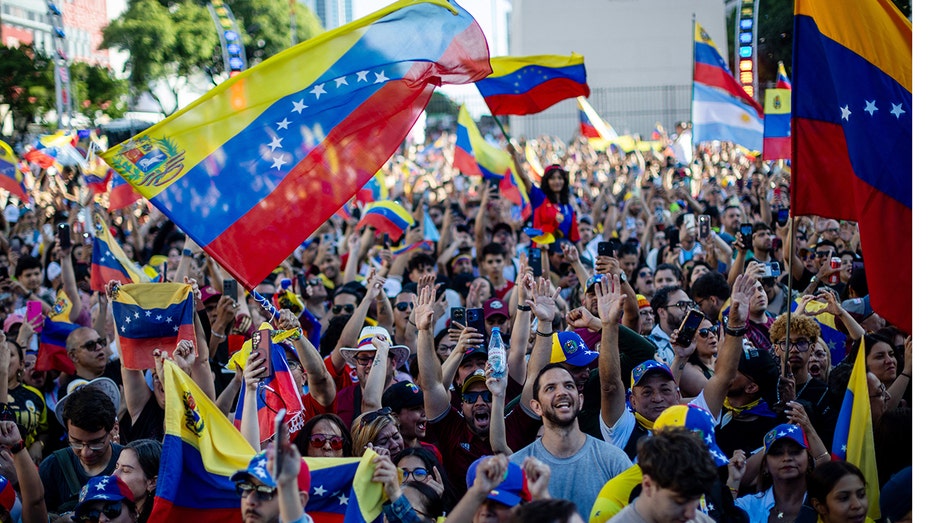
As uncertainty grips the nation, ordinary Venezuelans are bracing for the unknown, rushing to secure essential supplies of food and fuel. The potential for instability is high, and the future hangs in the balance.
A power struggle is inevitable, pitting Rodriguez against Maria Corina Machado, the recent Nobel Prize laureate. Machado is widely expected to win any legitimate election, but her current location is unknown, having left Norway after receiving her award.
One thing is certain: the Chavista movement will not relinquish power easily. Cabello, Padrino, and their loyalists may choose to fight, or they may seek refuge in countries like Cuba and Russia, traditional allies of the regime.