The phone call came just hours after the news went public: London Drugs, a cornerstone of Vancouver’s Woodward’s building, would close its doors for good. On the other end of the line was a representative from the Premier’s office, urgently asking if the decision could be reversed.
Clint Mahlman, President of London Drugs, delivered the stark reality. The closure wasn’t a matter of choice, but of necessity. Years of escalating safety concerns and crippling financial losses had left the company with no alternative. Protecting staff and customers in an increasingly volatile environment had become unsustainable.
The Woodward’s location wasn’t just another store; it represented a bold vision for revitalization. When it opened in 2009, alongside Nesters Market, it was hailed as the beginning of a new chapter for Vancouver’s Downtown Eastside. But that promise remained largely unfulfilled.
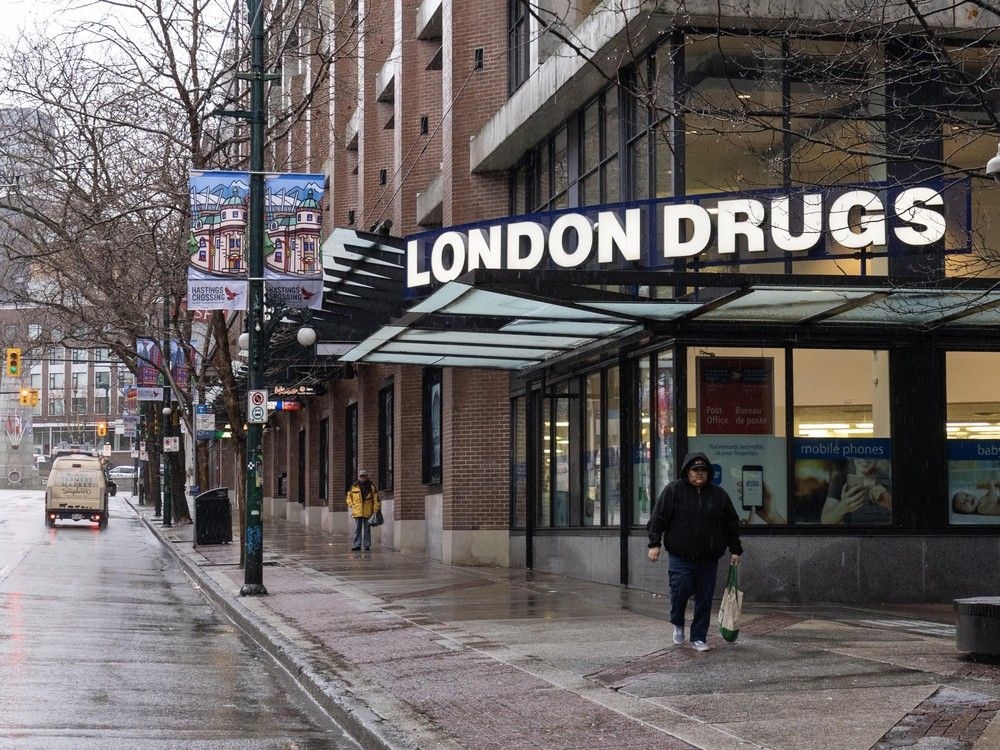
Crime became a relentless presence. Theft, vandalism, and violence steadily increased, eroding the sense of safety and driving away customers. Nesters Market reported a staggering 400 percent surge in violent incidents over the past two years alone. The initial optimism had faded, replaced by a grim struggle for survival.
Mahlman revealed the immense financial toll. “We’ve lost tens of millions of dollars,” he stated, emphasizing the company’s willingness to absorb the losses for as long as possible, driven by a commitment to the community. Ultimately, the mounting costs and the deteriorating environment proved insurmountable.
The closure sent shockwaves through the neighbourhood, sparking immediate debate and finger-pointing. It wasn’t simply a business decision; it was a symptom of deeper, systemic issues plaguing the area and, increasingly, other urban centres across British Columbia.
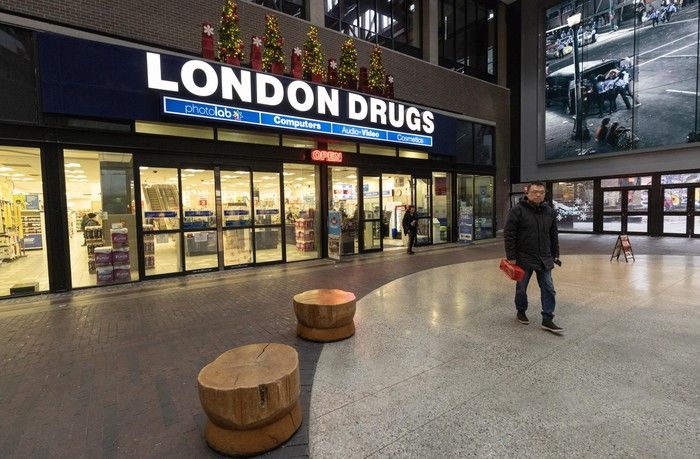
Mahlman warned that the challenges weren’t isolated to Vancouver. Similar struggles were unfolding in Victoria, Prince George, Nanaimo, and numerous other cities. He called for urgent collaboration between municipalities, provincial governments, and the federal government to address the root causes of the escalating crisis.
While acknowledging the efforts of the City of Vancouver and the Vancouver Police Department, Mahlman highlighted a critical flaw in the system: the revolving door of justice. Chronic offenders were repeatedly arrested, only to be released and continue their destructive behaviour, creating a cycle of chaos and fear.
The Premier’s office acknowledged the province’s efforts to address London Drugs’ concerns, citing increased police patrols as a positive step. However, they conceded that it wasn’t enough to prevent the closure, and affirmed ongoing initiatives to improve the community.
Vancouver’s Mayor expressed his disappointment, directing criticism towards the provincial government. He pointed to a lack of progress on crucial issues like mandatory care facilities and the disproportionate burden placed on the city to address the Downtown Eastside’s challenges.
The loss of London Drugs leaves a significant void in the neighbourhood, compounding the impact of previous closures like Army & Navy. Concerns are now focused on the future of Nesters Market, the last remaining anchor tenant from the original Woodward’s redevelopment.
Nesters Market acknowledged the difficulties of operating in the area, reporting a dramatic increase in violence directed towards its staff and customers. While committed to remaining open, the company stressed the need for stronger, coordinated action from all levels of government to ensure the safety of its employees and shoppers.
The situation underscores a critical need for a holistic approach that extends beyond policing. Economic development, particularly in low-income neighbourhoods, is essential to fostering a sense of stability and opportunity. Simply policing the problem won’t lead to lasting prosperity.
The closure of London Drugs at Woodward’s serves as a stark warning. Without decisive action and genuine collaboration, more businesses may follow, potentially transforming vibrant downtown cores into shadows of their former selves.