A quiet east London business district is facing a harsh reality after a devastating cyberattack drained over $100,000 from its accounts. The attack, a sophisticated phishing scam mirroring those seen at major banks, left the Hamilton Road Business Improvement Area scrambling to recover and forced difficult choices about its future.
The breach, which occurred last year, granted unauthorized access to the organization’s bank account, resulting in a loss that officials confirm is unrecoverable. This financial blow has triggered a significant overhaul of the district’s 2026 budget, demanding a painful reduction in services and a renewed focus on security.
Business Improvement Areas, or BIAs, are vital city-supported groups dedicated to fostering thriving commercial areas through beautification and economic growth. Funded by levies paid through property taxes by businesses within their boundaries, they rely on careful financial management to deliver essential services.
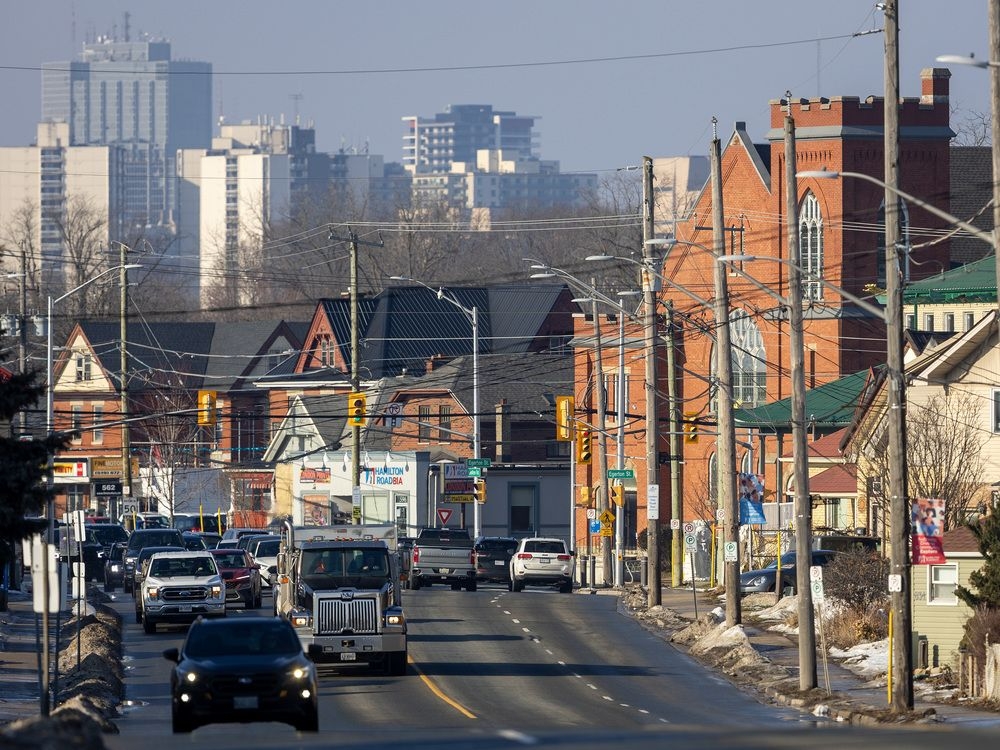
The impact of the cyberattack is now acutely felt as the district prepares to operate with a dramatically reduced budget – a decrease of over 17 percent, or $53,000. This necessitates a shift from full-time staff to a single part-time administrator, a move that underscores the severity of the financial strain.
The cuts extend beyond staffing. Beloved community events like Carnevale, the Friends of the Tree Trunk Tour, and the Hambucks Dollar Incentive program have been cancelled. Plans for new banners, planters, and hanging baskets – the visual hallmarks of a vibrant district – have been shelved.
However, the district isn’t simply scaling back; it’s strategically reallocating resources. Savings generated from the reduced operations will be channeled into bolstering security measures, maintaining public art, and implementing programs designed to attract new businesses.

Local councillor Hadleigh McAlister explained the difficult trade-offs. While acknowledging the loss of popular events, he emphasized that the core priorities of the business community – cleanliness and garbage removal – would be maintained. “That was a priority…was more important than looking up and seeing the flowers,” he stated.
A key initiative is a new incentive program aimed at filling vacant storefronts. This program will offer initial rent support and funding for façade upgrades, hoping to revitalize the district’s commercial landscape. There is hope that cancelled programs can be reinstated once financial stability is restored.
Further complicating matters, a long-planned expansion of the district’s boundaries is currently on hold. The upcoming election and anticipated changes to ward boundaries have created uncertainty, making a strategic pause the most prudent course of action.
The Hamilton Road BIA’s experience serves as a stark reminder of the growing threat of cybercrime and the critical need for robust security measures, even for community-focused organizations. It’s a story of resilience, adaptation, and a determined effort to rebuild and thrive in the face of adversity.