A chilling echo of the Cold War has resurfaced in the Caribbean, as a direct confrontation brews between the United States and Cuba. The catalyst: a dramatic shift in power in Venezuela and a ruthless cutting off of vital resources to the island nation.
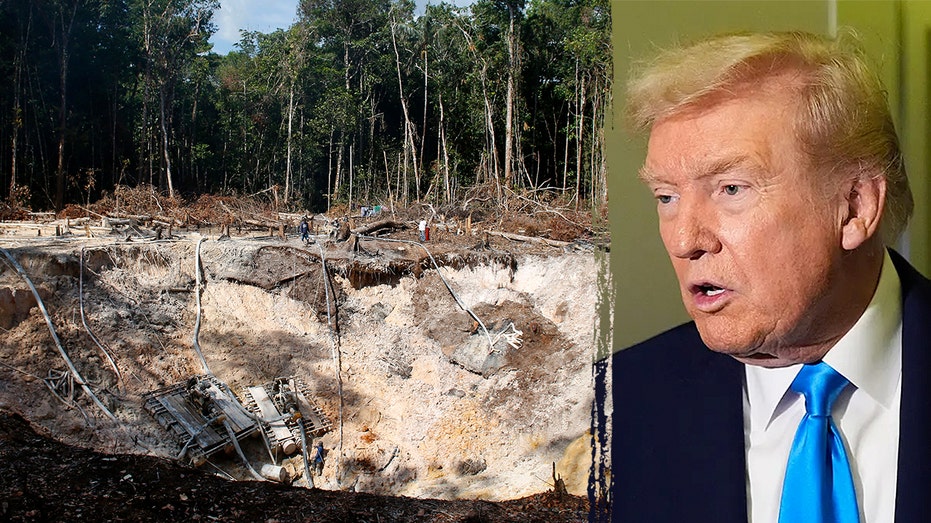
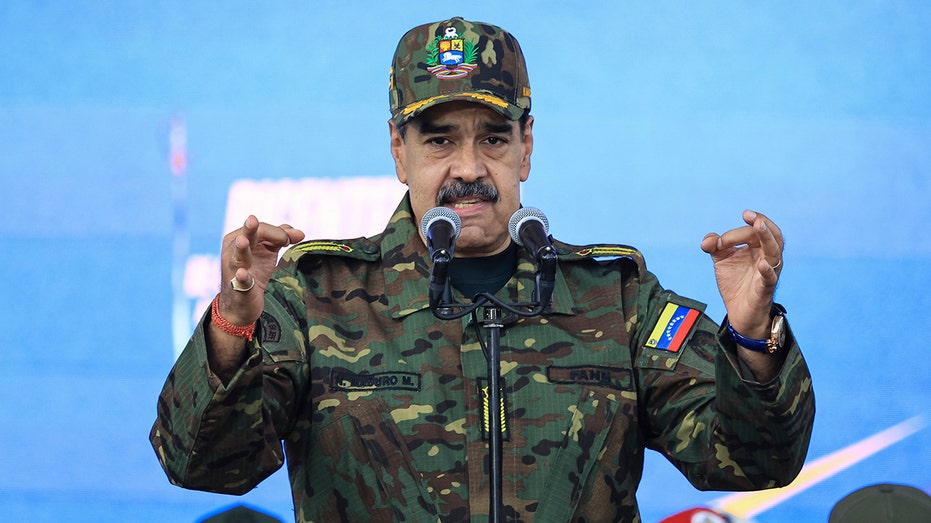
Former President Trump issued a stark ultimatum to Cuba – “make a deal,” he demanded – after severing their access to Venezuelan oil. This move follows a recent operation that led to the capture of Nicolás Maduro, a long-time ally of Cuba, and throws the island’s already fragile economy into deeper turmoil.
Cuba has long relied on Venezuela’s oil lifeline, trading security and political support for much-needed energy resources. Now, with those shipments halted as US forces assert control over Venezuela’s oil production and distribution, the island faces a grim reality of escalating shortages and widespread hardship.

Daily life in Cuba is already marked by frequent blackouts, long lines at supermarkets, and a desperate scramble for fuel – the worst economic crisis in decades. Trump, however, remained unyielding, declaring “THERE WILL BE NO MORE OIL OR MONEY GOING TO CUBA – ZERO!”
The response from Havana was swift and defiant. President Miguel Díaz-Canel vowed to defend Cuba “until the last drop of blood,” asserting the nation’s sovereignty and condemning the United States’ decades-long aggression. He accused Washington of prioritizing profit over human lives.
The Cuban government reported the loss of 32 military personnel during the operation in Caracas, revealing the extent of their security commitment to the Maduro regime. These personnel were part of a standing agreement designed to bolster Venezuela’s stability.

Trump dismissed the need for Cuban protection, boasting that Venezuela now has “the most powerful military in the World” – the United States – to safeguard its interests. He even playfully suggested that his Secretary of State, Marco Rubio, might one day lead Cuba.
Díaz-Canel fiercely defended Cuba’s political model, accusing critics of being enraged by the nation’s independent path. He also challenged those who blame the Revolution for the economic hardships, pointing to the crippling US embargo as the primary cause.
Trump predicted a swift and total collapse of the Cuban economy without Venezuelan support, stating bluntly, “It’s going down. It’s going down for the count.” This assessment underscores the high stakes of the current standoff.

The future of Venezuela itself hinges on its vast oil reserves – estimated at over 300 billion barrels – which previously flowed to China, Europe, and even the United States. Trump envisions American oil companies investing billions to revitalize Venezuela’s infrastructure and capitalize on its resources.
Secretary of State Rubio clarified the US strategy, stating the goal is to implement policies beneficial to the United States, while also aiming to improve the lives of the Venezuelan people. The implications of this new era of US influence are profound and far-reaching.
The situation remains volatile, a dangerous game of brinkmanship unfolding in the shadow of a history marked by conflict and mistrust. The fate of both Cuba and Venezuela hangs in the balance, dependent on the choices made in the coming days.