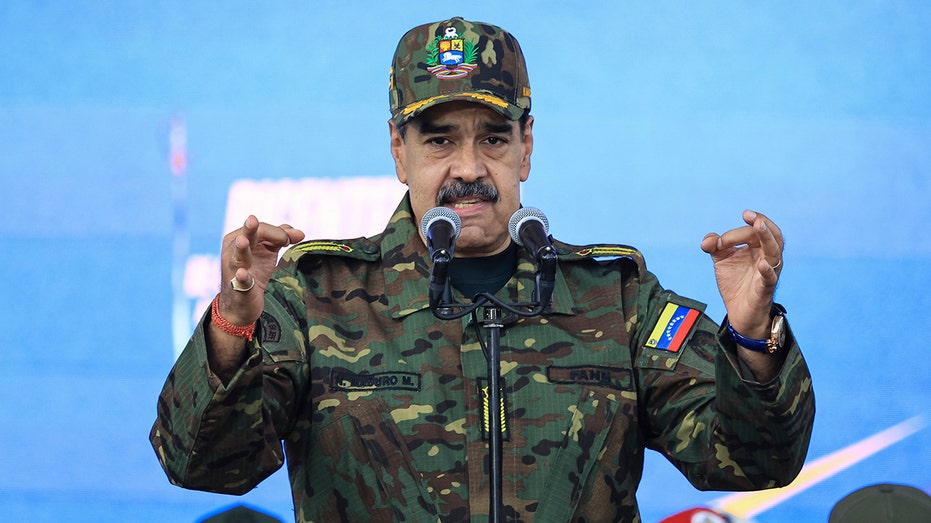
The potential for accessing Venezuela’s vast mineral wealth, recently highlighted following political shifts, carries a deeply unsettling risk. Experts warn that pursuing these resources could inadvertently entangle the United States in a web of violent criminal activity and human rights abuses.
Following reports of a change in leadership, officials openly discussed the nation’s potential. The country isn’t just rich in oil; it holds substantial reserves of steel, critical minerals, and rare earth elements – resources once thriving but now largely neglected.
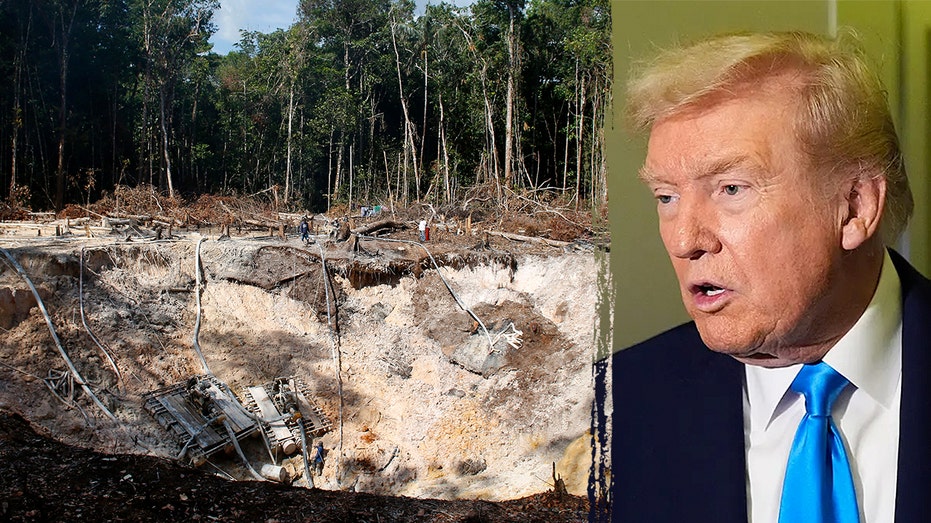
However, the reality on the ground is far from a simple economic opportunity. The mining sector is already heavily controlled by dangerous transnational crime syndicates, groups deeply implicated in horrific abuses against people and the environment.
These aren’t isolated incidents. Reports detail a brutal landscape where forced labor is commonplace, and punishments for even minor offenses are shockingly severe – including documented cases of hands being severed for theft.
The situation is further complicated by the involvement of multiple actors. Colombian guerrilla organizations, often in collusion with corrupt Venezuelan security forces, exert significant control over the extraction of gold, tungsten, tantalum, and rare earth elements.
Much of this illicitly mined material ultimately finds its way to China, creating a complex geopolitical dynamic. The mining districts themselves operate under a brutal form of criminal governance, where armed groups dictate who can enter, leave, and conduct business.
These groups impose their own harsh “justice,” meting out punishments ranging from expulsion and beatings to torture and summary execution. Sexual exploitation is widespread, and crimes are committed not only by non-state actors but also by elements within the Venezuelan state forces themselves.
The Orinoco Mining Arc, a massive 111,843-square-kilometer zone established in 2016, has become synonymous with illegal mining and corruption. It’s a region where the lines between legitimate authority and criminal enterprise have blurred completely.
Sanctions imposed on Venezuelan gold exports in 2019 revealed that at least 86% of the country’s gold production was illegal, controlled by criminal gangs. This underscores the scale of the problem and the difficulty of ensuring ethical sourcing.
While the pursuit of critical minerals may be driven, in part, by a desire to limit China’s access to these vital resources, experts caution that the potential costs – in terms of human suffering and entanglement with criminal networks – could far outweigh the benefits.
The looming peak in gold prices around 2026 adds another layer of urgency, making access to these resources even more appealing. However, without robust safeguards, transparency, and security measures, any attempt to tap Venezuela’s mineral wealth risks fueling further violence and instability.
The core criminal panorama of Venezuela’s mining sector is a dangerous alliance of guerrilla groups, local organized crime syndicates, and even elements within the state apparatus. Navigating this landscape will require far more than just economic ambition.