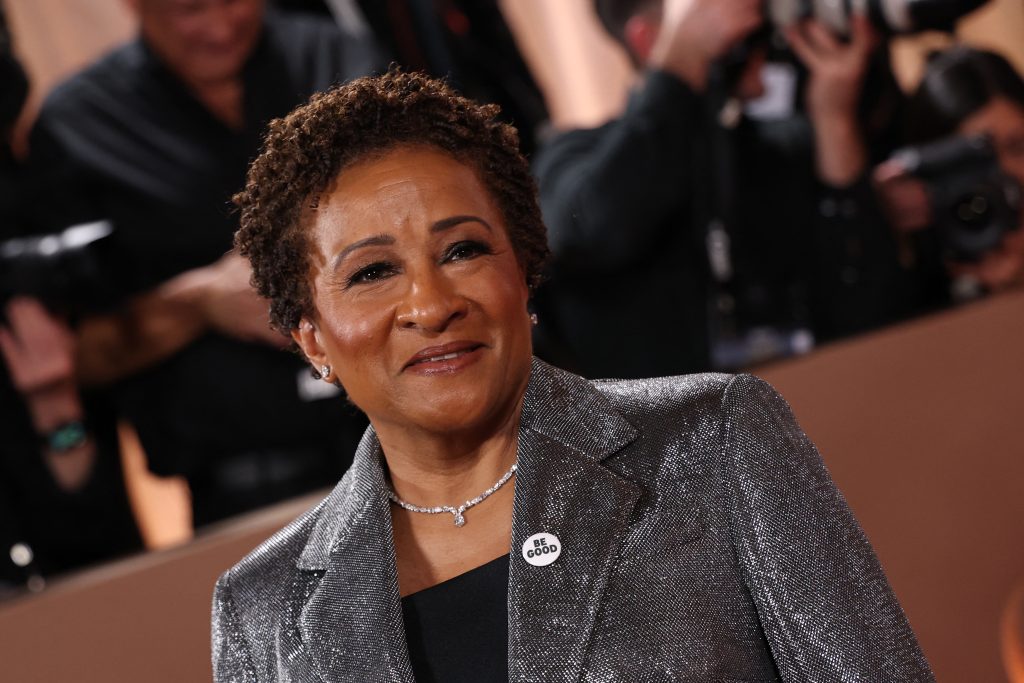
Nikki Glaser commanded the Golden Globes stage, opening with a daring edge that gradually softened as her monologue unfolded. Her initial jabs were pointed, playfully suggesting the presence of individuals connected to controversial, heavily redacted files within the star-studded room.
The comedian didn’t shy away from current events, turning her attention to recent turmoil at CBS News. She quipped that the network deserved an award for its “editing,” a pointed reference to a shelved critical report on the Trump administration’s immigration policies, branding it “America’s newest place to see BS news.”
Glaser had considered addressing other complex issues, like the situation in Venezuela, but ultimately decided the rapidly changing news cycle might render the jokes stale. She also refrained from mentioning ICE, sensing the chaotic energy of the live event demanded a different approach.
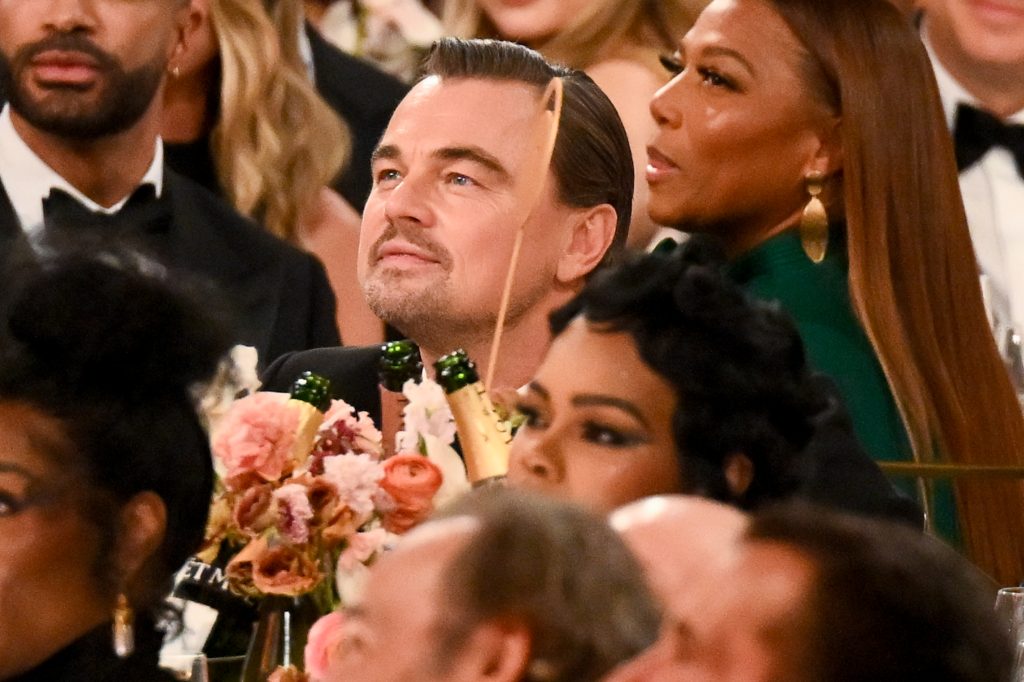
Finding material for universally beloved figures proved a challenge. Glaser confessed struggling to write jokes about Julia Roberts, as her test audiences consistently rejected any attempts at humor directed towards the actress. She cleverly sidestepped the issue, joking about her own proximity to Roberts, drawing a hearty laugh from the crowd.
This wasn’t Glaser’s first time at the helm of the Golden Globes. Her return was a direct result of the overwhelmingly positive reception she received last year, a reputation solidified by her famously fearless roast of Tom Brady for Netflix. While still possessing a sharp wit, her approach felt more measured this time around.
No one was safe from her observations, including Leonardo DiCaprio. Glaser playfully poked fun at his penchant for dating younger women, acknowledging the obviousness of the joke but defending it with the observation that little else is publicly known about the actor’s personal life.
She extended her comedic reach to fellow nominee Sean Penn, imagining a future where he transforms into a “sexy leather handbag,” a visual that resonated with the audience. Timothée Chalamet also received a playful jab, with Glaser highlighting his physical transformation for a role requiring him to gain significant muscle for a ping pong movie.
As her monologue progressed, Glaser’s humor became increasingly economical, maximizing her targets with each line. She rebranded “Wicked: For Good” as “Wicked: For Money,” a succinct commentary on Hollywood’s commercial interests.
The finale was a sprawling, inclusive joke that seemed to encompass half the room. She encouraged filmmakers like Guillermo del Toro and James Cameron to continue creating their signature “weird monster sex movies,” and urged Emma Stone and Yorgos Lanthimos to push their creative boundaries even further.
Glaser’s closing remarks were a whirlwind of playful observations, including a humorous note about Paul Mescal and Jacob Elordi being indistinguishable to some fans, particularly one very important mother in the audience.