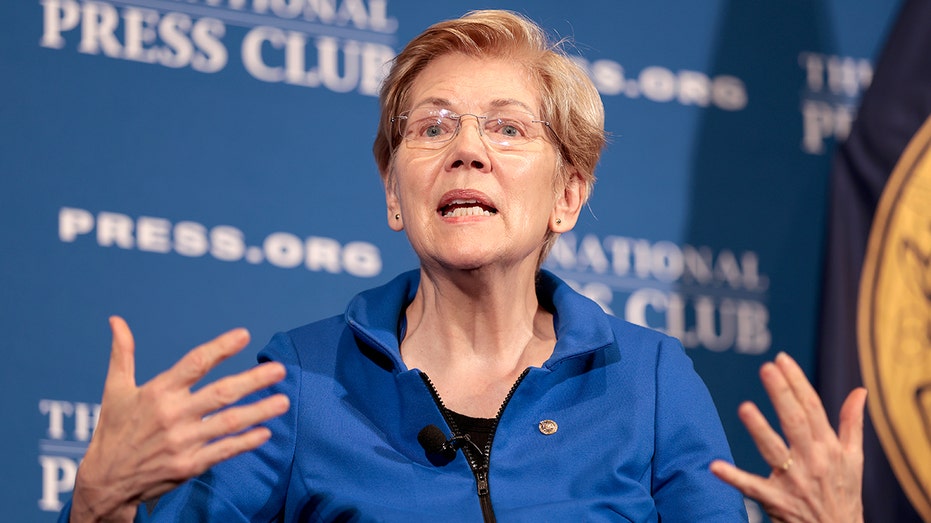
A surprising phone call unfolded Monday between Senator Elizabeth Warren and former President Donald Trump, sparked by Warren’s pointed critique of his policies and leadership. The senator had delivered a forceful speech, directly challenging Trump’s record on economic burdens and governmental conduct, outlining a path for Democratic resistance.
Warren’s address at the National Press Club didn’t shy away from accusations – she asserted Trump had consistently increased costs for families, fostered instability, and weaponized power against his detractors. She detailed her concerns, emphasizing a pattern of broken promises regarding economic relief for everyday Americans.
The call itself came shortly after the speech concluded. Warren stated she used the opportunity to press Trump on specific legislative solutions, urging him to actively support a cap on credit card interest rates. She also advocated for bipartisan cooperation on housing affordability, specifically mentioning the ROAD to Housing Act.
The White House confirmed the conversation, characterizing it as “productive.” Officials stated the discussion centered on lowering credit card rates and increasing access to affordable housing – issues impacting millions of Americans.
Interestingly, Trump had already publicly signaled his interest in addressing credit card interest rates just days prior, posting on his social media platform a call to cap rates at 10% starting January 20, 2026. The proposed date notably coincides with the anniversary of his potential return to office.
This unexpected dialogue raises questions about potential areas of compromise between the two political figures, despite their often-contentious relationship. The focus on tangible issues like credit card debt and housing costs suggests a shared recognition of the economic pressures facing many voters.
Whether this single phone call will translate into concrete legislative action remains to be seen, but it represents a rare moment of direct engagement between two prominent figures known for their starkly contrasting ideologies. The conversation offers a glimpse into the possibility of finding common ground on issues that transcend partisan divides.