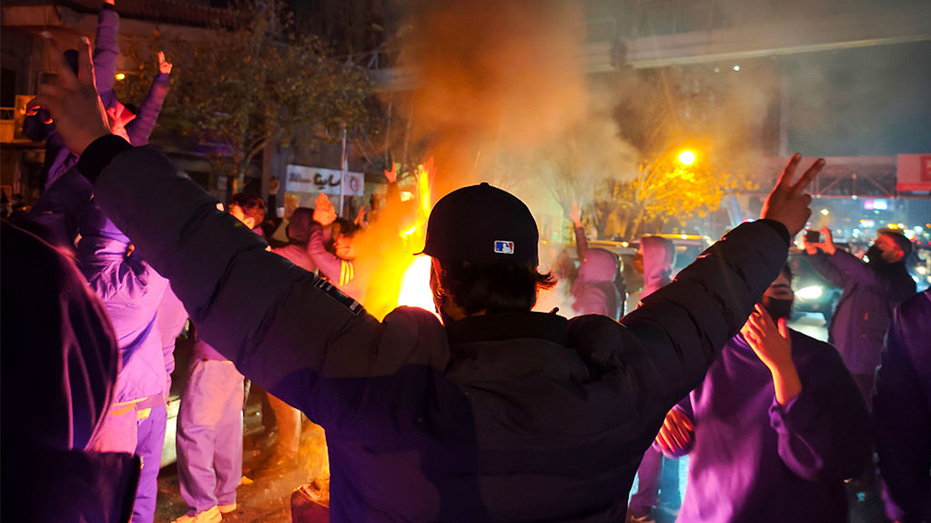
A fragile silence descended on Tehran as Iranians cautiously made their first phone calls to the outside world in days. The connection, a lifeline severed during a brutal crackdown on nationwide protests, offered a chilling glimpse of life under siege. The streets, witnesses reported, were eerily quiet, marked by the scars of recent conflict – burned-out buildings, shattered ATMs, and a pervasive sense of fear.
The protests, activists claim, have claimed at least 646 lives, a staggering number that hangs heavy in the air. Shopkeeper Mahmoud, speaking in hushed tones, voiced the anxieties swirling through the capital. He spoke of customers discussing President Trump’s threats, wondering if a military strike was imminent. “I don’t believe any foreign country truly cares about what’s best for Iranians,” he confessed, his voice laced with resignation.
Despite the risks, a flicker of defiance remained. Reza, a taxi driver, described a quiet determination among the younger generation. “People are hopeless, but they’re talking about continuing the protests,” he said, a testament to the enduring spirit of resistance. The desire for change, though suppressed, hadn’t been extinguished.
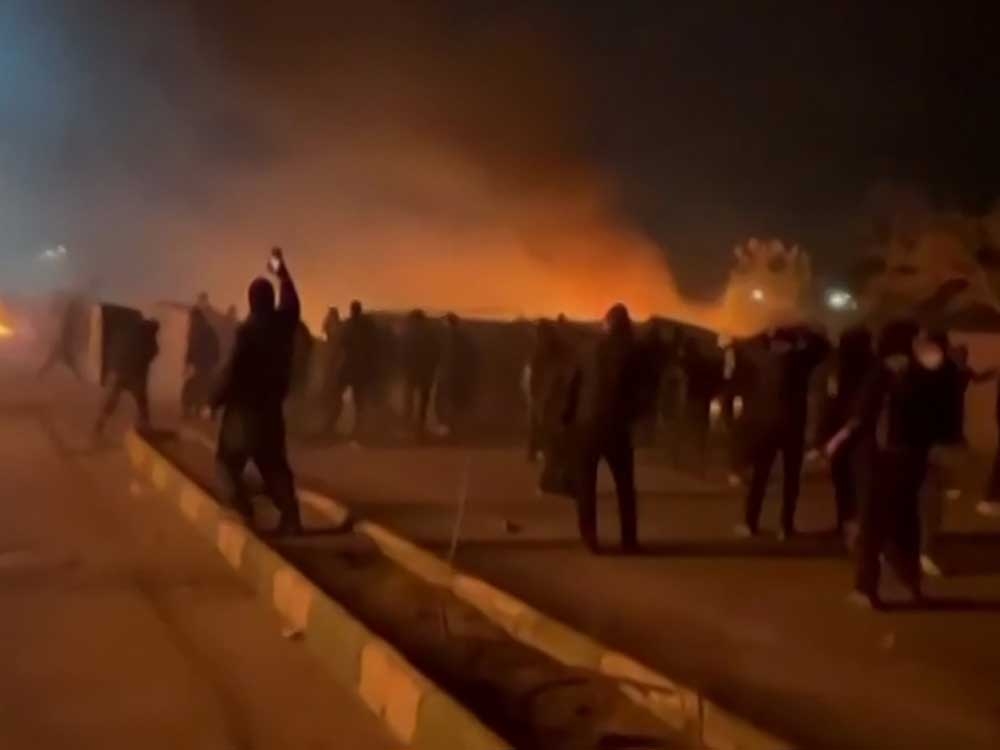
Communication with the world remained severely restricted. While some in Tehran managed to reach journalists, calls from outside Iran were blocked. Internet access was limited to government-approved websites, effectively isolating the country from the global flow of information. This digital blackout amplified the fear and uncertainty gripping the nation.
A heavy security presence dominated the streets. Anti-riot police, clad in helmets and body armor, patrolled major intersections, armed with batons, shields, tear gas, and shotguns. Alongside them were members of the Revolutionary Guard’s Basij force, also heavily armed, and plainclothes security officials observing the population.
The economic impact of the unrest was becoming apparent. Banks struggled to function without internet access, hindering financial transactions. While shops were reopening, foot traffic was minimal, and reports surfaced of security forces compelling shopkeepers to unlock their doors, regardless of their willingness.
Authorities were reportedly searching for Starlink terminals, a desperate attempt to control the flow of information. Despite the illegality of satellite dishes, many Iranians had them installed, and officials had largely turned a blind eye – until now. The crackdown extended to any means of circumventing the government’s control.
Ordinary citizens were challenging the authority of plainclothes security officials, a bold act of defiance in the face of potential reprisal. Meanwhile, state television announced free mortuary services, a grim acknowledgement of the mounting death toll and a possible attempt to address concerns about exorbitant fees for the release of bodies.
Supreme Leader Ayatollah Ali Khamenei, in a televised address, praised pro-government demonstrations, dismissing the protests as the work of “traitorous mercenaries” and warning against foreign interference. The rhetoric was stark, framing the unrest as a battle against external enemies.
State media broadcast chants of “Death to America!” and “Death to Israel!” from the pro-government rallies, further escalating tensions. The attorney general issued a chilling warning: anyone participating in protests would be considered an “enemy of God,” a charge carrying the death penalty.
Despite the escalating rhetoric, communication channels between Iran and the United States remained open, according to Iranian Foreign Minister Abbas Araghchi. However, he insisted that Washington’s proposals and threats were unacceptable. The White House, however, claimed a divergence between Iran’s public statements and private messaging.
President Trump announced new tariffs on countries doing business with Iran, a move intended to exert economic pressure. He suggested a willingness to negotiate but also reiterated his readiness to use military force if necessary, a warning that resonated deeply within Iran.
Iran, through its parliamentary speaker, warned that the U.S. military and Israel would be “legitimate targets” if Washington intervened militarily. The situation was a dangerous escalation, fraught with the potential for miscalculation and wider conflict.
Reports from the U.S.-based Human Rights Activists News Agency indicated over 10,700 arrests and a death toll exceeding 646, with a breakdown of 512 protesters and 134 security force members. However, verifying these numbers independently proved impossible due to the internet blackout and the government’s lack of transparency.