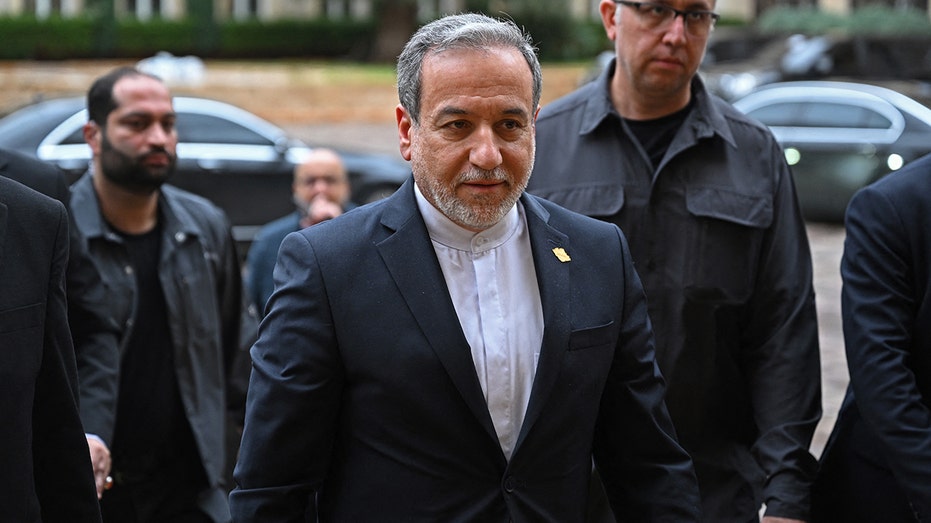
The Iranian Foreign Minister vehemently denied reports of widespread bloodshed during recent protests, instead painting a picture of a nation under attack from a foreign power. In a televised interview, Abbas Araghchi directly challenged estimates suggesting thousands had perished in the unrest, claiming the true number was in the hundreds.
Araghchi described a scenario far removed from peaceful demonstration, alleging that “terrorist elements” infiltrated the protests, launching coordinated attacks on security forces. He detailed horrific acts – police officers burned alive, beheaded, and targeted by what he characterized as Daesh-style operations – transforming the situation into a violent confrontation.
The minister asserted these actions weren’t spontaneous, but deliberately orchestrated to provoke international intervention. According to Araghchi, the goal was to inflate the death toll, specifically to entice a response from the United States, referencing previous statements from President Trump regarding potential intervention in the event of mass casualties.
He directly accused Israel of masterminding this alleged plot, claiming the intent was to draw the U.S. into a conflict by creating a crisis. The narrative presented was one of Iran defending itself against external aggression, not suppressing its own citizens.
The protests themselves erupted from a backdrop of severe economic hardship, a collapsing economy pushing many Iranians to the streets in desperation. This economic crisis fueled widespread discontent, creating the conditions for unrest to take hold.
However, this account sharply contrasts with eyewitness testimonies emerging from Iran. Reports detail government forces opening fire on unarmed protesters, with some accounts specifically mentioning the use of snipers targeting civilians. These accounts offer a drastically different perspective on the events unfolding within the country.
Araghchi also addressed concerns about potential executions of protesters, firmly denying any such plans. He attempted to minimize the scale of the unrest, asserting that “calm” had been restored and that the government was “in full control” of the situation.
Despite the gravity of the situation, the Foreign Minister expressed hope for de-escalation, warning that further escalation could have “disastrous” consequences for all involved. His message conveyed a desire to avoid a wider conflict, while simultaneously defending his nation’s actions.