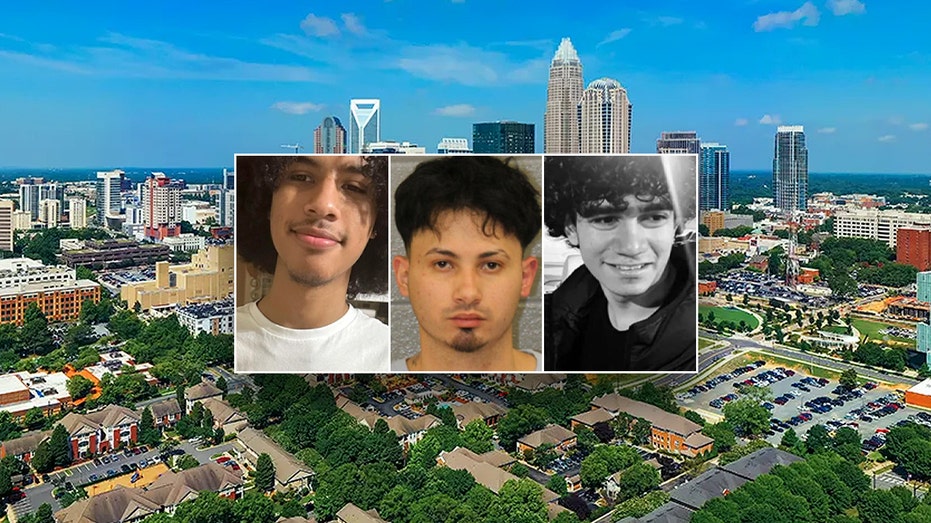
A chilling wave of grief and anger has swept through Charlotte, North Carolina, following the brutal murders of two young men. Bravlio Galeano Ayala, just sixteen, and Samir Canales Molina, eighteen, had their futures stolen in a senseless act of violence that has ignited a fierce debate over immigration policies.
The suspect, Aristides Eli Orellana-Ramirez, a citizen of El Salvador, now faces charges in connection with their deaths. Federal officials are adamant: this tragedy was preventable, a direct consequence of policies that hinder immigration enforcement and allow dangerous individuals to remain free.
The night of December 20th, 2025, unfolded in horror. Gunfire shattered the quiet of southwest Charlotte around 3:30 a.m., setting in motion a desperate search that would end in heartbreak. Both teens were rushed to a local hospital, but their injuries proved fatal.
The investigation revealed a particularly disturbing detail. The victims’ bodies were discovered over six miles apart, suggesting a harrowing struggle for survival. Detectives believe they were initially shot together, then desperately sought help, their journey tragically cut short.
Federal authorities confirm Orellana-Ramirez entered the United States illegally, bypassing official inspection points. His presence in the country, they argue, represents a failure of the system, a breach that allowed a potential threat to slip through the cracks.
This case is not isolated. The Department of Homeland Security reports a disturbing trend across North Carolina, where local authorities routinely disregard ICE detainers – requests to hold individuals for potential deportation. Nearly 1,400 such requests were ignored, releasing known criminals back into communities.
Charlotte-Mecklenburg officials have publicly pledged to resist federal immigration enforcement, prioritizing support for the migrant community. This stance, however, has drawn sharp criticism from federal officials who see it as a dangerous obstruction of justice.
In response, a targeted operation, dubbed “Charlotte’s Web,” was launched, deploying increased federal resources to Mecklenburg County and surrounding areas. The aim: to identify and remove high-threat individuals with violent criminal histories who are living in the country illegally.
The deaths of Bravlio and Samir have become a focal point in the national conversation surrounding sanctuary policies. The question now is whether prioritizing local protections outweighs the potential risks to public safety, and whether these policies inadvertently enable tragedies like this one.
The grief of families and the outrage of a community demand answers. As the investigation continues, the case serves as a stark reminder of the complex and often devastating consequences of immigration policy decisions.