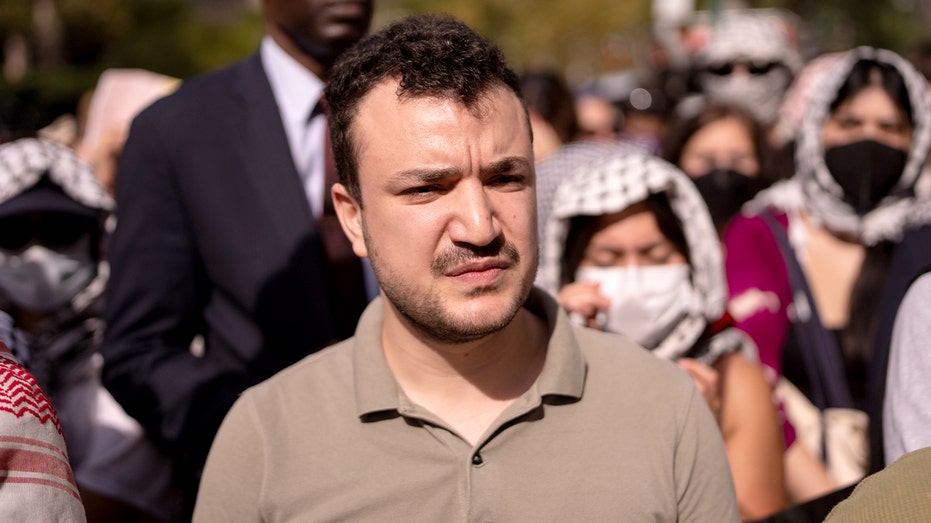
A contentious legal battle reached a turning point as a federal appeals court sided with the previous administration regarding the case of Mahmoud Khalil, an activist with outspoken views on Israel. The ruling effectively overturned a lower court’s order that had secured Khalil’s release from government detention, igniting a new wave of debate surrounding immigration law and executive authority.
The 3rd U.S. Circuit Court of Appeals, in a 2-1 decision, determined that the New Jersey district judge who initially ordered Khalil’s release lacked the proper legal authority to intervene in the deportation proceedings. The core of the dispute centered on “subject-matter jurisdiction” – whether the lower court even had the right to halt the government’s efforts to remove Khalil from the country.
Khalil’s arrest in early March, at his New York City apartment by Homeland Security Investigations agents, stemmed from allegations of misrepresentation when obtaining his student visa. Officials asserted he fraudulently concealed pertinent information about his background during the application process, a claim that fueled the government’s determination to deport him.
A statement from a former White House spokesperson emphasized the principle at stake: individuals who intentionally deceive the U.S. government to gain entry should be held accountable. The administration maintained its lawful right to protect national security and uphold the integrity of the immigration system.
The appeals court judges, appointed by Presidents George W. Bush and Donald Trump, acknowledged the initial jurisdiction of the district court but ultimately concluded it lacked the authority to interfere with the ongoing removal proceedings. They pointed to established legal channels within the Immigration and Nationality Act where Khalil could present his case.
The court’s decision wasn’t a complete victory for the government, however. The American Civil Liberties Union noted the ruling wasn’t immediately effective, and the previous administration couldn’t immediately re-detain Khalil while he pursued further legal review.
Khalil himself expressed disappointment but remained defiant. He vowed to continue fighting through every available legal avenue, reaffirming his commitment to the Palestinian cause and the pursuit of justice, even in the face of potential re-detention.
This case represents a significant win for those advocating for stricter immigration enforcement. Documents revealed concerns from a Secretary of State regarding Khalil’s potential to negatively impact foreign policy, specifically citing his involvement in protests deemed antisemitic and disruptive to Jewish students on college campuses.
The Secretary of State’s memo highlighted the belief that Khalil’s presence undermined U.S. efforts to combat antisemitism globally and protect Jewish students from harassment and violence. These concerns were central to the argument that his continued presence in the United States was detrimental to U.S. foreign policy interests.
The legal battle underscores the complex intersection of immigration law, national security, and freedom of speech. It raises critical questions about the balance between protecting U.S. interests and upholding the rights of individuals, even those with controversial political views.