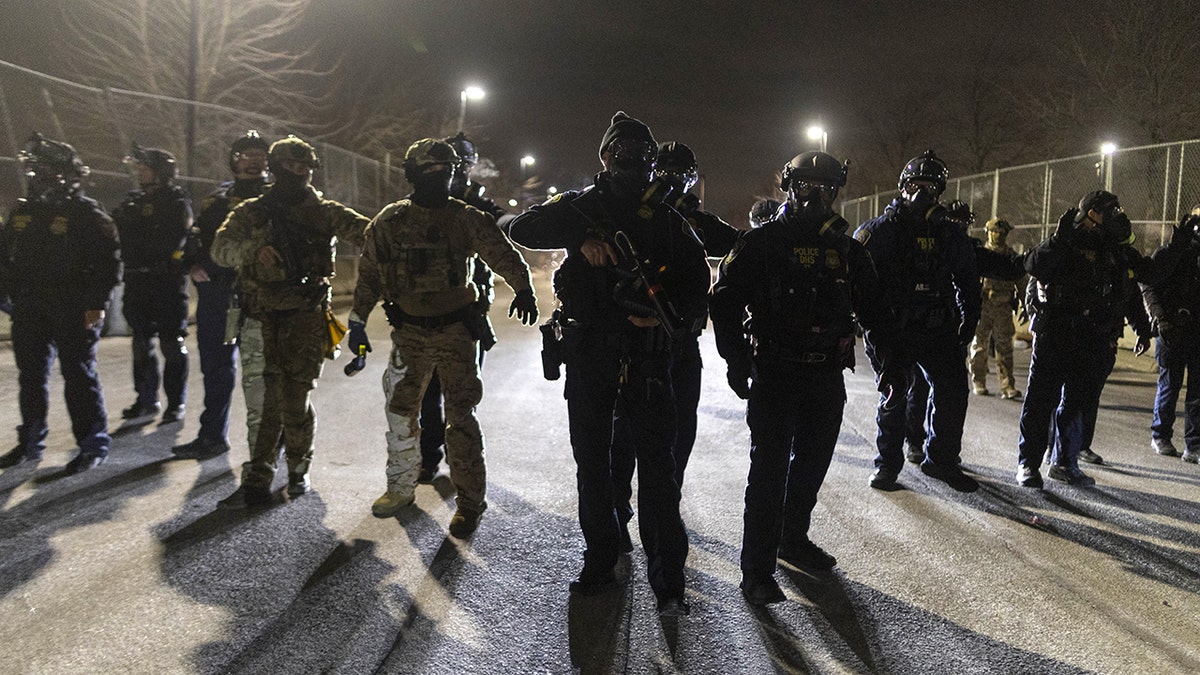
The question of long-term residents without legal status demands a shift from enforcement through aggressive policing to reasoned political solutions. The unrest witnessed in cities like Minneapolis reveals a deep-seated unease with the current approach, a palpable tension simmering beneath the surface of everyday life.
However, escalating the conflict with inflammatory rhetoric serves only to deepen the divide. Accusations leveled against federal officers – comparisons to historical regimes of oppression – are not just morally reprehensible, but actively incite violence and endanger lives.
The situation in Minnesota is further complicated by a lack of cooperation from local officials. Refusal to share crucial information or provide basic support, like crowd control, transforms routine operations into chaotic and potentially dangerous confrontations.
While acknowledging the complexities of enforcement, adherence to established protocol is paramount. Agents must prioritize safety, avoiding situations like standing in the path of moving vehicles, and minimizing the risk of escalation.
The right to peaceful protest is a cornerstone of a free society, but direct interference with law enforcement duties crosses a dangerous line. Obstructing vehicles or inserting oneself into volatile situations invites tragedy and undermines the principles of lawful assembly.
A fundamental change in tone is urgently needed. The current climate of animosity, fueled by demonization and personal attacks, is unsustainable and destructive to the fabric of democratic discourse.
Genuine progress requires a willingness to engage in vigorous, yet respectful, debate. Honest conversation, focused on finding common ground, is the only path forward, replacing vitriol with understanding and seeking solutions instead of assigning blame.
The present situation in Minnesota is simply untenable. A swift and decisive shift towards constructive dialogue and collaborative problem-solving is not merely desirable, but essential for restoring order and fostering a more just and equitable society.